Browsing Tag

neurology

Neurology & Neurosurgery

Zebrafish model shows potential XMEA treatments

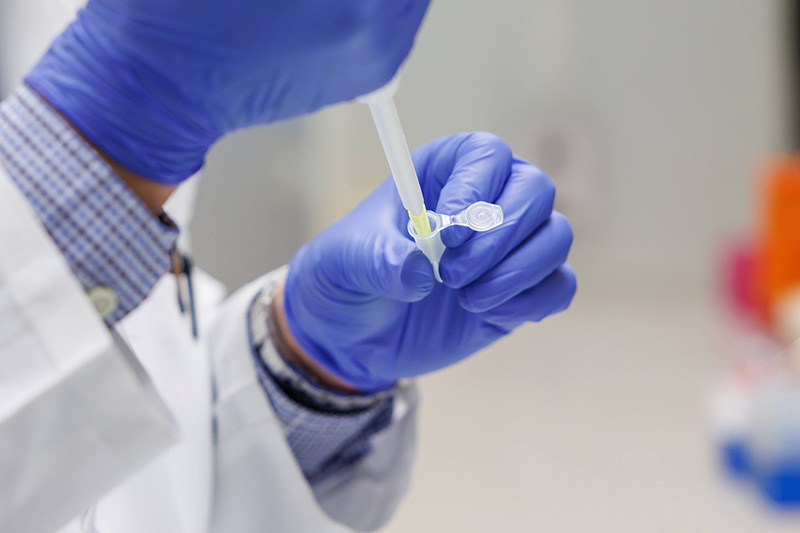
A study in zebrafish of the ultra-rare disease XMEA could help researchers discover treatments. (Stock photo)

By Jeff Hansen, UAB

Can a small fish help identify possible treatments for an ultra-rare inherited disease found in an Alabama boy? The genetic disease is XMEA, which progressively weakens the muscles and can affect the liver and heart. As of March 2024, only 33 cases had ever been seen worldwide.

After the DNA sequence of the boy’s genome showed a mutation in the VMA21 gene, one of the known causes of XMEA, University of Alabama at Birmingham and Children’s of Alabama pediatric neurologist Michael Lopez, M.D., Ph.D., referred the family to the UAB Center for Precision Animal Modeling, or C-PAM.

At C-PAM and in collaboration with a Canadian group, research led by Matthew Alexander, Ph.D., UAB Department of Pediatrics, Division of Pediatric Neurology, and Jim Dowling, M.D., Ph.D., Hospital for Sick Children, Toronto, Ontario, created a preclinical model of XMEA in zebrafish by mutating the fish gene that is analogous to VMA21. While this small, striped fish is commonly found in home aquariums, zebrafish also are a valuable animal model for human disease due to fast growth, large clutch sizes and easy genetic manipulation. They also are transparent as larvae.

Matthew Alexander, Ph.D.

In a study published in EMBO Molecular Medicine, Alexander and Dowling now show that their mutant zebrafish have weakened muscles and other symptoms that mirror human XMEA disease. With this simple model, they were able to test 30 clinically tested drugs and identify two that significantly improved XMEA symptoms in the zebrafish. They now are studying the VMA21 mutation in a mammalian model, the mouse, to further push research toward a possible clinical treatment.

“We have established the first preclinical animal model of XMEA, and we have determined that this model faithfully recapitulates most features of the human disease,” Alexander said. “It thus is ideally suited for establishing disease pathomechanisms and identifying therapies.”

Researchers used CRISPR-Cas9, often called molecular scissors for DNA, to create two mutants: a frameshift mutation caused by a one-base pair deletion, and a premature stop codon created during deletion of 14 base pairs and insertion of 21. Both loss-of-function mutations reduced VMA21 protein levels.

Both mutants showed changes consistent with altered muscle structure and function, such as shorter body length and non-inflated swim bladders. They had reduced ability to swim away from a stimulus, and they spent less time swimming and traveled less distance compared to wildtype zebrafish.

The key cellular change in human XMEA is impairment of autophagy, the cell’s recycling system. Autophagy takes place in cell organelles called lysosomes, and these need to be acidic to activate proteases that degrade proteins for recycling into new proteins. Like human XMEA, the mutant fish lysosomes showed a failure to acidify, and the muscle cells had characteristic vacuoles — fluid-filled enclosed structures. Like human XMEA patients, the fish also showed liver and heart pathologies.

Unlike human XMEA, which can vary from mild to moderate symptoms as a progressive disease, the mutant fish showed severe reductions in life span, presumably due to a more complete loss of VMA function compared to human patients.

Since the fish had impaired autophagy and since there are no therapies for XMEA patients, the researchers tested 30 clinically tested autophagy inhibitory compounds from the Selleckchem drug library on the XMEA fish.

Screening of clutches for changed muscle birefringence, a change in the refraction of polarized light that indicates reduced muscle organization, the team identified nine compounds that both reduced abnormal birefringence and prolonged fish survival. Long-term testing of the nine for improvements in survival and swimming showed that edaravone and LY294002 had the greatest therapeutic effects.

“Excitingly, we found that several autophagy antagonists could ameliorate aspects of the VMA21 zebrafish phenotype, and two compounds in particular improved the phenotype across multiple domains of birefringence, motor function and survival,” Alexander said. “The fact that multiple autophagy modulators ameliorated aspects of the phenotype supports an important role for autophagy in the disease process and lends confidence to the validity and potential translatability of the findings to patients.”

Co-authors with Alexander and Dowling in the study “X-linked myopathy with excessive autophagy: characterization and therapy testing in a zebrafish model,” are Lily Huang, Rebecca Simonian and Lacramioara Fabian, Hospital for Sick Children; and Michael A. Lopez, Muthukumar Karuppasamy, Veronica M. Sanders and Katherine G. English, UAB Department of Pediatrics, Division of Pediatric Neurology.

At UAB, Pediatrics is a department in the Marnix E. Heersink School of Medicine.

XMEA stands for X-linked myopathy with excessive autophagy.

Neurology & Neurosurgery

Children’s of Alabama Offering New Gene Therapy for Patients With DMD

A new treatment offers the hope of longer, better life for DMD patients. (Stock photo)

In January 2025, Children’s of Alabama, for the first time, treated a patient with Duchenne muscular dystrophy (DMD) using a new gene therapy offered by only a few academic hospital facilities in the nation. The milestone followed a lengthy approval process and marked a new opportunity for patient success and scientific progress. Though not a cure, the treatment represents the hope of a longer life for these patients. For researchers, it will contribute to greater learning about the potential of this new treatment.

What is DMD?

While it is considered a rare disease, DMD is the most common form of muscular dystrophy, affecting one in every 5,000 males born in the United States. Patients experience progressive muscle degeneration, starting with proximal muscles and expanding to the limbs over time. They have trouble with many physical activities such as jumping, running and walking, and lose the ability to walk over time. The disease is fatal, and most patients don’t live past their late 20s. DMD has no cure; treatment focuses on extending the patient’s life by slowing down the disease’s progression.

According to the Muscular Dystrophy Association, symptoms of DMD can begin as early as ages 2-3 years, but in Alabama, where DMD is not yet part of newborn screening, many boys are not diagnosed until ages 4-6. That, says Children’s neuromuscular nurse practitioner Samantha Weaver, DNP, CRNP, is when patients begin to experience a steady decline. 

Treatment

Since the 1990s, physicians have prolonged the lives of patients with DMD using corticosteroids, whose anti-inflammatory properties can slow down the disease’s progression by about three years. Gene therapy, however, represents a new treatment aimed at restoring the function of the causative gene, DYSTROPHIN. The U.S. Food and Drug Administration originally approved it in 2023 for use in patients ages 4-5. In 2024, the agency extended that approval to all patients 4 years and older.

In this treatment, the transgene (a micro-DYSTROPHIN synthetic gene) is packaged within a viral capsid—a virus not intended to harm the patient that can hold the genetic material. In essence, physicians are “giving back the missing genetic information to the muscle tissue,” Children’s neurologist Michael Lopez, M.D., Ph.D., said. Unlike any other option, he noted, gene therapy treats the root cause of DMD.

“Now that we’re starting to get these really breakthrough therapies, they’re fulfilling on the promise that we all were searching for, which is that we could get closer to making this disease really better,” he said.

For the patient, improvements don’t happen overnight. That’s not how gene therapy works, Lopez says. “What we hope is that over many years, we’ll see a slow progression of the disease that is beyond what we would get with just treatment with corticosteroids alone,” he explained. “And I think that added benefit is something that’s going to be more of a long-term improvement.”

So, what can the parents of each patient treated with gene therapy hope to see? Ideally, in the short-term, their child will be more active. “I hope that our children can have more of a shot at more play and more jumping and more climbing and all of those things in the future,” said Erin McLeod, M.D., a pediatric neuromuscular neurologist at Children’s. In the long-term, the hope is that they’ll have a longer life.

Evidence supports the treatment’s efficacy. The clinical trials show that gene therapy is being delivered to patient’s muscles, and while the motor assessments haven’t shown clear evidence of clinically observable benefits, the data has trended toward improvement. Lopez says in other, more-recent studies, treated patients are starting to show improvements compared to those not receiving gene therapy. “The MRIs of the muscles themselves look a little bit healthier in some of these patients,” he said. “There’s less evidence of disease in that.”

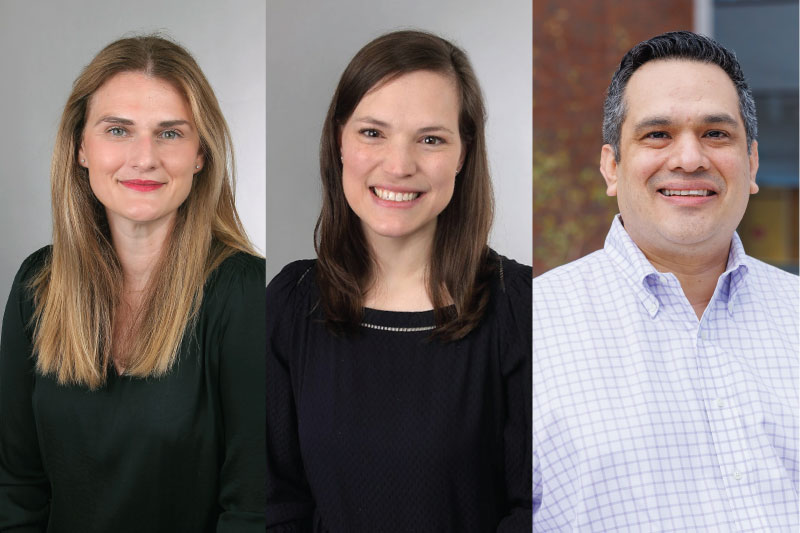
From left: Samantha Weaver, DNP, CRNP; Erin McLeod, M.D.; Michael Lopez, M.D., Ph.D.

Finding the Right Fit

Gene therapy, however, is not the right fit for every patient. To determine candidates, Children’s looks at age, underlying disease and disease progression, Weaver said. They also consider the patient’s overall health and risk for infectious diseases. “It’s an extensive process,” she explained.

With all gene therapies, safety must be prioritized. The treatment can produce a significant immune response that can even prove life-threatening to patients with more advanced stages of the disease. Liver injury is also a major concern. Thus, Weaver says the team must ensure the patient has no antibodies that will reject the virus. “These are important steps to make sure the patient will have the best outcome,” she said.

Because of these considerations, only a small percentage of patients are ideal for the treatment.

Why Offer it at Children’s?

In Alabama, Children’s is the only hospital that offers gene therapy for patients with DMD. Making it available made sense—the hospital already treats spinal muscular atrophy (SMA) patients with gene therapy. Brad Troxler, M.D., and Shelley Coskery, CRNP, led the way on that, Lopez said, and “built in a lot of the infrastructure that we needed to be able to start doing gene therapies.”

“That really has put us out in front of the field with the experience to deliver these high-cost and novel leading-edge treatments,” he added.

Challenges

Cost was one of many challenges for the team as they sought approval to implement this multimillion-dollar therapy. To that end, they involved hospital administration and a pharmacoeconomics committee in the process. But, as Weaver pointed out, the process involved many more steps including determining who would write a protocol to ensure patient safety. They also had to build a larger team, which ultimately included hepatologists, pulmonologists, cardiologists, physical therapists and social workers.

Obstacles persist, even as Children’s offers the treatment. “A high cost remains a big challenge,” Lopez said. “And so we’ve been fortunate to be able to provide these treatments because we’ve gotten support from the insurers, so far.” But not every insurer is the same, he noted, and some may be slow to cover or even decline to cover the treatment.

What the Future Holds

So far, Children’s has dosed only one patient—out of roughly 100 that it follows—with the new gene therapy. While few will be candidates for the treatment, the team hopes to dose more in the future, as long as “the risk is appropriate and the benefit is continuing to be demonstrated,” Lopez said. The team also expects more advancements, which may make it possible for others—especially those with more severe cases—to receive the treatment.

“This first approved treatment for Duchenne that is a gene therapy is just the beginning, and there are going to be more down the road,” Lopez added. “There are certainly some that are in clinical trials now. So I think we’re right to be optimistic in that we’re starting to really push the treatment of Duchenne in a way that’s going to give us lots of options that weren’t there before.”

And as Children’s continues to offer the treatment, they’ll contribute to the scientific community’s information on its effectiveness, which means the team is paving the way toward greater success for the broader population of patients with DMD.

“I think everyone who is familiar with it at this point knows it is not a cure. But it is supposed to significantly slow the disease, and we are still gathering and gaining more data to that,” Weaver said. “So we’re very excited to be part of that process.”

Neurology & Neurosurgery

New MEG at UAB to enhance neuroimaging possibilities 

A new magnetoencephalography could improve treatment of multiple brain diseases at UAB and Children’s. (Photo by Andrea Mabry)

By Katherine Gaither, UAB

The complexity of the human brain has long been an enigma that neuroscientists have sought to untangle. Now, new technology at UAB will act as a critical tool to help researchers and clinicians interpret the brain in unprecedented ways.

UAB has recently invested in a new MEG, which stands for magnetoencephalography. It is used on pediatric and adult patients, so it benefits patients at both UAB and Children’s of Alabama. Put simply, MEG technology measures the magnetic fields that come from the brain’s nerve cells in an effort to analyze their function—and does so at millisecond intervals.

These implications are significant not only for localizing abnormalities in the brain in patients with diseases like epilepsy but also for studying how the brain performs normal functions like speaking, hearing, and seeing.

“It’s not invasive,” said Ismail Mohamed, M.D., professor in the UAB Division of Pediatric Neurology, Department of Pediatrics. “You don’t have to put electrodes in the brain, and it has no risks. You can potentially measure brain activity across multiple sessions. You can potentially measure them across a lifetime span. You can use it to learn things about how our brain functions.”

Measuring the brain’s magnetic fields

UAB was among the first medical centers in the country to obtain a MEG, having done so originally in 2001; however, evolving technology has created a need for replacing the old technology with a new one. The new machine was installed in September 2024.

Many are familiar with MRI as a form of imaging to interpret brain activity; however, having a MEG is not as common. UAB is one of fewer than 30 clinical centers in the nation that houses this technology.

“MRI looks at structure, but MEG primarily looks at the brain waves itself,” Mohamed explained.

The machine operates in a sealed room with a thick door, which eliminates outside magnetic noise. Patients lie or sit still during the scan, which takes precise magnetic field measurements of brain activity.

“The experience is not much different from laying inside an MRI scanner; however, the technology is quite different, and the way we measure is quite different,” Mohamed said. “It’s a passive measurement, which means that even if you’re pregnant, for example, you still can get a MEG scan. There are no risks.”

Compared to MRI and other brain scans like PET, and SPECT, the MEG gives you unique information about the brain as it tracks the activity of the nerve cells. EEG scans are similar, but the MEG has a heightened ability to localize this activity.

“A traditional EEG uses 25 electrodes. The MEG has 306 sensors,” Mohamed said. “So that coverage of the brain is bigger, it enhances the potential to produce more accurate information.”

According to Benjamin Cox, M.D., assistant professor in the UAB Department of Neurology, the difference is also electric vs. magnetic.

“The electrical fields that EEGs are recording are very much attenuated by the skull and all the intervening tissues,” Cox said. “The magnetic fields are not. So, we get a lot more precise localization with the MEG.”

Clinical implications

One significant implementation of the MEG is for use in epilepsy surgery to determine where in the brain seizures originate. Surgeons can use the results of a MEG scan to plan epilepsy surgeries.

“When we’re doing epilepsy surgery and trying to figure out if patients are a surgery candidate, we need to know exactly where the seizures are coming from as precisely as possible, and many times we end up putting electrodes in the brain to sample that activity directly,” Cox said. “So having studies like MEG, where we can have a precise idea of where to put those electrodes, is very helpful.”

Kristen Riley, M.D., professor in the UAB Department of Neurosurgery, notes that “MEG studies help us as surgeons to localize seizure onset zones, directing us to areas to implant monitoring electrodes. Often these areas look completely normal on MRI, but are identified by the MEG study as possible sites of seizure onset.”

A second clinical implementation involves functional brain mapping—to localize areas important for language, sensory and motor function.

“It has huge implications for learning, like child development,” Mohamed said. “Learning new languages. Processing information as the child grows. It also has a lot of potential research use for the prediction of disease outcomes. Studying things like dementia or Alzheimer’s disease.”

Cox added that the new MEG’s presence within UAB Hospital creates advantages for patients and clinicians when used as an inpatient procedure instead of an outpatient procedure, as it has been in the past.

“Epilepsy patients are on seizure medicines on a day-to-day basis to prevent seizures from happening,” Cox said. “When we bring them into the hospital and evaluate them for surgery, we get them off of their medicines, which increases epileptic activity in the brain, so it will hopefully increase the likelihood we record epileptic activity during the MEG scan.”

Studying epilepsy less invasively

From a research perspective, Rachel Smith, Ph.D., assistant professor in the UAB Department of Electrical and Computer Engineering, had been using the existing MEG to validate methods that she has been developing for intracranial EEG in epilepsy patients through a project funded by CURE Epilepsy.

“We’re electrically stimulating a given brain region and then looking for responses in the rest of the brain,” Smith explained. “That is helping us build these unique brain networks. So, we know if we stimulated in one region and see a response in another region, that means that those two regions are likely functionally or anatomically connected in some way.”

Smith and her team are then using MEG data to build computer models that can hopefully test neurophysiological signals virtually to localize epileptic seizures—and therefore less invasively.

“We’re actually saying, let’s build a network from MEG data and see if we can do a virtual stimulation where we actually just stimulate in the computer model and not in real life and see if we can get the same clinical information out,” Smith added.

The new MEG will be a useful tool for advancing research into the future; however, researchers are already realizing significant research implications with the new technology.

“It’s going to be really helpful and translational for a lot of patients right now,” Smith said. “I think being one of 27 centers across the U.S. that has access to this in our hospital is a huge opportunity for people here at UAB to take advantage of. We’re really excited.”

Neurology & Neurosurgery

Procedure and device offer new options for epilepsy patients

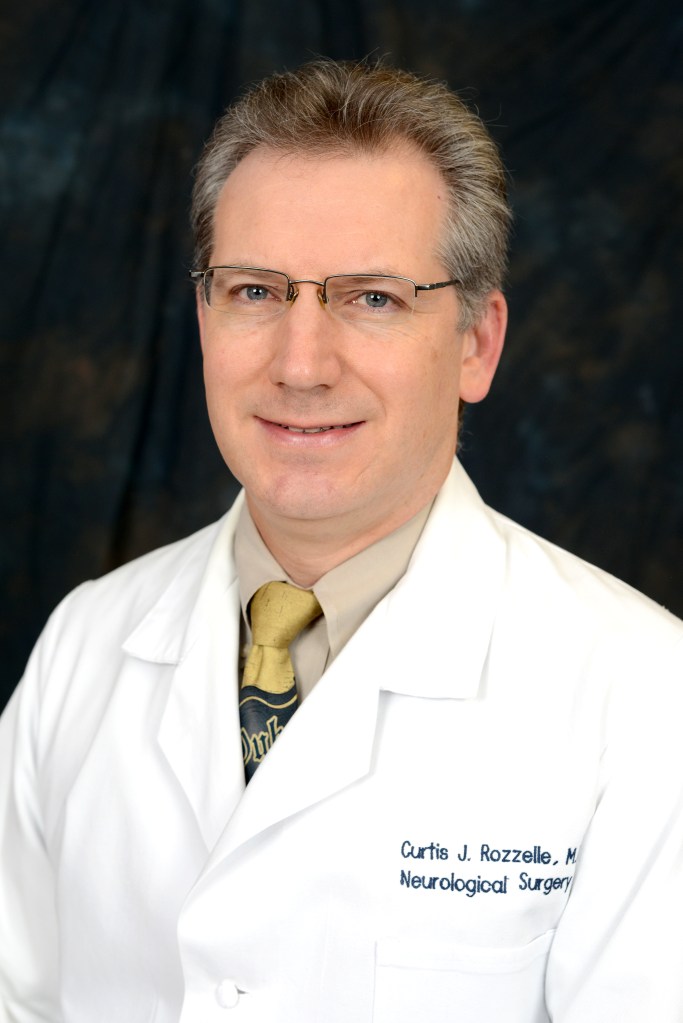
Curtis Rozzelle, M.D., performing a deep brain stimulation procedure for epilepsy.

In January 2024, a University of Alabama at Birmingham (UAB) pediatric neurosurgeon performed the first deep brain stimulation (DBS) procedure for epilepsy at Children’s of Alabama, offering a new treatment option for pediatric patients who experience drug-resistant seizures.

During the procedure, Curtis J. Rozzelle, M.D., a professor in the UAB Department of Neurosurgery, also implanted the first NeuroPace responsive neurostimulation (RNS) epilepsy treatment device at Children’s.

The NeuroPace RNS ® System, which consists of a small generator attached by leads to electrodes, was designed to communicate with a computer to record brain activity, recognize seizure-related patterns and deliver stimulation to suppress seizures. The device, which is curved for better placement within the skull, monitors brainwaves constantly and can be customized on a patient-by-patient basis.

“Much like a cardiac pacemaker that senses and responds to abnormal heart rhythms, this combination of technologies will detect brain activity that precedes seizures, then stimulate pathways deep in the brain to either prevent seizures from starting or stop seizure activity in its tracks,” Rozzelle said.

When performing a DBS procedure, a neurosurgeon inserts electrodes connected to a neurostimulator into the brain to disrupt epileptic electrical activity before it can cause a seizure. Similar to the RNS System, the DBS neuromodulation device can be programmed after placement in an outpatient clinic by an epilepsy specialist, like UAB Department of Pediatrics Division of Neurology professor Monisha Goyal, M.D.

In this case, Rozzelle placed the RNS® System electrodes in the thalamus, resulting in a twofold RNS and DBS procedure. 

Neurostimulators have long been used to treat various neurological disorders when traditional treatment options fail. DBS was originally developed in 1997 to treat Parkinson’s disease and has since expanded as a treatment option for epilepsy, dystonia and more. RNS gained initial FDA approval in 2013 and has proved to be effective in many patients. Presently, RNS is FDA-approved only for adults, but is successfully being used off label in the pediatric population.

Though DBS and RNS are not viable options for all patients, they show tremendous potential in treating children with epilepsy who need more innovative treatment options. “With this first RNS implantation [at Children’s of Alabama], we have expanded the armamentarium of therapies available to individuals with poorly controlled epilepsy,” Goyal said. “Unfortunately, neuromodulation with RNS is only [FDA-approved] for individuals who are at least 18 years old. The pediatric epilepsy team at Children’s of Alabama hopes that this therapy will be available to more children of Alabama soon.”

Neurology & Neurosurgery

Deep brain stimulation for progressive dystonia

In 2023, Children’s of Alabama performed deep brain stimulation on progressive dystonia patients for the first time.

Progressive dystonia disorders, characterized by changes in movement patterns, can profoundly impact a child’s quality of life. In adults, such disorders are routinely treated with a procedure called deep brain stimulation (DBS). However, this intervention is less commonly used in pediatric populations.

In 2023, Curtis Rozzelle, M.D., and Emily Gantz, M.D., performed Children’s of Alabama’s first DBS procedures for progressive dystonia patients. This innovative therapy has shown promising results in several pediatric patients with limited treatment options.

Curtis Rozzelle, M.D.

“We’re excited that this innovative procedure is now transferring over to our pediatric patients,” Rozzelle, a pediatric neurosurgeon at Children’s, said. “Kids with progressive dystonia seem to do particularly well, while those with other types of movement disorders may have mixed results.”

Studies suggest that pediatric patients with progressive dystonia respond well to deep brain stimulation, especially after failing conventional medications. The decision to apply DBS in pediatric cases stems from the specific needs of young patients and advancements in the field.

“Until Dr. Gantz arrived at the University of Alabama at Birmingham, we didn’t have a movement disorder neurologist here who also had training and experience with deep brain stimulation,” Rozzelle said. “When she arrived, Dr. Gantz opened the door for us to be able to perform the technical aspects of the surgical procedure. Now, we’ve done several.”

Not every child is an ideal candidate for DBS. The decision to initiate DBS is patient-specific, based on the severity of symptoms and the inadequacy of other treatments. A careful evaluation of each patient’s unique situation, including factors such as genetic mutations and the progression of the disease, must be completed before offering DBS surgery.

Each deep brain stimulation procedure at Children’s uses stereotactic surgical techniques and the ClearPoint targeting system. This system, employed in an MRI scanner, ensures safe, precise electrode placement in the globus pallidus interna (GPI), a key target for treating progressive dystonia.

Emily Gantz, M.D.

“When we implant the electrode into a specific region of the brain, we can either edit the input throughout the stimulation, or we can take it completely away,” Gantz said. “Think of it as a series of relay circuits in the brain. If someone has dystonia, one of those relay circuits isn’t working properly. By putting in the stimulator and applying an electrical current intermittently, we can suppress the abnormal brain activity.

“The stimulator stays in for life, so the procedure doesn’t need to be repeated,” she continued. “Occasionally, we’ll have to change the device’s battery, but they’re rechargeable and designed to last for up to 20 years.”

After the initial procedure, patients return to see Gantz to have the device programmed. “I set the programming on their stimulator so they can make slight adjustments at home. It can take a little while for the device to be effective; we usually leave it alone for a few months and then reevaluate,” Gantz said. “We have guidelines for which settings will most likely help, and we start there. We’re looking to ensure we don’t get side effects, such as visual disturbances or muscle pulling, more than anything.”

The pediatric patients who have begun DBS for progressive dystonia at Children’s are responding well to the new treatment. “I’m really excited about DBS and its future as a treatment in pediatric neurology, specifically movement disorders,” Gantz said. “It may eventually come into play in other treatment areas, and I’m glad the door is open to us here. I think there will be many more patients who will benefit from it.”

Neurology & Neurosurgery

A new procedure for epilepsy patients in Vietnam

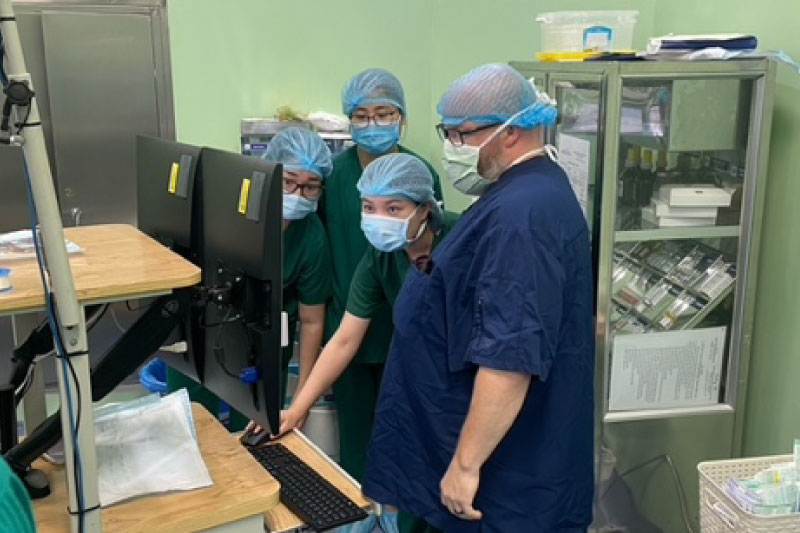
Children’s of Alabama director of neurophysiology Trei King with a Vietnamese EEG team during a trip to Vietnam in September 2023. (Submitted photo)

With the waning of the COVID-19 pandemic, a team of neurosurgeons from Children’s of Alabama, Johns Hopkins All Children’s Hospital and Nationwide Children’s Hospital in Columbus, Ohio, were finally able to fly the 9,000 miles back to Vietnam in 2023 to continue training surgeons on surgical techniques to manage drug-resistant epilepsy.

Children’s of Alabama’s relationship with Vietnamese neurosurgeons began in 2013 with an initial visit to a team in Ho Chi Minh City. Until the pandemic hit, the team, including pediatric neurosurgeon Brandon Rocque, M.D., pediatric epilepsy surgery director Pongkiat Kankirawatana, M.D., and director of neurophysiology Trei King, BA, R.EEG.T, CNIM, visited annually to provide hands-on training at hospitals in Hanoi and Ho Chi Minh City.

Their efforts are desperately needed in a country with just two adult and two pediatric neurosurgery training programs for its 95 million people and only six pediatric neurosurgeons serving a population of more than 50 million in the northern part of the country.

“Vietnam did a very good job of managing COVID, with an extremely low per capita death rate,” Rocque said. Nonetheless, there were significant disruptions to medical care and training during lockdowns.

On their return trip to Vietnam in September 2023, the team assisted surgeons in Ho Chi Minh City with epilepsy resection surgeries. Since the Children’s team left, the local surgeons have completed at least two of these procedures on their own, albeit with some long-distance help from the Children’s surgeons. “They called us in the middle of the night, and we helped them troubleshoot the equipment a bit for the epilepsy monitoring,” Rocque said. 

On the same trip, at the National Children’s Hospital in Hanoi, the team performed the country’s first subdural grid electrode implantation, a procedure designed to pinpoint where seizures are occurring. “Everything went really well,” Rocque said. “We monitored the patients for a couple of days and were able to clearly localize where their seizures were.” Then, they removed the electrodes and performed the resection.

The procedure had never been performed in Vietnam because of concerns about infection from the temporary electrodes and the need to keep patients heavily sedated. However, those concerns were overcome when the hospital adopted international standards for the procedure.

The grid implantation, performed in two pediatric patients, received national media coverage, triggering requests from families throughout the country. “It opens up the possibility of many more patients getting treated,” Rocque said.

The team also visited the National Cancer Hospital in Hanoi to assist with an established program using selective dorsal rhizotomy to reduce spasticity in the legs from cerebral palsy. They helped evaluate patients, assisted with surgery and participated in a symposium on the procedure attended by more than 50 physicians throughout Vietnam.

The team also assisted the Vietnamese neurosurgeons in performing extraoperative video-electrocorticogram monitoring.

Neurology & Neurosurgery

Children’s Neurologist Helps Bring First Rett Syndrome Drug to Market

Children’s of Alabama pediatric neurologists Dr. Amitha Ananth (left) and Dr. Alan Percy

In March, the U.S. Food and Drug Administration approved the first treatment for Rett syndrome, a rare neurological disease. Considered a major breakthrough, the new drug, called trofinetide, or Daybue, may never have made it to market without the groundbreaking work of Children’s of Alabama pediatric neurologist Alan Percy, M.D.

Percy is one of the leading Rett syndrome experts in the world. He diagnosed the first patient with the disease in the U.S. and led a multicenter, National Institutes of Health-funded study on its natural history. He now co-leads, with Amitha Ananth, M.D., the Children’s of Alabama/University of Alabama at Birmingham (UAB) Child Neurology Rett Syndrome Clinic, one of the largest in the country and one of just 15 centers of excellence in Rett syndrome in the country.

“The availability of this medication is a game-changer in our efforts to treat this disorder directly, rather than only treating the specific problems that may arise,” Percy said. “It is remarkable that this treatment emerged less than 40 years after Rett syndrome first became known throughout the world.”

Rett syndrome affects about one in 10,000 babies, nearly all female. Infants with the condition develop normally until about 18 months of age, when they start missing developmental milestones and even regressing in some areas. The most classic feature, according to Ananth, a pediatric neurologist at Children’s, is loss of ability to use their hands in a meaningful way. Instead, they make repetitive, purposeless movements like handwringing, squeezing, clapping, tapping or rubbing. They also can’t communicate verbally.

Ananth has begun prescribing the new treatment to her patients. Prior to its approval, physicians prescribed physical, speech and occupational therapy; medications to treat symptoms like seizures and anxiety; and monitored growth and nutrition. “But there are a lot of aspects of this condition for which we really don’t have great drug treatment,” Ananth said. For instance, many patients with the disease will hold their breath or breathe very rapidly. “That can be quite disruptive to their daily life, but we don’t have great tools to deal with it.”

The Department of Defense initially developed trofinetide to treat traumatic brain injury. It’s a novel synthetic version of a tripeptide within the insulin-like growth factor 1 molecule (IGF-1). People with Rett syndrome have altered levels of IGF-1. Data suggests trofinetide helps brain neurons grow and communicate, while potentially reducing inflammation in the brain.

Children’s and UAB hosted clinical trials for the drug which involved 187 female patients with Rett syndrome ages 5 to 20. Those who received the drug demonstrated significant improvements on caregiver and physician assessments compared to those who received a placebo.

“To actually see a statistically significant difference between the two groups in just 12 weeks is pretty remarkable,” Ananth said. However, she stressed, “this isn’t a cure. But it is different from other medications we’ve been using because it targets the overall well-being of the person as opposed to specific symptoms.”

Anecdotally, Ananth has heard from parents of patients who received the drug that their daughters are more alert and engaged, both of which are important to the success of the various therapies the girls receive. For instance, some patients can be taught to use eye-gaze communication devices since most are nonverbal and can’t use their hands to communicate. “Parents said their daughters who received the drug were using [the devices] better,” she said. One girl who, prior to the trial, spoke only two or three words has now expanded her vocabulary exponentially, Ananth said.

The drug is a liquid administered by mouth or through a gastrostomy tube. The major side effects are vomiting and diarrhea, although clinicians are finding ways to reduce their severity and better manage them.

Another clinical trial is testing the drug in children ages 2 to 5. In addition, two companies have submitted applications to the FDA to start gene therapy trials, Ananth said, and one woman in Canada has received the first such treatment. Other investigational therapies are also under way. “We may very quickly move from an era with no treatments to one with multiple treatments and combination therapies,” she said. “It’s very exciting.”

Neurology & Neurosurgery

Children’s of Alabama neurologists launch SMA clinical trial opportunity

Dr. Michael Lopez is a co-investigator of a clinical trial involving a new drug for spinal muscular atrophy.

A new drug is in late-stage clinical trials at Children’s of Alabama for spinal muscular atrophy (SMA), a rare genetic disease marked by progressive muscle deterioration and atrophy. The drug, apitegromab, has a different mechanism of action than other SMA treatments and is being studied in patients already taking others.

Apitegromab is a human monoclonal antibody that targets the myostatin pathway, which affects muscle cell mass. “The thought is that if you can inhibit this pathway, then you could increase the muscle cell mass,” said Michael Lopez, M.D., Ph.D., co-investigator with Han Phan, M.D., at Children’s. Numerous animal studies show that inhibiting the myostatin pathway increases muscle mass, while overactivation reduces muscle mass.

Apitegromab binds to the precursor (pro/latent) myostatin, preventing its conversion into the active, mature form of the protein. This prevents the muscle cells from receiving the signals to reduce their mass. Because it works differently from the gene-based therapies already available, it’s being investigated as an adjunctive therapy, ideally providing another avenue to building muscle and reversing the weakness and atrophy SMA patients experience. “Muscle is regenerative; it can repair and renew itself,” Lopez said.

Apitegromab is the latest encouraging investigational drug in SMA treatment. In 2016, the FDA approved the first disease-modifying treatment for SMA, nusinersen, which works by increasing the amount of spinal motor neuron (SMN) protein produced by the SMN2 gene. SMA patients have nonfunctional SMN1 genes but several copies of SMN2 genes.

Since then, two other treatments, the gene therapy onasemnogene abeparvovec—which is administered just once to those less than 2 years of age—and the oral therapy, risdiplam—which also alters how effectively the SMN2 gene makes the SMN protein—have been approved.

In the latest clinical trial, called SAPPHIRE, participants must already be taking nusinersen or risdiplam. The trial will evaluate the drug in patients ages 2 to 12 who have SMA type 2 or 3 and can no longer walk. They will be randomized to receive one of two doses of apitegromab or placebo by IV infusion every 4 weeks for a year. Children’s is one of several participating centers in the U.S.

Previously, a phase 2 trial called TOPAZ showed improved motor function, even in patients who couldn’t walk. “The preliminary data was encouraging, but additional study is required,” Lopez said.

The progress that’s been made in SMA in the last few years, which Lopez called “revolutionary and game changing,” would not have been possible without the support of the families enrolling in clinical trials for the currently approved drugs, he said. “And they didn’t know if there would be a benefit, or even if they were in the investigational arm or placebo arm.” He also praised the Muscular Dystrophy Association Clinic at Children’s for the “superb care provided.”

“Every day, I’m in awe of the progress that has been made in treating this disease,” Lopez said. “We have gone from not having any treatment options at all and watching patients succumb to the disease to knowing that every patient now has a different life ahead of them—something that wasn’t imaginable when I started med school.”

Neurology & Neurosurgery

Children’s Neurologist Receives NIH Grant to Explore New Pathway in DMD

Dr. Michael Lopez received a nearly $1 million grant to study a new pathway in Duchenne muscular dystrophy.

What happens when you knock out a ubiquitous protein in muscle that appears to be involved in numerous neuromuscular diseases, including Duchenne muscular dystrophy (DMD)? That’s the question Children’s of Alabama pediatric neurologist Michael Lopez, M.D., Ph.D., and his mentors, University of Alabama at Birmingham (UAB) professor Peter King, M.D., and assistant professor Matthew Alexander, Ph.D., are trying to answer.

Lopez recently received a Career Development Award worth nearly $1 million from the National Institute of Neurologic Disorders and Stroke to better understand a novel pathway involved in the development and progression of DMD.

The disease, which primarily affects males, is caused by a mutation in the gene that encodes for the dystrophin protein, which is critical for musculoskeletal health. Without this protein, muscles degrade over time, resulting in a severe paralysis that affects breathing and eventually causes the heart to fail. Patients typically die in their early 20s or 30s.

There is no satisfactory treatment for DMD. A multidisciplinary approach involving neurology, cardiology, pulmonary care and rehabilitation—among other specialties—helps patients manage the disease. Immune-dampening corticosteroids are the primary medical therapy.

Lopez and his team identified a new pathway involved in the sustained inflammation that underlies the disease. While chronic inflammation is driven, in part, by elevated levels of the cytokine transforming growth factor β (TGFβ1), clinical studies using drugs to inhibit TGFβ1 have been, by and large, unsuccessful. Lopez thinks that’s because the TGF signaling is more complicated, so any attempt to reduce levels must account for downstream signaling via transcription factors, called Smads, that receive instructions from TGFβ.

While it’s been known for some time that the Smad2 and Smad3 factors are important players in the TGFβ pathway, Lopez’s research identified another Smad called Smad8 that is not only turned on in a cellular model of DMD but is 48 times higher than other Smad factors. His findings were published in the International Journal of Molecular Science in July. “It appears to be a previously unrecognized pathway that could cause larger dysregulation of gene expression within the muscle,” he said.

When the researchers silenced Smad8 in cultured muscle cells, they found the cells differentiated into muscle fibers more successfully. “That’s a key experiment because it shows that too much of Smad8 was likely doing the opposite: preventing the muscle cells from differentiating into myofibers,” Lopez said.

The grant provides the funds to breed transgenic mouse lines in which the gene that encodes for Smad8 is deleted in cells destined to become muscle cells. “That way, we can answer the question, ‘Is it necessary for the normal function of muscle, and does it make DMD less severe in the mouse?’” Lopez said. “The premise is that we can intervene on this pathway and reverse these impairments.”

Neurology & Neurosurgery

LITT Device Makes Epilepsy Surgery More Precise, Less Invasive

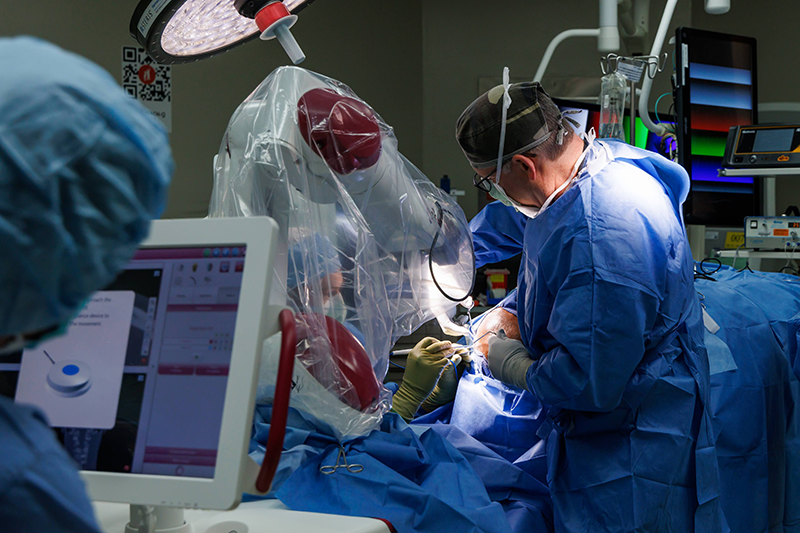
Surgeons perform a laser interstitial thermal therapy (LITT) procedure at Children’s of Alabama.

A new procedure called laser interstitial thermal therapy (LITT) allows Children’s of Alabama surgeons to take a minimally invasive approach to brain surgery and target tissue for ablation with greater precision.

Usually, patients with drug-resistant epilepsy who experience intractable seizures undergo resective surgery, in which a surgeon removes part of the brain. The procedure is very invasive, however, entailing a craniotomy, or removing part of the skull and cutting through the dura, which covers the brain. Some areas of the brain are difficult to navigate, and removing certain sections, such as the eloquent cortex, can lead to a loss of important functions, such as sensory processing or speech. Resective surgery also requires several days in the hospital and carries a risk of infection and bleeding.

“The small LITT device enables us to get into a deep region of the brain easily and safely,” pediatric neurologist Kathryn Lalor, M.D., said. “We can find the seizure onset with the electrode and then target the same area with LITT.”

The robotic system inserts a 2-to-3-millimeter probe (about the size of the tip on a new crayon) through a hole drilled into the skull. MRI guidance precisely locates the target area responsible for seizures. Once the probe is in place, a burst of laser energy destroys the tissue.

The device was initially FDA approved for temporal and medial structures in the brain, where much of adult epilepsy surgery occurs. Now, Children’s and other pediatric centers are demonstrating its effectiveness at treating epilepsy in other areas of the brain. “There’s a lot of research on how to make the energy delivery even more specific, so no unintended areas are affected,” Lalor said.

Using the device also reduces brain swelling thanks to its less invasive nature. “So, the recovery time is much quicker, and many of these patients go home the next day,” she said. In fact, studies find few complications and a good safety record.

In 2022, the team completed six surgeries using the LITT system.