Browsing Tag

quality improvement

Endocrinology

Increasing Foot Exams in Kids With Type 2 Diabetes

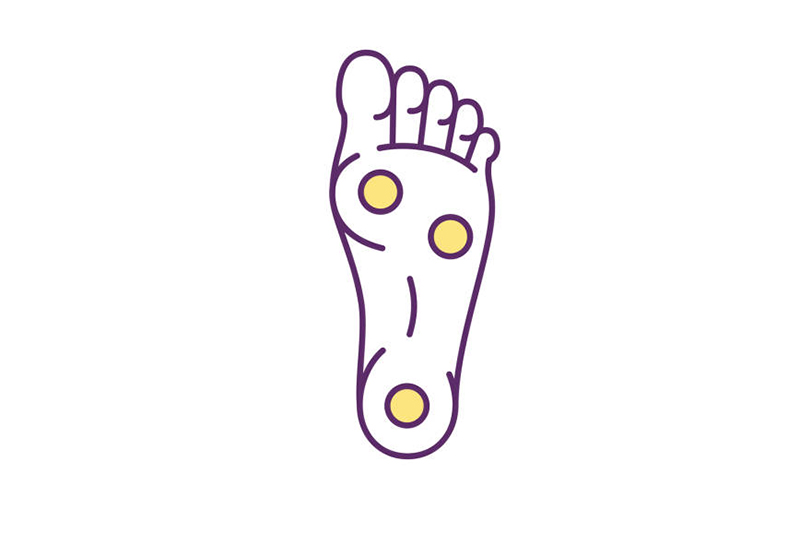
A QI project at Children’s helped improve the rate of foot exams for patients with type 2 diabetes. (Stock illustration)

When you think about type 2 diabetes in kids, you likely think about blood sugar, insulin and diet. But what about feet?

For kids—and adults—with diabetes, feet can be the canary in the coal mine when it comes to microvascular damage from high glucose levels. In the feet, neuropathy increases the risk of foot ulcers and even amputation. In the eyes, it can lead to vision loss, and in the kidneys to chronic kidney disease.

“Young people with type 2 diabetes are very different from adults,” said Mary Margaret Barr, M.D., a pediatric endocrinology fellow at Children’s of Alabama. “Their disease is usually much more aggressive. It causes issues earlier, and it can be harder to control.”

Current American Diabetes Association guidelines call for comprehensive foot exams upon diagnosis of type 2 diabetes and annually thereafter.

Yet when Barr set out to see how well clinicians documented complete foot exams in medical charts at Children’s, a large gap emerged.

Her review came after the hospital transitioned to a new electronic health record (EHR) system. She found that after the transition, documented foot exams in pediatric patients with type 2 diabetes fell from about one in four visits to almost none. “Basically, one or two kids out of 30 or 40 had a documented foot exam,” she said.

It wasn’t that clinicians didn’t know the guidelines; it was just different in the new system.

Recognizing that reality, the team launched a formal quality improvement project—later named UndeFEETed—to understand what was getting in the way and how to fix it.

A Small Exam That Takes Time—and Intention

A proper diabetic foot exam is not a glance at a pair of sockless feet. It requires time, tools and attention.

It starts with a neurological exam to test nerve sensation in the foot. A monofilament (soft strand of nylon) is tapped gently on the foot and toes to assess if the patient can feel where it is tapping without looking, followed by tuning fork vibration tests, a pinprick test, or a tendon hammer test to assess ankle reflexes. The vascular assessment includes checking blood flow in the foot and ankle.

For children—especially those who are younger or developmentally delayed—this exam can be challenging. And in a busy clinic, where providers juggle multiple screening requirements, preventive exams that aren’t automated can quietly fall away.

“There’s a really big list of screenings that come along with diabetes visits,” Barr noted. “It does get overwhelming.” But most of these other screenings are incorporated into the daily clinic flow, with documentation rates averaging more than 80%.

Plus, there’s no reimbursement for foot exams despite the time required to properly do one. “That’s frustrating,” Barr said.

She’s not surprised that when she presents the UndeFEETed data at conferences with other endocrinologists around the country. “Everyone’s like: Yeah—no one does foot exams.”

But a documented foot exam is more than just paperwork: it’s a safeguard that problems won’t be missed.

“If a foot problem was found, it could be addressed early rather than later,” Barr said.

That matters because children diagnosed with type 2 diabetes today will live with the disease for decades. Large studies show that by their mid-20s many already show signs of permanent nerve damage, Barr said.

Her team identified four main barriers to documented foot exams: lack of standardized documentation, limited access to exam tools, time pressures, and uncertainty about how to record the exam in the new EHR.

Physicians, nurse practitioners and clinic nurses worked together to redesign workflows. A new diabetes note template embedded foot exam documentation directly into routine visits. Supplies were in all exam rooms. Nurses helped flag when exams were due.

The team resisted adding pop-up alerts in the new EHR, which also helped. Instead, they built seamless, non-intrusive reminders into the charting process.

The results were striking. Within months, documented foot exams rose from less than 5% to more than 20%. Once more providers adopted the new template, documentation climbed to 50%—double the original goal.

However, after the initial changes were implemented and the system was running for a while, that figure dropped to about 30%. So Barr and her team are continuing to investigate other options in the EHR to help. They are also working with the nurses to identify the best way to communicate with the clinicians they work with most often, whether it’s a sticker or a certain word to help them remember to conduct a foot exam.

Barr hopes the work eventually leads to tracking long-term outcomes, including whether earlier and more consistent screening reduces complications. For now, the focus remains on getting the fundamentals right. “Our biggest goal is to make sure that kids who are about to graduate from pediatric care and go into the adult world have foot exams on record,” she said.

Endocrinology

QI Project decreasing no-shows in endocrinology clinic

Thanks to a QI project, fewer patients are missing appointments in an endocrinology clinic at Children’s of Alabama.

Missed appointments are nothing unusual in the world of clinical care. In Children’s of Alabama’s subspecialty clinics, a no-show rate of around 30% is not out of the ordinary. In some cases, these absences can derail a patient’s progress or allow their condition to worsen.

That’s why a team of clinicians at Children’s of Alabama started a quality improvement (QI) project to increase retention in the hospital’s Prediabetes and Metabolic Syndrome Clinic. Led by Grant Adams, CRNP; Christy Foster M.D.; and Jessica Schmitt M.D., MSHQS, the project has reduced no-show rates for return patients in the clinic from 37% to 18% in less than a year with support from the KPRI Quality and Safety Award.

The clinic, which opened in late 2022, was established to provide a centralized and dedicated clinic within the Division of Endocrinology and Diabetes for youth with metabolic syndrome and/or prediabetes. “Obesity and prediabetes are all too common in our youth,” Schmitt said. “When patients are referred to us, we want to be able to provide solutions beyond what pediatricians can provide. Further, some health care providers feel less experienced or comfortable managing obesity-related complications in children and counseling on lifestyle interventions. We felt it would be beneficial to assign these patients to a specialized team equipped to provide comprehensive, compassionate care focused on addressing these specific health concerns. As this patient population is a special area of interest for Grant, he was an ideal provider to lead this clinic.”

But when patients don’t return for follow-up appointments, it’s difficult for providers to achieve those solutions. That’s why the QI project was necessary. And it’s been effective; the team achieved the no-show decrease in the clinic by encouraging more patient-oriented options when educating and refining healthy habits. They operated under the motto: EMPOWER Healthy Habits. Providers adopted a modified version of the American College of Lifestyle Medicine (ACLM) pillars of health: sleep, social connections, stress management, activity, nutrition and mental health. They encouraged each patient to set SMART goals addressing one or two of these health domains.

Once a patient chose their goals, the team offered tools to help them succeed—for  example, a sound machine for sleep; activity dice for activity; portion containers for nutrition; craft kits for stress management; card games for social connections; journals for mental health.

All subjects were offered a body composition analysis and had access to a digital exercise platform, if interested. Same-day consultations with social work and nutrition were offered and encouraged. “Providing a human-to-human connection with a focus beyond the scale engaged patients and their families, particularly those who previously felt that healthy habits were out of reach,” Adams said.

Providers also worked with the families to determine the best methods for contacting them. When medically appropriate, they allowed shared decision making to guide follow-up frequency and modality (phone, MyChart, telemedicine, or in-person visits). “We’re working with families to make changes that meet their goals where they currently are, not a provider’s ideal change behaviors. This promoted the patients’ and families’ autonomy and agency,” Foster said. “This changed the dialogue from provider-dictated change to patient-centered.”

Provider training also played a crucial role. They received training in motivational interviewing (MI). “MI is frequently quoted as the ideal way to promote patient-led behavior change, but most providers have not received any training,” Schmitt said. “After working with Dr. Matthew McKenzie, the MI trainer working with the team, when I lean into MI techniques, I find visits more collaborative, rewarding and effective than when I try to tell a patient or family what to do.” The training is ongoing.

The team’s initial goal when they began the project in the December 2023 was to reduce no-show rates for return visits by 19% for a reduction from a baseline of 37% to 30% by July 2025. They nearly met that goal in the first stage alone, reducing missed appointments to 31% between December 2023 and July 2024. By the end of stage two in November 2024, the rate had fallen to 18%.

The work is evolving and continues as the EMPOWER Healthy Habits team continues to find better ways to serve their patients and families. “We are reassured by this success and look forward to working on sustaining these results,” Adams said. “In future endeavors, we look forward to evaluating if increased retention has health benefits for our patients, which is the ultimate goal.”

Cardiology

Code Committee Brings Innovation and Improvements

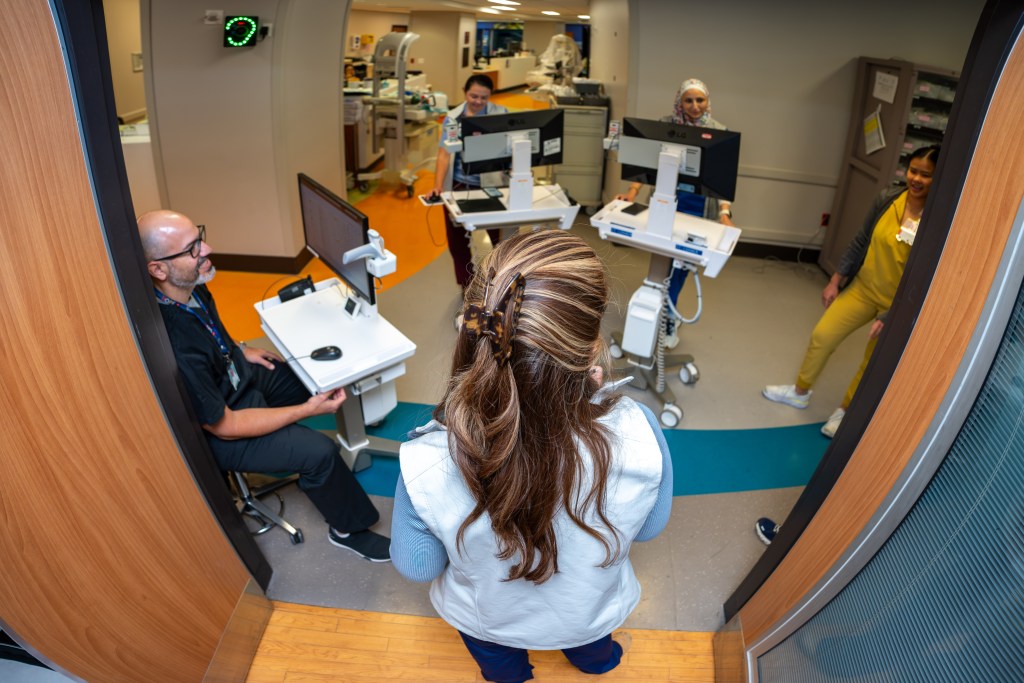
HC3 is led by Dr. Ahmed Asfari (top row, fourth from left) and Ashley Moellinger (top row, third from left).

Since the inception of the Heart Center Code Committee (HC3) in 2014, Children’s of Alabama’s cardiac arrest rate in the Cardiovascular ICU has fallen nearly 50%. The impact this committee has had on cardiac arrest reduction has come from numerous quality improvement initiatives and safety changes. In 2022, some of the initiatives Children’s implemented include the development of four guidelines, three communication enhancement tools, checklists and numerous safety changes.

Whenever a patient goes into cardiac arrest or a near miss is encountered, HC3 discusses the case. This multidisciplinary committee is composed of physicians, nurse practitioners, bedside nurses, respiratory therapists, cardiovascular operating room staff, chaplains and leadership from the heart center. HC3 meets every other week to evaluate each case, identify what was done well and areas for improvement.

Nurse practitioner Ashley Moellinger, CRNP, MSHQS, and cardiac intensivist Ahmed Asfari, M.D., who participate in quality improvement initiatives within the heart center, began leading the committee in 2021. They’ve focused on three key areas: education, inclusivity and innovation.

“We have unique patients with really complicated conditions that can be challenging to understand,” Moellinger said. “Whenever we review the event, we look for areas where there’s a knowledge gap or a need to enhance skills.” Then the team sends education briefs to the nurses to highlight committee findings.

Every nurse in the department is involved with the committee. “Really, the committee is owned by the nurses,” Moellinger said. An elite team of nurses reviews each case, interviews those involved and develops a presentation to tell the story of the event. Then, the committee decides together what they need to change. “And that’s where the education rollout comes into play,” Moellinger said.

The committee uses artificial intelligence and near-real-time analytic algorithms to analyze cardiac arrest and near-arrest events. “When you’re talking about a cardiac arrest, everyone’s recollection is going to be different,” Asfari said. With the platform, “we can use objective data to show the patient’s course.” It also allows the team to view vital signs in a continuous manner on one screen.

“One of the things we are most proud of is the ‘green’ epinephrine action plan,” Asfari said. When a patient goes into cardiac arrest, epinephrine is one of the first medications administered, but it takes time to prepare the drug. Shorter time to administer it is associated with better outcomes. The action plan calls for prepared epinephrine at the bedside and includes standing orders for the nurse to administer it once the patient’s vitals reach a certain threshold. “It’s made a huge impact on our patient care,” he said. “Cardiac arrest is a real problem for children with cardiac disease because they are so fragile,” Asfari said. “Improving resuscitation and, more importantly, preventing the arrest can improve the outcome.”

Cardiology

Communication, Metrics Drive Quality Improvement in Cardiothoracic Surgery

Ashley Moellinger (left) leads QI projects for the Children’s of Alabama cardiothoracic team.

Two years after launching a quality improvement (QI) project to reduce re-interventions for one of the most complex heart surgeries performed in newborns, the cardiothoracic team at Children’s of Alabama is ready to call it a success.

The project, which is part of the National Pediatric Cardiac Quality Improvement Collaborative, was designed to understand why re-interventions occurred after the Norwood procedure, which involves constructing a new, larger aorta for babies born with hypoplastic left heart syndrome. Patients who don’t require an intervention during the hospitalization after their initial surgery have a mortality rate of about 6% while those who require another surgery or catheterization procedure have a 26% mortality rate.

Children’s slashed its Norwood re-intervention rate and lengths of stay by:

  • Improving communication among team members
  • Identifying and targeting metrics
  • Focusing not on “finger-pointing,” but on how to improve the process

Overall, the unit has seen a 30% reduction in re-intervention in the first phase of the surgery and an 18% drop in the average length of stay, as well as significant improvements in other quality markers, including days to extubation and the use of certain medications like opioids and vasopressors. In addition, interventions for post-operative bleeding fell from 18.5% to 4.2%.

“The two main functional components of what we’re doing are situational awareness and communication,” cardiovascular intensivist Hayden Zaccagni, M.D., said. Together, they allow for more scripted and pinpointed conversations about potential complications, he said. “The communication factor is the most important thing—making sure that all the different disciplines that care for these children have the same kind of knowledge umbrella and communicate about it.”

Also important is having clear expectations about the post-operative period. A high-level map at the bedside clearly shows those metrics on a day-by-day basis for cardiovascular, neurological, respiratory and feeding specialists.

The third piece, according to Ashley Moellinger, RN, CRNP, who co-leads QI initiatives in the department, is holding small group-focused meetings to dissect re-interventions. “We get together those involved and say, ‘How can we prevent this from happening again?’” she said.

As with any QI project, data rules. For instance, one of the most common complications the team saw was post-surgical bleeding, so they developed guidelines to quantify the amount of bleeding in the OR not just in volume, or millimeters, but by measuring the blood coagulopathy, or impaired clotting. That led to the discovery that the lab instrument used for the measurement was outdated. And that, in turn, provided hospital administrators with reason to update the machine because they could see the potential impact on patient outcomes.

While the project is a success based on the numbers, it’s also a success in a less tangible way, Zaccagni said. “The morale of the unit, something we haven’t been able to objectively measure, is also improved.” He thinks it’s due to having a better understanding of where patients have come from medically and where they are now. “There’s this huge sense of collaboration.”  

The team hopes to apply the lessons learned and new systems to other cardiothoracic surgeries.

Cardiology

Children’s of Alabama CVICU Embraces Quality Improvement Projects

What if you could proactively identify patients who might go into cardiac arrest and intervene before the unthinkable happens? If you do what Children’s of Alabama did, you end up with fewer children having arrests and improved response times because of faster medication administration when an arrest does occur.

That’s all thanks to a multi-institutional quality improvement project — Cardiac Arrest Prevention (CAP) — centered around a resuscitation action plan, which focuses on rescuing patients before they arrest.

The project, led by cardiovascular intensive care unit (CVICU) Medical Director Santiago Borasino, M.D., and cardiac intensivist Hayden Zaccagni, M.D., is part of the Pediatric Cardiac Critical Care Consortium (PC⁴), made up of 52 of the country’s top children’s hospitals. The consortium maintains a focused CVICU registry designed to share real-time data and outcomes between institutions and participates in quality improvement projects to improve outcomes.

The CAP project is just one of the data-driven, collaborative learning initiatives the group has implemented.

Comprehensive Effort

“CAP is a joint effort with bedside nurses, respiratory therapists, administrative nursing staff and trainees, whether fellows or advanced practice practitioners, to not just identify at-risk patients but have a common mind-set and goals to prevent arrests,” Zaccagni said.

Once a patient meets certain criteria putting them at risk for cardiac arrest, the attending intensivist completes a paper report that remains bedside. Clinicians then round separately on these patients and, if warranted, give the bedside nurse the ability to start the treatment plan without waiting for separate orders. Resuscitation medications are kept at the bedside for immediate use if the patient demonstrates any danger signs. “The goal is to expedite interventions to prevent the arrest from occurring,” Zaccagni said.

Borasino, in collaboration with two former Children’s intensivists, Kimberly Jackson, M.D., and Jeffrey Alten, M.D., started the original resuscitation program. “Dr. Alten was our medical director and section chief until 2017 and he was instrumental in starting this project and then taking it to the national stage,” Borasino said, while Jackson coordinated the local effort when it began in 2013. Alten, now at Cincinnati Children’s Hospital Medical Center, is still the coordinating head of the national initiative, while. Jackson has moved to Duke University Medical Center in Durham, North Carolina, where she leads its initiative.

The official PC4 initiative began in October 2018, but Children’s had something similar in place for three years, Zaccagni said. However, because the PC4 initiative includes more than 10,000 patients, there is more data available on best practices. So, for instance, Children’s adjusted the bedside rescue medications so they are easier to deliver.

Although the new initiative had only been in place eight months when this article was written, “anecdotally, I’d say we’ve reduced the number of cardiac arrests,” Borasino said.

More Quality Improvement Initiatives

Two other quality improvement projects are also demonstrating results:

Star Track. Geared towards less-complicated patients who have cardiac surgery, this initiative involves standardizing patient care to remove unnecessary equipment sooner. This improves patient comfort and enables them to transfer soon out of the CVICU. “The patient comfort is our main goal,” Borasino said. “Patients undergoing these types of surgeries are older and don’t require the level of invasive monitoring our unit provides.”

A secondary benefit is patient flow. “We are a busy unit, so this allows us to care for more patients as needed,” Borasino said. In addition, removing devices reduces the risk of infection from invasive equipment like Foley catheters and central lines.   

Alarm reduction. This initiative is geared toward reducing the number of alarms in the unit in an effort to reduce “alarm fatigue” while improving the overall atmosphere. Alarm parameters are reviewed every 12 hours to ensure they are still accurate given the continually changing status of the patient. To date, the number of alarms has dropped by a third. “We’re trying to diminish that even more,” Borasino said. “We’d like all alarms to be meaningful alarms.”

Quality Improvement

Learn more about the cardiovascular intensive care unit at Children’s Alabama.