Browsing Tag

telehealth

Urology

Treating Bathroom Issues Virtually

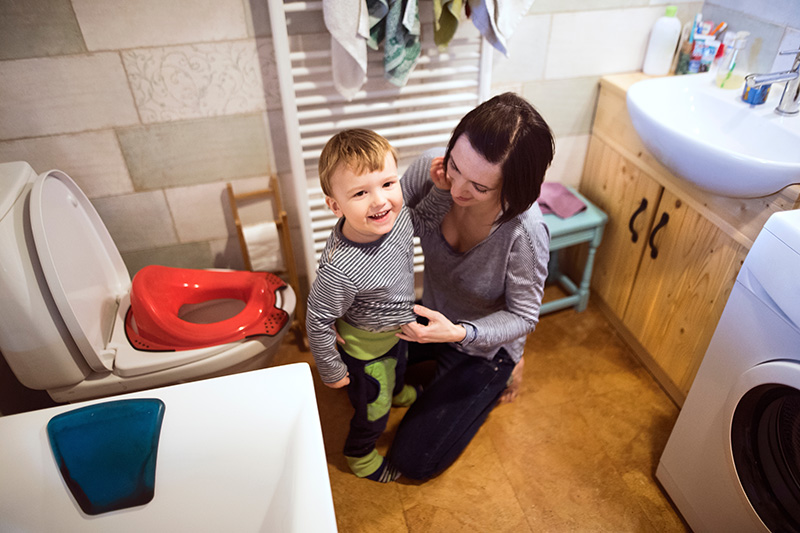
Children’s is using telehealth to answer parents’ questions about bathroom habits. (Stock photo)

For families of children with bladder and bowel dysfunction, the journey to care at Children’s of Alabama can involve a long drive, a crowded waiting room, and the worry that the problem was serious—only to be told that what their child needs most is better bathroom habits.

“We have a really wide catchment area,” said Children’s chief of pediatric urology Stacy Tanaka, M.D. “Sometimes we were seeing families coming in from the coast. They had driven three-and-a-half, four hours.” By the time they arrived, parked and waited, an entire day was lost and the advice they received was, well, less than earth-shattering.

“They get here, and you tell them, ‘Hey, you just need to urinate and poop a little bit better,’” she said. “It doesn’t go over that well sometimes.” In fact, it could have been handled by a phone call.

Today, that’s essentially how they handle it. Tanaka and nurse practitioner Kelsey Boswell Moore, CRNP, see more than 20 patients each week via telehealth.

The program launched in early 2025, partly out of necessity. “We were transitioning and were a bit understaffed,” Tanaka said. “We started it just as a ‘let’s try to get as many patients seen as possible.’”

What began as a staffing solution quickly became a new model of care.

One reason it works so well is that most children with bladder and bowel dysfunction improve just from counseling and conservative management on better bladder habits and better bowel habits. They don’t even require prescription medication. If any red flags pop up, such as a child who had back surgery or is having urinary tract infections with fever, the team brings them in for a face-to-face consultation. “Those are signals we need to see you sooner,” Tanaka said.

For most families, all it takes is talking and instructions.

“A lot of times they’ve never really paid attention to how often they’re going to the bathroom,” said Moore, who conducts most of the telehealth visits. “They’ll say they have urgency, or that they can’t hold it, but then you realize they’re waiting until the last minute every time.”

Telehealth makes it easier to explore those details.

“They’re sitting in their living room,” Tanaka said. “It’s a more relaxed environment. All the other distractions really go away. In that relaxed environment, it’s easier to talk about how often they’re going, when they’re going and what’s really happening,” she said.

“Sometimes they say they’ve done everything,” she said. “But the child is still drinking fluids late at night or didn’t actually go to the bathroom before bed.”

And for those who do need to be seen in person, the telehealth visit allows Moore and Tanaka to prepare for the appointment by ordering any necessary tests, which increases efficiency.

If families still want to be seen in the office or have the child undergo imaging, “We can absolutely do that,” Tanaka said. “We can rule out the scary things, and then it becomes easier to continue with telehealth knowing everything looks okay.”

“This only works if the patient and parent are engaged,” she added. “If they don’t feel right about the plan, it’s not going to work.”

And it does work. For instance, consider the 8-year-old boy with enuresis. The problem became obvious after a brief telehealth visit.

“When he woke up in the morning, he didn’t go to the restroom,” Tanaka said. “He would eat breakfast, get dressed, and the first time he went was at school.” The child had trained himself to ignore bladder signals.

The solution? A schedule. Go first thing in the morning and use the restroom at planned times during the day. Also, alert the teacher. Four weeks later, the problem was resolved.

“That family never had to step foot in the hospital,” Tanaka said.

Which, of course, is the goal.
Cardiology

Children’s of Alabama’s interstage home monitoring program growing

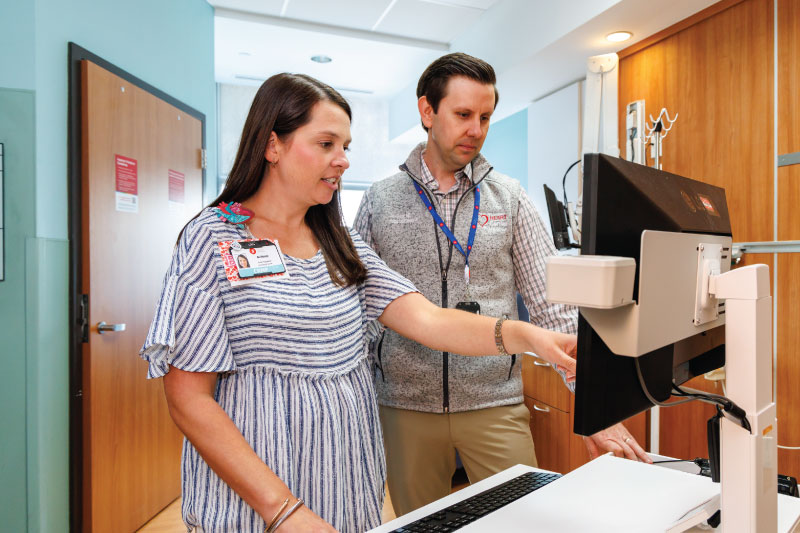
Brittany Abercrombie, NP, and Alan Brock, M.D., discuss the progress of a patient in the Hearts at Home program.

As the reputation of the Children’s of Alabama Pediatric and Congenital Heart Center of Alabama has grown, so has the success of its programs. Case in point—Hearts at Home, an interstage home monitoring program for any patient with single ventricle physiology who has undergone their first palliation procedure. In the last five years, the program has seen steady growth in the number of these patients, and leaders say the center’s reputation is among the reasons why.

“I think as a heart center in general, we’ve just had an influx of patients,” said Brittney Abercrombie, a nurse practitioner and the coordinator of Hearts at Home. “And so by default, that means that we are having more interstage patients.”

When Abercrombie moved into her role five years ago, Hearts at Home was caring for six to eight patients at a time. Now, she says they typically have about 13. Yearly, the program follows as many as 30, compared with 23-25 when she began. In the last couple of years, they’ve attracted more patients from outside Alabama, including children from Georgia, Tennessee and the Pensacola, Florida, area. Some of the program’s patients chose Children’s over other options in the region.

“I think they recognize that our outcomes here are some of the best in the Southeast,” said Alan Brock, M.D., the program’s medical coordinator. “And when they have the opportunity to look around and pick which program they want, I think patients are choosing us.”

As a result of the program’s success, hypoplastic left heart syndrome—a condition that brings many patients to the program—has become one of the most common forms of single ventricle congenital heart disease the hospital treats, Brock added. “I think it’s because we’re getting better at what we do and we’re saving a lot more lives now,” he said. “That is part of the reason that there are more patients coming into our program.”

What is Hearts at Home?

Through the Hearts at Home program, the families of patients with hypoplastic left heart syndrome and other forms of single ventricle congenital heart disease have access to education and technology that helps them to monitor and track their child’s heart health at home during the period between their first and second stages of palliation—procedures designed to repair their congenital heart defect. This time is tenuous for the child and often stressful for the parents, requiring a great deal of medical management, including monitoring, medications, adhering to strict feeding regimens, checking vital signs and having emergency access to equipment. “I think especially for these first-time parents, they don’t know what’s normal and what’s not,” Abercrombie said. “They’re not only learning to parent, but they’re learning how to parent a medically fragile child, so I think that’s a big challenge for them.”

There’s also the threat of morbidity, which is what led to the creation of interstage monitoring programs. The effort began in 2008 with the formation of the National Pediatric Cardiology Quality Improvement Collaborative (NPC-QIC). Since then, interstage monitoring programs across the country have succeeded tremendously, dropping the interstage mortality rate by more than 40%, Brock said.

The programs are effective because of their focus on education, data and communication. The work begins before a family even leaves the hospital. While there, they go through extensive training to help them understand their child’s condition, how to manage it and the warning signs that might arise. Once they’re home, they track all of their child’s vitals—specifically heart rate, oxygen and saturations—through an app called Locus Health. This data is accessible by the patient’s care team, giving them a look at the patient’s trends and helping them to quickly identify any problems. “It helps us see the whole picture while they’re at home,” Abercrombie said. If any issues do arise, the family can connect with the care team via messages through the app, and providers can even use the app for telehealth appointments, if necessary.

In one case at Children’s, monitoring may have saved a child’s life. Abercrombie says the team detected a change in heart rate and some feeding intolerance, which, combined with the patient’s trends, indicated they needed medical attention. The team called the mom, got the patient in for a visit and prevented a medication overdose. “If we didn’t have [the monitoring], there’s a good chance that could have ended up in a mortality,” Abercrombie said.

The team

The Hearts at Home team includes, in addition to Abercrombie and Brock, cardiologists who see most of the interstage patients, a nutritionist who specializes in cardiovascular disease, a social worker and speech therapists. Nurse practitioners or intensivists are available to answer parents’ questions 24 hours a day, which can be reassuring. “It is just a very small group of people that are caring for these patients day in and day out, along with the family,” Abercrombie said. “And so I think that they feel a lot of comfort and confidence in knowing that there’s someone there to talk with them and help them throughout the day.”

This frequent communication can lead to close relationships between the parents and the care team—so much that when the child eventually “graduates” from the program (after having their second palliation procedure) and no longer has the same level of access to the team, the achievement is often bittersweet.

“It’s a good thing,” Abercrombie explains to the parents. “It means your baby has a much more stable heart. You shouldn’t need us as much. They can do a lot more normal baby things.”

“But [the parents] do have a little bit of sadness about losing kind of that access,” she added.

When a new patient enters the program, the team contacts their pediatrician to share information about the patient’s condition and explain how the program works and what to expect. They also reach to local EMS in the patient’s community to inform them that a congenital heart disease patient lives nearby so they’ll be prepared in case there’s ever an emergency.

Going forward, the program may expand to older patients. Brock hopes to focus future efforts on neurodevelopmental outcomes and “how these kids develop throughout the course of their single ventricle life,” he said. Nationally, the NPC-QIC recently merged with the Fontan Outcomes Network to form Single Ventricle One (SV-ONE) in an effort to follow these patients beyond their palliation procedures into their teens and beyond.

Behavioral Health

Children’s of Alabama offering mental health training for school personnel

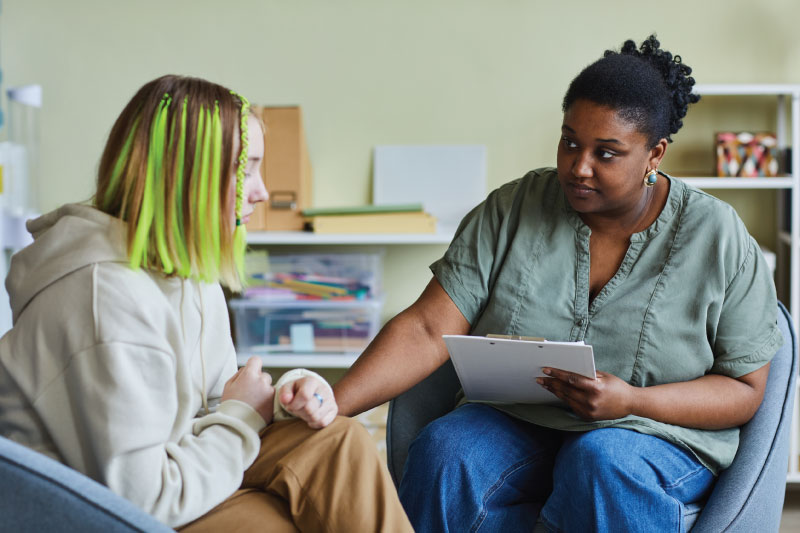
School personnel are often the first to recognize a student’s mental health needs. (Stock photo)

As the mental health crisis continues across the country, children and teens are in greater need of mental health services than ever before. In many cases, the first person to recognize the child’s need is a teacher. But the teacher may not always know how to help. That’s why Children’s of Alabama recently expanded one of its mental health programs to offer training for school personnel.

The program, Pediatric Access to Telemental Health Services (PATHS), has been around since 2019. Children’s established it—with support and funding from the Alabama Department of Mental Health (ADMH)—in response to the need for more mental health services, especially in rural areas. The initial goal was to help primary care providers understand how to help patients who present with mental health concerns. Through the program, Children’s mental health professionals offer consults or education for providers or even telehealth appointments for their patients.

PATHS has since expanded into urban areas, and now, thanks to the extension of a Health Resources and Services Administration (HRSA) grant, Children’s is offering support to school systems across the state.

“This is an important step for our program,” PATHS director Margo Harwell, LICSW, PIP, said. “Because they see students daily, school personnel play a critical role in identifying early signs of mental health concerns in students.”

How it Works

When the PATHS team decided to expand their services to schools, they immediately realized their assistance would differ from what they offer medical centers. Providing on-the-spot consulting for teachers and administrators wouldn’t work, nor would telemedicine appointments. What they could provide, however, was education.

They began their efforts in the summer of 2024, meeting with mental health coordinators in school systems across Alabama to discuss what topics might need to be covered in their respective districts. Once those needs were identified, PATHS leaders set up in-person, virtual or hybrid training sessions.

Margo Harwell, LICSW, PIP

“We have found that every school system is unique and has different training needs,” Harwell said. “For example, if schools mention that they have had an increased number of students experiencing anxiety, we can partner with that school to provide a targeted training that is focused on strategies to help students manage their anxiety within the school environment.”

PATHS leaders have offered training on that topic and others, including behavior management, depression, trauma and bullying. They’ve also taught educators how to identify the red flags of mental health concerns among students.

The focus is, of course, on how to help students. But educators’ mental health needs are crucial, too. To help with that, the PATHS team offers sessions on self-care. “If a teacher or counselor isn’t caring for themselves, it becomes much harder to have the patience and emotional capacity needed to identify and support a child facing mental health challenges or coming from a background of trauma—especially when those students might be exhibiting challenging behaviors,” Harwell said. By practicing better self-care, school personnel may be more likely to recognize that the child who’s acting out may actually be in need of support, she added.

The sessions, whatever the topic, are opportunities for discussion among school staff and Children’s mental health experts. “Training sessions include conversations about intervention strategies and guidance on how to help and support students within the school setting who may be experiencing mental health challenges,” Harwell said. Ultimately, they hope to help educators understand how to handle these issues as they arise.

Right now, the team is offering training sessions to teachers and counselors. Eventually, they may offer them to support staff or administrators, who often develop close relationships with students, Harwell says. “Think about bus drivers, for example. In many cases, they’re the first person to see a student each morning,” she pointed out. “Some students have the same bus driver for years, so they get to know them and may share their feelings or thoughts. This gives them insight into the child’s concerns or emotional state.”

More on the HRSA grant

The PATHS program exists because of a HRSA grant awarded to ADMH. The grant is a Pediatric Mental Health Care Access Program (PMHCA) grant, which Children’s helped write. The hospital receives the majority of the money awarded through the grant, which was originally approved in 2018, then extended in 2023. “These grants have been monumental to the building of this program and really sustaining it thus far,” Harwell said.

With the initial grant, Children’s started PATHS and began enrolling primary care practices. Today, 128 practices are enrolled. “The funding has been instrumental in being able to do that,” Harwell added.

The partnership with ADMH also has been vital. The organization offers guidance and facilitates collaboration with the other states and organizations through the HRSA network of PMHCA awardees. “This continually challenges us to look at how we’re doing, what we do and how we can continue to improve our program and our processes.”

The next step

The program’s next improvement may involve expansion into rural emergency departments (EDs). PATHS leaders already have initiated conversations with a few around Alabama. Harwell says the PATHS team hopes to offer access to their consultation lines to extend support if the ED has a child who arrives with mental health concerns. The goal, Harwell says, is not to intervene in situations of acute crisis—that is outside the role of PATHS. “But if a child is in a rural ED and needs to stay for a few days due to, say, lack of available beds, and there are concerns about mild to moderate mental health issues, we want to offer consultation services to support that child’s care,” Harwell said.

The impact

As the PATHS team keeps an eye toward the future, they’re also aware of how far they’ve come. Mental health care is difficult in Alabama—the non-profit Mental Health America (MHA) in 2019, the year PATHS was founded, ranked the state 7th in prevalence of mental illness among youth and 45th in youth access to care. By 2024, when MHA released its most recent rankings, Alabama had dropped to 14th in youth prevalence of mental illness and risen to 36th in youth access to care. Multiple factors have played a role in the improvements, and Harwell says PATHS is one. “Our state has really taken steps forward,” she said. “I happen to believe the PATHS program has helped with that.”

Behavioral Health

Bridging the mental health gap for children in Alabama

The PATHS program at Children’s of Alabama is helping connect patients with mental health providers more quickly.

The United States is experiencing a crisis regarding children’s mental health, with many emergency rooms overwhelmed with urgent mental health visits.1 Adding to the crisis, said Children’s of Alabama child psychiatrist Vinita Yalamanchili, M.D., is a severe shortage of pediatric psychiatrists and other mental health providers, particularly in rural areas.

“The mental health needs of children have increased exponentially,” she said. “There’s just no way we can match those needs.”

Pediatric Access to Telemental Health Services (PATHS) at Children’s is designed to address both issues. The program is dedicated to increasing primary care providers’ ability to diagnose, treat and manage mild-to-moderate behavioral health conditions in children and adolescents.

Vinita Yalamanchili, M.D.

“It can take three to six months to see a therapist or psychiatrist,” Yalamanchili said. But waiting that long for treatment means kids in crisis are at risk of self-harm. With PATHS, they can get expert care from their primary care provider, often within 24 hours.

Primary care practices enroll with the program and receive access to the PATHS team, which includes child/adolescent psychiatrists and psychologists, psychiatric nurse practitioners, licensed clinical social workers and licensed professional counselors. In return, they agree to start behavioral health screenings for well-child visits and report results to PATHS; participate in one-hour, bi-weekly educational sessions on pediatric and adolescent mental health issues; and maintain ongoing responsibility for their patients’ behavioral health care and treatment.

Providers call PATHS when they have a patient who needs additional assistance. After an initial consult with a social worker, they are directed to the most appropriate team member to help. Yalamanchili, for instance, is usually the point person for medications. “I will tell the provider exactly how to prescribe the medicine and give them different options,” she said. For children who don’t need medication, the provider may talk to an early development specialist or a psychologist for information about topics like sleep training or behavioral management.

“You’re providing a consult for the provider to assist them in helping this child,” Yalamanchili said.

If the child needs more intensive care, they can interact directly with one of the PATHS specialists from their primary care office via telehealth. “This allows a patient not to have to come to Birmingham to see us,” she said. “It’s a really nice bridge until a local psychiatrist can see them.”

Initially founded to help rural practitioners, PATHS now works with providers throughout the state, even those just a few miles away. “They have the same waiting time of three to six months for psychiatric care,” Yalamanchili said. PATHS can continually extend its reach, she said, because as providers gain more education and confidence, they need fewer consults, freeing space for more practices.

“Because we also provide education, I think a pediatrician may not call me for a while because they’ll say, ‘Well, you’ve taught me enough that now I feel comfortable doing this on my own,’ ” she said.

The PATHS team also provides information about mental health specialists in the practice’s area.

“It’s actually one of my favorite jobs, because I am providing care very quickly to children,” Yalamanchili said. “And the pediatricians are just so grateful for these services.”

  1. Sorter M, Stark LJ, Glauser T, McClure J, Pestian J, Junger K, Cheng TL. Addressing the Pediatric Mental Health Crisis: Moving from a Reactive to a Proactive System of Care. J Pediatr. 2023 May 13:113479. ↩︎
Cardiology, Inside Pediatrics

Discharged with an iPad: Children’s of Alabama Uses Telehealth to Monitor Complex Heart Patients at Home

Telehealth_WEB

Children’s of Alabama has partnered with Locus Health to provide a special iPad app that connects parents with nurse practitioners who treat infants who have undergone complex surgery.

Babies born with a single ventricle must undergo three major open-heart surgeries by the time they are toddlers. The first and most complex surgery occurs at 1 to 2 weeks; the second between 4 and 12 months. The months spent at home between the two can be overwhelming for parents.

Now families served at Children’s of Alabama have a new tool to help them cope – an iPad containing a special app from Locus Health, a Charlottesville, Virginia-based company that develops software to ease the discharge process and transition from hospital to home. The app forms the core of a remote monitoring system that connects parents with the nurse practitioners at Children’s of Alabama who care for their infants.

“These parents have been through a tremendous amount of stress,” said Katelyn Staley, discharge coordinator for Cardiovascular Services at Children’s of Alabama. “Not only do they have a newborn, but the baby requires major open-heart surgery in that first week or two of life. Then they are discharged home; it’s an overwhelming process,” she said.

“The Locus platform was designed specifically for the pediatric patient population with congenital heart disease,” said Sarah Blair, RN, MSN, CRNP, of Children’s of Alabama’s Hearts at Home Program. More than a dozen of the country’s leading children’s hospitals now use the system, which studies find can reduce post-discharge emergency room visits as much as 40 percent and the total hospital days by up to two weeks.

Children’s of Alabama had been using another electronic program, but it was cumbersome, not user-friendly and difficult to extract data from. Before that, all data was collected the old-fashioned way – with paper and pencil.

With the Locus app, parents enter their child’s daily weight, oxygen saturation, heart rate, number of diapers, Synagis dosing and nutritional intake, noting if there is any vomiting or diarrhea. They can also upload photos and videos.

Timely information is critical. For instance, weight gain is vitally important because if the baby stops gaining or loses weight the team needs to intervene quickly before complications occur. In addition, values can be individualized for each infant depending on their medical status. “If a parent enters an out-of-range value it creates a red flag and prompts the caregiver to call the hospital immediately,” Staley said.

The data automatically populates the congenital heart clinical dashboard, which nurse practitioners and clinical nutritionists monitor. Parents can also see current and past data and even track trends across time, Blair said. Data can also be downloaded into a PDF and emailed to physicians.

The remote monitoring is also beneficial since many patients live hours from the hospital and may be followed by a local cardiologist. “Now we can share the information with the cardiologist where they live,” she said.

“It definitely keeps us in constant communication with the families,” Blair said. “We still call and talk to them, but it relieves some of that pressure.”

“Sending families home with the reassurance that nurse practitioners are logging into the system on a daily basis and that they have 24/7 access to a provider is very reassuring,” Staley said.

Nephrology

Telenephrology: Bringing the Nephrologist to the Patient—Virtually

Nephrology_Telemedicine

With only six pediatric nephrologists in the state, families must often drive hundreds of miles—and many times stay overnight—for appointments with Children’s of Alabama physicians. In fact, 48 percent of the hospital’s transplantation patients come from more than 100 miles for each appointment, and 32 percent  from more than 200 miles, said Daniel Feig, M.D., Ph.D., who directs the pediatric nephrology and renal transplantation program.

“It’s more than a slight challenge to get here,” Feig said.  “It entails missed school and work and the cost of getting back and forth.”

And that, in turn, can compromise the quality of care or even lead to missed opportunities for care.

Now, however, families can “see” a doctor just a few miles from home thanks to the practice’s new telenephrology program. The program, which began in June, builds on the success of the adult telenephrology program for dialysis patients started by Director of Telehealth Eric L. Wallace, M.D. in collaboration with the Alabama Department of Public Health. It involves teaming with the public health department in each of the state’s 67 counties to see patients remotely.

“So all families are within 25 miles of a site of care,” said Feig.

Families Appreciate the Convenience

To date, seven patients have been seen a total of 16 times remotely.

“Every family said they would like to continue the remote visits,” Feig said.

The primary difference in the visits, of course, is that the patient and doctor are not in the same place. Other than that, nearly everything else is the same. Lab and radiology tests are obtained before the visit so the doctor can evaluate them prior to meeting; a high-resolution camera enables the physician to examine the skin, mouth and ears; and Bluetooth technology allows for a heart and lung exam. A nurse in the room facilitates the exam.

“What we lose is the physical feel of the belly exam or the pulse,” Feig said.

This is why patients chosen for telehealth are those who are most amenable to visual exam evaluations.

Still, nephrologists deliberately started the program with renal transplant patients—“the most complex patients possible, said Feig. These patients see a multitude of providers when they come to the on-site clinic, including the pharmacist, child life and social workers, the transplant nurse and transplant counselor – all of whom participate in the virtual visit.

“If we can manage the most complex patients through telemedicine, we can leverage the scale to those who need less in the way of specific practitioners involved in the visit,” Feig said.

Moving forward, Feig and Wallace said they plan to significantly increase the number of patients seen, including first-time patients. Challenges include not only the physical infrastructure, but training staff to schedule telehealth visits versus inpatient visits.

“A true telemedicine clinic is the goal,” Feig said.

Wallace agreed.

“For many in Alabama, the reality is that it is telehealth versus no care,” Wallace said.

For instance, 17 percent of families in Wilcox County do not own vehicles.

“A big part of telehealth is reaching people who would never have been able to be seen,” Wallace said.

Nephrology Research
Learn more about research conducted by Daniel Feig, M.D., Ph.D., and other nephrology specialists at https://www.childrensal.org/nephrologyresearch.