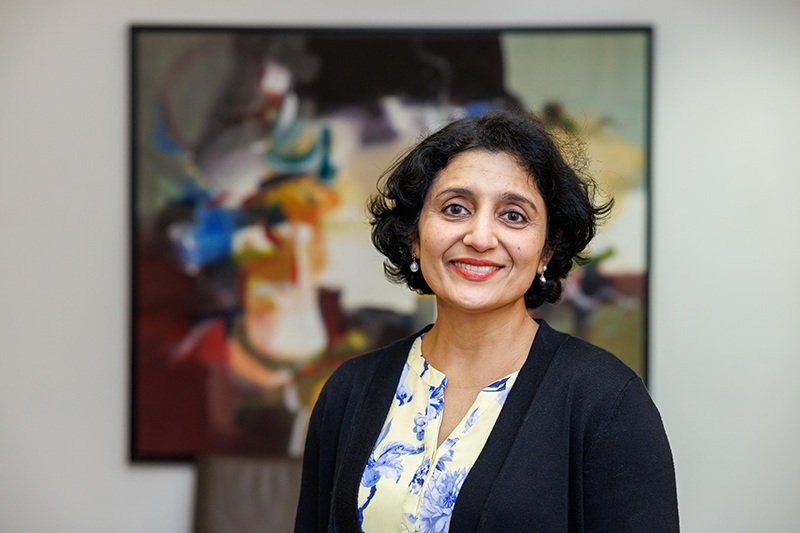
A study led by Ambika Ashraf, M.D., shows the unique challenges that patients with hybrid diabetes face.
A study led by Children’s of Alabama endocrinologist Ambika Ashraf, M.D., highlights the unique characteristics of hybrid diabetes (HD) or double diabetes, distinguishing it from both type 1 and type 2 diabetes. It is pivotal in understanding the different trajectories of diabetes in children and may pave the way for more targeted treatment strategies.
The study, titled “Children and Adolescents With Hybrid Diabetes: A Management Conundrum” is a retrospective analysis from 2016 to 2020, examining 102 subjects with type 1 diabetes (T1DM), hybrid diabetes (HD), and type 2 diabetes (T2DM). It was published in the journal Endocrine Practice.
Key findings of the study indicate that children with HD show a blend of autoimmune diabetes autoantibody positivity (a hallmark in T1DM) and insulin resistance (a hallmark of T2DM), creating a complex treatment and management scenario.
Researchers found that patients with HD were still insulin dependent at a two-year follow-up, like patients with T1DM. Patients with HD also had a strong positive family history of T2DM and preserved endogenous c-peptide production, like patients with T2DM.
“Our study findings underscore the need for healthcare providers to be vigilant in diagnosing and managing this distinct form of diabetes, which poses unique challenges due to its hybrid nature,” said Ashraf, who’s the director of the Division of Pediatric Endocrinology and Diabetes at the University of Alabama at Birmingham (UAB). “The study calls for further research to develop precision treatment strategies for pediatric patients with hybrid diabetes. Our team of researchers wants to encourage more research specifically on using insulin sensitizers and incretin based therapies.”
Other study authors included first author Charles A. Gagnon BS, UAB Heersink School of Medicine medical student, and Jessica Schmitt M.D., assistant professor in the Division of Pediatric Endocrinology and Diabetes.
In the Children’s of Alabama SHINE clinic, a multidisciplinary team take a holistic approach to helping patients with obesity.
About one in five children and adolescents in the U.S., representing nearly 15 million individuals, have obesity.[i] That puts the multidisciplinary Strategies for Health, Interventions, Nutrition, and Exercise (SHINE), clinic at Children’s of Alabama on the front lines of this complex issue. “It’s not just about weight loss,” pediatric endocrinologist Christy Foster, M.D., said. “We address the root causes of obesity and the various comorbidities associated with it. This holistic approach is vital for the long-term success of our patients.”
The clinic is run by adolescent medicine specialist Stephenie B. Wallace, M.D. In addition to Foster, the team includes a registered dietician, a physical therapist, an exercise physiologist and a social worker. Together, they create individualized plans for each patient focused on achievable goals.
Soon after starting in the clinic, Foster cared for a teenaged girl with obesity. The patient’s mother had type 2 diabetes, and the teenager had pre-diabetes. “Mom was just very worried and concerned for her,” Foster said. “But the girl was just very defeated. She felt it was her fault.” That’s not unusual, she said. “That’s one of the things that is tough around this condition. There’s a lot of shame and guilt.”
Christy Foster, M.D.
Foster assured the girl that her weight did not define who she was. She asked her to pick a goal to work toward. “She wanted to be a nurse,” she said. “So that became her motivation. I told her that if you want to take care of your patients, you have to take care of yourself first.”
When the teen returned for her next appointment, “she had such a light,” Foster said, and she’d started going to the gym. “There wasn’t a huge change all at once,” she said. “But she found the motivation. And that was one of the things she needed.”
The clinic’s philosophy is that obesity is a chronic disease, not a personal failing. “There are genetic, environmental, and psychological factors at play,” Foster said. “What I appreciate most about this clinic is our collective willingness to find creative solutions. We meet families where they are and tailor our recommendations to their unique circumstances. This adaptability is crucial for making a real difference in our patients’ lives.”
The clinic also emphasizes early intervention, encouraging primary care clinicians to refer patients before they develop the metabolic diseases of obesity, such as type 2 diabetes. “We now see that type 2 diabetes constitutes most of our new onset diabetes cases in children. This is a stark increase from a few decades ago,” Foster said.
New guidelines on childhood obesity from the American Academy of Pediatrics call for an aggressive approach to treatment, including pharmacotherapy and, in some situations, bariatric surgery. “We’re navigating these new recommendations carefully,” Foster said, “always weighing the benefits and potential risks. Cost is also a consideration, as insurance coverage varies.” In addition, the two newest weight-loss drugs, semaglutide and terzepatide, are only approved for use in adults, although they may be used off-label for children.
A Children’s of Alabama clinic offers a family-centered approach to prevent prediabetes from progressing to diabetes. (Stock photo)
A lag in care for children with obesity and its complications can spell the difference between prediabetes and a full-blown case of diabetes. Recognizing this, Children’s of Alabama pediatric nurse practitioner Grant Adams, CRNP—who has always had a “big heart for children struggling with obesity”—spearheaded a new clinic at Children’s to fill the gap.
The result is the Prediabetes and Metabolic Syndrome Clinic, which was established in late 2022 and runs half-days every Tuesday at the Children’s Diabetes and Endocrine Clinic. The clinic is meant to prevent delays in care for children referred by their pediatricians for prediabetes, weight management and related issues.
These young people face the high risk that their prediabetes will progress into diabetes, a disease which affects more than 350,000 children and adolescents under age 20 in the United States, according to the Centers for Disease Control and Prevention (CDC). Nearly 20% of children and adolescents nationwide cope with obesity, predisposing them to diabetes as well as other health conditions.
Children’s pediatric endocrinologist Christy Foster, M.D., assisted Adams in establishing the clinic, which also includes physicians, a registered dietitian and a social worker. The team aims to move “beyond the scale” with a family-centered approach that emphasizes healthy eating habits and movement as well as medication management.
“My vision was to instill habits that would be lifelong,” Adams said. “We want to reinforce that just because there’s a family history of diabetes, it’s certainly not inevitable.”
To that end, clinic visits—which take place every three to six months—deeply involve parents and other caregivers. While staff members closely monitor patients’ well-being and lab work, the resulting positive changes often have ripple effects on the entire family.
“Rather than doing more prescriptive-style medicine where everyone is assigned the same interventions, we work with families to see what can be reasonably done for and with them,” said endocrinologist Jessica Schmitt, M.D., an assistant professor in the Division of Pediatric Endocrinology and Diabetes at Children’s and the University of Alabama at Birmingham (UAB).
“At every visit, we talk about how food is fuel,” Adams added. “Regardless of a child’s age, it’s not their responsibility to buy and cook the food, especially if they’re not teenagers. They rely on a family approach—and families buy in.”
Even so, results are mixed. Some children and teens who visit the clinic improve their diets and lifestyles dramatically, with associated improvements in their weight, blood sugar levels, and problems such as high cholesterol.
“This is a lifelong commitment, not a diet,” Adams said. “It isn’t a sprint, it’s a marathon.
“If we can affect this generation, my vision is that their kids will be affected positively,” he added. “Obesity is a pandemic, and we’ve got to stop it somewhere. I’ve decided it needs to start with kids. This is a generational problem, and we can make a positive impact.”
Setmelanotide provides hope for patients with hypothalamic obesity.
Acquired hypothalamic obesity has long presented a complex challenge in healthcare, leaving pediatric patients struggling to lose weight. An innovative study involving a medication called setmelanotide aims to address this problem. Hussein Abdul-Latif, M.D., shed light on this groundbreaking research, offering insights into its origin, mechanism and potential impact.
Often arising from injuries or conditions affecting the hypothalamus, such as craniopharyngioma, acquired hypothalamic obesity makes it very difficult for pediatric patients to lose weight. There is also some evidence that slower metabolic rates and potential hormone deficiencies contribute to the problem in this specific patient population, along with other factors not fully understood yet.
Setmelanotide targets melanocortin receptors, which are crucial in regulating the body’s satiety signals. Abdul-Latif noted the medication’s impact on correcting the disrupted signals that lead to continuous hunger and reduced metabolism—two key factors contributing to this form of obesity.
“Our study is an extension of studies looking at the various genetic components to acquired hypothalamic obesity,” Abdul-Latif said. “We knew this medication was effective in treating obesity related to certain genetic conditions, so the next natural step was to consider whether it could be used for hypothalamic obesity resulting from injury to the hypothalamus.”
The ongoing phase three trial involves multiple sites, including Children’s of Alabama, enrolling patients up to 30 years old. So far, Children’s has recruited five patients to test the medication.
This trial utilizes a double-blinded method, where some participants receive the medication while others receive a placebo. Throughout the study period, researchers monitor each patient’s weight, satiety and skin pigmentation changes over a designated period. To date, only minor adverse events have been noted, including darkening of the skin and injection site issues.
Abdul-Latif also stressed the significance of this research in offering hope to those struggling with acquired hypothalamic obesity. He highlighted that this condition, previously perceived as challenging to treat effectively, now has a potential breakthrough. The medication provides promise for a segment of the population in need of more personalized solutions, hinting at a positive outlook for the future of treating this condition.
The clinical trial should end in April 2025. “At the end of the study, we give the medication to everybody regardless of their study cohort. That’s a nice incentive for prospective participants who may be desperate for something to help them lose weight,” Abdul-Latif said.
While the medication shows promise, Abdul-Latif emphasized the importance of exercise and hormone supplementation in conjunction with the treatment. The goal is to not only aid weight loss but also improve overall health and optimize the medication’s efficacy.
This groundbreaking research signifies a critical step forward in addressing acquired hypothalamic obesity. For participating patients, setmelanotide offers a newfound sense of hope. The ongoing clinical trial and subsequent FDA approval could signal a transformative breakthrough, marking a significant milestone in health care. As the study progresses, continued enrollment, diligent monitoring, and analysis of results will pave the way for a deeper understanding of setmelanotide’s efficacy and its potential to revolutionize the treatment of acquired hypothalamic obesity.
A study led by Gail J. Mick, M.D., shows promising results for treating new-onset cases of type 1 diabetes with GABA and GAD.
Could an over-the-counter supplement help save insulin production in new-onset type 1 diabetes? That’s the question pediatric endocrinologists Gail J. Mick, M.D., Kenneth McCormick, M.D. (now retired) and colleagues at Children’s of Alabama set out to explore. The answer, according to their recently published article in the journal Nature Communications,is, quite possibly.
The study explored the potential of the amino acid gamma-aminobutyric acid (GABA), found in health food stores, and glutamic acid decarboxylase (GAD), an enzyme that acts on glutamate to form GABA, to preserve pancreatic islet function.
GABA is an important neurotransmitter in the brain. However, it is also critical to insulin production, with GABA receptors found within the islet beta cells responsible for insulin production. Meanwhile, GAD converts abundant circulating glutamate from dietary protein and intestinal microbiota into GABA.
Animal studies showed their potential to stimulate insulin secretion, inhibit glucagon overproduction, dampen inflammation and promote beta cell regeneration. Still, getting a clinical trial approved in a pediatric population took years.
“Nobody does first-line studies in children,” Mick said. “For safety reasons, studies are typically conducted in adults, but in type 1 diabetes, adults differ from children. In children, the autoimmune destruction of insulin secretion is faster.
“It took a lot of luck, hope and a dream we were going to cure diabetes with something safe and oral” to get FDA approval for the trial, she said.
The study randomized 97 children (average age of 11) within five weeks of their diagnosis to oral GABA with or without a GAD-alum injection. However, the researchers were constrained to low doses of the compounds, given the FDA’s concern about potential side effects.
Although the study didn’t meet its primary goal of preserving beta cell insulin production, the GABA/GAD combination significantly reduced glucagon levels, improving blood sugar levels. The study also found lower levels of the inflammatory cytokine expression implicated in the pathogenesis of type 1 diabetes. There were no adverse effects.
“Not only did we see reduced glucagon, but there were also beneficial immunologic effects,” Mick said. “We’re delighted by that.” The immunology results were recently published in the journal Biomedicines.
The positive outcomes show enough promise that further studies with higher GABA doses are warranted, Mick said, perhaps in combination with other agents, such as GLP-1 receptor agonists, which also have beta-cell regeneration effects.
Cases of Type 2 diabetes are on the rise among minorities in the U.S.
By Emma Shepard (UAB)
The prevalence of Type 2 diabetes in youth is increasing in the U.S., primarily among minorities, with Black and Hispanic youth showing the greatest increase. Neither the reason for the increase nor the mechanism underlying the disproportionate risk in minority youth is known.
Researchers at Children’s of Alabama and the University of Alabama at Birmingham (UAB) have received more than $3.7 million from the National Institutes of Health to study the increasing prevalence of diabetes in youth as part of a nationwide consortium. Ambika Ashraf, M.D., director of the Division of Pediatric Endocrinology and Diabetes at Children’s of Alabama and UAB, and Barbara Gower, Ph.D., interim chair and professor in the UAB Department of Nutrition Sciences, will lead the UAB site.
The study is part of a project designed to identify the predictors of Type 2 diabetes in youth. UAB and Children’s, located in the U.S. diabetes belt and home to the UAB Comprehensive Diabetes Center and Diabetes Research Center, were collectively one of 15 institutions selected to participate.
“Our research aims to further understand health disparities in diabetes prevalence, as well as study the impact of particular risk factors on the conversion of prediabetes to Type 2 diabetes,” Ashraf said. “This knowledge would allow us to better treat children, especially minority children, who have prediabetes.”
Prediabetes is a serious health condition in which blood sugar levels are higher than normal, but not high enough yet to be diagnosed as Type 2 diabetes.
Over the course of the project, which will end in November 2027, researchers hope to enroll 1,500-3,000 youth who are at risk for diabetes. The main objective of the study is to identify factors that predict conversion to Type 2.
All participants will be non-diabetic, but at risk, at the time of recruitment and baseline testing. The team of researchers will record body composition, beta-cell function, insulin sensitivity, diet, physical activity, psycho-social factors, the intra-uterine environment, genetic polymorphisms related to diabetes risk and other factors that may affect risk for Type 2 diabetes.
Dr. Sajal Patel leads the Thyroid Nodule Clinic at Children’s of Alabama.
Pediatric endocrinologists at Children’s of Alabama are caring for children and adolescents with thyroid cancer in a leading-edge, multidisciplinary thyroid nodule clinic. Sajal Patel, M.D., and Nicole Barnes, M.D., take a multidisciplinary approach to assessing thyroid nodules and, if they are cancerous, managing them in conjunction with pediatric surgeons, nuclear medicine specialists and pathologists, along with their adult counterparts.
Thyroid cancer is rare in children, with a prevalence ranging from 4 to 5 per 100,000 compared with approximately 14.3 per 100,000 in adults. However, thyroid nodules in children are far more likely to be cancerous than in adults. The nodule clinic team meets regularly to review cases and optimize treatment plans. “This ensures that each patient receives the most suitable and personalized care,” Patel said.
The first step in treating thyroid cancer patients is surgery to remove all or part of the thyroid and any affected lymph nodes. This is followed, if needed, by radioactive iodine to destroy any remaining thyroid that may harbor small foci of cancer. After that comes continued surveillance through the clinic and management with thyroid hormone replacement.
“Thyroid cancer tends to be very slow spreading and localized, either within the thyroid or lymph nodes in the surrounding area,” Patel said. “It doesn’t typically metastasize.” For this reason, oncology is not a cornerstone of multidisciplinary thyroid cancer management. “When you need systemic treatments like immunotherapies or chemotherapy, then oncology gets pulled in.”
The disease typically manifests in the teenage years. When diagnosed in younger children, the team considers genetic cancer syndromes and does genetic testing to assess familial cancer risk. These syndromes include PTEN hamartoma tumor syndrome, DICER1 syndrome and multiple endocrine neoplasia syndrome. The team follows these cases closely, relying on pathology and genetics to analyze tissue samples and family histories.
The clinic is currently managing 10 to 15 children with thyroid cancer. The relatively large number of patients the clinic has followed over the years has contributed to a wealth of retrospective data, Patel said, which is vital given the rarity of the condition.
The clinic is involved in a collaborative project with Children’s Hospital of Philadelphia to establish a comprehensive thyroid cancer and nodule registry. The registry aims to provide long-term follow-up data, analyze treatment outcomes and gather information that can improve the care of pediatric thyroid cancer patients. “Currently, much of the knowledge in this field is derived from adult data,” Patel said, “making the need for dedicated pediatric research even more critical.”
Dr. Nicole Barnes’ clinic tackles the many endocrine-related challenges cancer survivors can face.
When pediatric endocrinologist Nicole Barnes, M.D., started at Children’s of Alabama in December 2021, it made sense for her to begin a clinic designed specifically for childhood cancer survivors, who often experience endocrine issues from their cancer or treatment. Barnes came to Children’s from St. Jude Children’s Research Hospital in Memphis, where she specialized in survivorship care.
“About 50% of children who are cancer survivors have at least one endocrine disorder,” she said. These endocrinopathies include growth hormone deficiency, disorders of puberty, thyroid abnormalities, poor bone mineral density and metabolic disorders. Some survivors are also at risk for infertility. Barnes started the Endocrine Care for Children with Cancer Clinic to address all these issues.
“Primary care physicians may not be accustomed to identifying endocrinopathies associated with survivors’ treatment exposures,” Barnes said. Even general pediatric endocrinologists may not be familiar with the clinical guidelines published by the Children’s Oncology Group for monitoring childhood cancer survivors. “We’re taught in training about cancer-related endocrine disorders, but until you’ve treated multiple children with cancer you may not fully appreciate the impact endocrine disorders can have,” she said.
One reason is the subtlety of the signs and symptoms. “For instance, a premenarchal 13-year-old female may not be concerning in the general population,” Barnes said. “However, a premenarchal 13-year-old female childhood cancer survivor exposed to total body irradiation and alkylating chemotherapy agents is at high risk for ovarian failure and should be monitored and treated accordingly.”
Barnes’ clinic currently meets twice monthly. So far, she has seen several patients during and after treatments. She hopes to coordinate more closely with oncology and the Children’s of Alabama Taking on Life after Cancer (TLC) Clinic—which provides a varied and multidisciplinary approach to managing the special needs of pediatric cancer survivors—in order to catch endocrine issues early.
She hopes to bring more attention to endocrine disorders in pediatric cancer survivors while educating clinicians and families that remission is not the end of a child’s cancer-related health journey. “Ongoing monitoring for growth, puberty, bone health and metabolism remains essential,” she said
“I enjoy treating these children and adolescents. They’re survivors,” Barnes said. “Although cancer may rob them of some of their potential, I have the opportunity to optimize their growth and development.”
Dr. Giovanna Beauchamp leads the Turner Syndrome Clinic at Children’s of Alabama.
Turner syndrome is a genetic condition that affects only females. Caused by a missing or partially missing X chromosome, it can lead to a variety of health and developmental challenges. For years now, Children’s of Alabama has been addressing the diverse needs of this population with its quarterly Turner Syndrome Clinic.
Pediatric endocrinologist Giovanna Beauchamp, M.D., runs the multidisciplinary clinic, which includes specialists in genetics, pediatric and adolescent gynecology, audiology, child life, nephrology, cardiology and social work. Patients range from infants through teenagers and are typically referred just after diagnosis.
The clinic model is crucial, Beauchamp said, because Turner syndrome impacts numerous body systems, as well as girls’ emotional health. Common issues include short stature, puberty and fertility problems, hearing loss, heart defects, thyroid disorders, diabetes risk, learning difficulties, anxiety and social struggles.
Treatments offered through the clinic include growth hormone injections to increase height, estrogen therapy to induce puberty, medications for endocrine problems like thyroid issues, and referrals for neuropsychiatric testing to identify learning needs.
The clinic’s social worker helps secure any necessary school accommodations, such as more time for test taking. However, Beauchamp said, “these girls are extremely bright. They can sometimes have a few struggles with math, but they tend to be pretty gifted with their language skills.” They may also have issues with focusing and a higher risk of attention deficit disorder, all of which the clinic team can help with. “It’s important to know if they have any learning differences that may need to be tackled with a little bit of extra help and support,” she said.
The child life specialist is particularly important, Beauchamp said. “A lot of our girls can have some anxiety and get nervous when it comes to their visits.” Plus, the visits typically last longer than routine endocrinology visits. But the child life specialist provides a variety of activities and games, such as drawing and arts and crafts, to keep them engaged and relaxed.
“We aim to be a one-stop shop to provide the best and most thorough care for girls with Turner syndrome,” Beauchamp said.
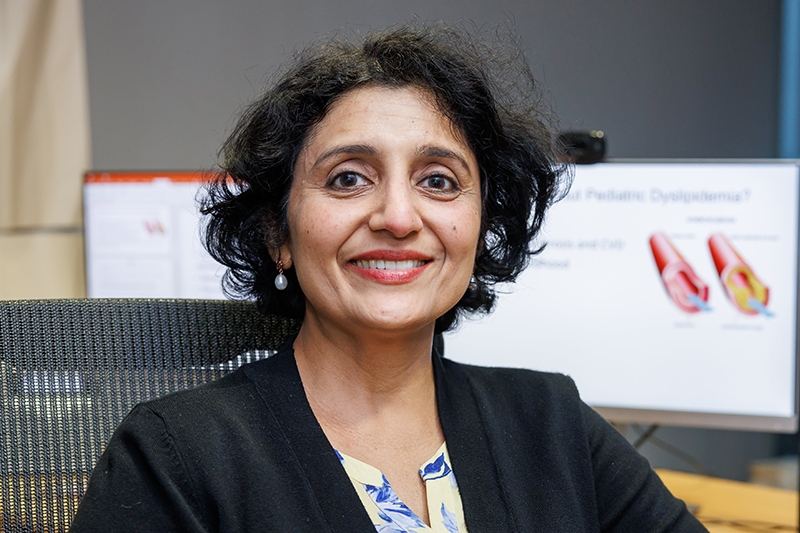
Dr. Ambika Ashraf is the director of pediatric endocrinology at Children’s of Alabama.
Through early intervention, the lipid clinic at Children’s of Alabama is aiming to give kids with lipid problems a shot at healthier adulthoods.
The clinic used to be hosted as part of the weight management clinic at Children’s until leaders realized that lipid problems are not limited to children with obesity. Ambika P Ashraf, M.D., director of pediatric endocrinology at Children’s of Alabama, runs the clinic with nurse practitioner Erin Tuanama, N.P., and pediatric endocrinologist Christy Foster, M.D. Patients also receive nutritional counseling, recommendations for physical activity and lifestyle changes and, depending on their condition, genetic and cardiology consultations. The clinic meets weekly, and the team currently follows more than 1,000 patients.
Twenty-percent of children between ages 12 and 19 have some type of lipid disorder, and that rate jumps to 42% in children who are obese.[i] Ashraf calls pediatric dyslipidemia “a no man’s land” because different pediatric subspecialists take care of children with the condition.
As the only pediatric lipid clinic in the state—and one of the largest directed by pediatric endocrinologists in the Southeast—Children’s sees patients with familial hypercholesterolemia (FH). This genetic disorder affects about one in every 250 people and dramatically increases their risk of premature heart disease. The clinic receives referrals from throughout the South and treats patients with rare, genetically linked types of dyslipidemia, such as familial chylomicronemia (FCS), severe hypertriglyceridemia, familial combined hyperlipidemia and sitosterolemia. “Lipid problems start early in childhood, and it’s very important to intervene in a timely manner to prevent the cardiovascular risk,” said Ashraf, who is board certified in lipidology and is a fellow of the National Lipid Association.
Early diagnosis is critical for early intervention, which can prevent the heart disease and stroke that dyslipidemia can bring later in life. At the clinic, patients with high triglycerides or combined dyslipidemia (high LDL and triglycerides) are primarily managed with diet and lifestyle changes. Losing just 5-10% of their body weight can normalize cholesterol levels in children with dyslipidemia resulting from obesity. Those with high LDL levels and those with FH often need medications, such as statins, and lifestyle changes.
Science proves that this early intervention can lead to a healthier adulthood. One study compared adults with FH who started a statin when they were children to their parents with FH who didn’t start a stain until middle age. Just 1% of those receiving early treatment had experienced cardiovascular events by age 39, and none had died of cardiovascular causes. Conversely, 26% of their parents had experienced cardiovascular events by age 39, and 7% had died from cardiovascular causes.
“In the past, a lot of pediatricians thought they didn’t have to treat lipid problems,” Ashraf said. “We used to think we could wait to treat these children. But we have a window of opportunity to prevent later events. We can’t wait.”
In 1991, the National Institutes of Health’s National Cholesterol Education Program recommended selective cholesterol screening of children with certain risk factors or those with FH. Twenty years later, recognizing the power of prevention and the growing epidemic of obesity in the pediatric population—which often results in dyslipidemia—the American Academy of Pediatrics (AAP) and the National Heart, Lung and Blood Institute (NHLBI) recommended universal screening for all children ages 9-11 and again between ages 17 and 21.The AAP also provided criteria for when children should see a lipid specialist versus managing the condition with diet and exercise.
The AAP and NHLBI also recommended screening children ages 2-10 if they have high-risk factors, such as parents or grandparents who had heart attacks or other cardiovascular diseases before age 55 (for men) or 65 (for women).
A recently published study found that nationally just 17% of healthy children were screened, while between 22% and 77% of children with high-risk heart conditions were screened. When Ashraf began directing the lipid clinic in 2006, only about 10-20% of local pediatricians adhered to the screening guidelines, she said. But after intensive education, including setting metrics, holding grand rounds and instituting an annual day of education, now more than half of Alabama pediatricians follow the recommended guidelines.
[i] May AL, Kuklina EV, Yoon, PW. Prevalence of Abnormal Lipid Levels Among Youths — United States, 1999—2006. MMWR. 2010; 59(02);29-33.