Browsing Category

Hematology and Oncology

Hematology and Oncology

Finding Novel Treatments for Cancer

The Developmental Therapeutics team at Children’s of Alabama is working to develop new treatments for children with cancer.

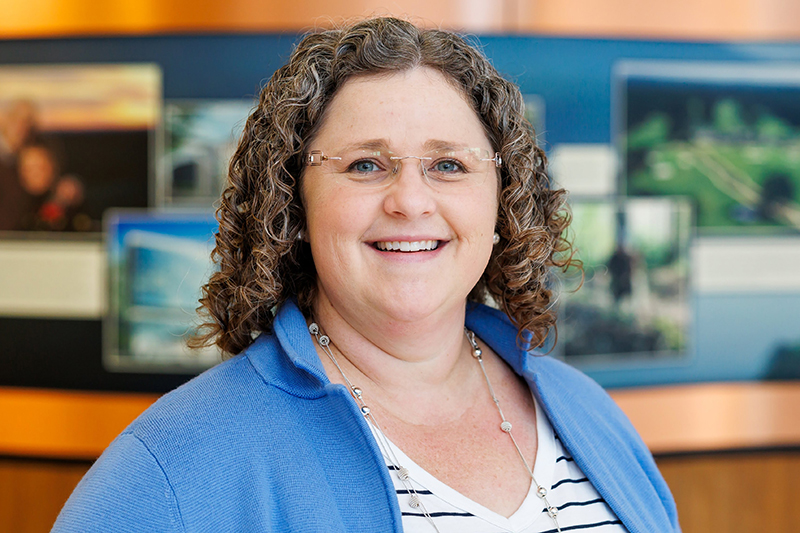
Having cancer is challenging enough for a child and their family, but when the standard treatments aren’t working, they find themselves searching for answers. As Director of Developmental Therapeutics at Children’s of Alabama and the University of Alabama at Birmingham (UAB), Jamie Aye, M.D., is responsible for finding those answers.

Aye was appointed to the position in August 2025 after serving as associate director since 2023. In her current role, she leads a team dedicated to developing more effective, less toxic therapies for children with cancer. In some cases, the cancers are rare; in other cases, the cancers are recurrent with no available curative treatment. Either way, developmental therapeutics provides hope for solutions.

“It provides the family with hope that we will discover newer options that their cancer hasn’t seen,” said Aye, who’s also an associate professor of Pediatrics at UAB.

The team achieves this through a two-pronged strategy. One prong involves working to develop new therapies for cases that are recurrent or difficult to treat. “It’s really hard to see a patient go through that,” Aye said. The other prong is developing less-toxic therapies that reduce immediate and long-term side effects—for example, “If we’re able to use a new immunotherapy in conjunction with radiation that allows us to give the radiation at a lower dose,” Aye said, “now that patient has a lower risk for a secondary cancer from radiation.”

The program has a history of success. A few years ago, Gregory Friedman, M.D., one of Aye’s predecessors, led a successful early phase trial that used a new type of immunotherapy to treat patients with recurrent or progressive brain tumors.  Friedman’s novel treatment was the result of an investigator-initiated trial, where the team takes the work its researchers are doing and turns it into a clinical trial. Developing these types of trials is the overarching goal of the program. And the research avenues are broad, Aye says, “from researchers within pharmacology, radiology, immunology or genetics,” to name a few. Aye works to bring these researchers together “so that hopefully we can see commonalities between the different projects that we’re working on, so that people aren’t siloed and can collaborate through either new technologies, new biomarkers to measure how much disease, new immunotherapies, or new ways of detecting disease by imaging,” she said.

Any type of research the team is doing has the potential to turn into an effective treatment. “It could even just be a pathway a researcher is investigating,” Aye said. “Hopefully through collaborations that we’re establishing, we can see how that pathway may relate to a particular cancer that we’re hoping to find a treatment for—and then from that, test a new therapy, and then if it works in the lab, seeing how we can get it to a patient.”

Collaborations are one of the keys to making these trials happen. As director of the program, Aye works to build relationships both near and far. Locally, she leads an annual research retreat to bring together researchers—both basic science and clinical researchers—to work on developing investigator-initiated trials using novel therapies. She developed this retreat during her time as associate director of the program. Nationally, she works with industry and pharmaceutical companies—to investigate new therapeutic options—and with consortia to add to the program’s portfolio of trials available to patients at Children’s and UAB.

Aye is already working toward more investigator initiated trials, “which, hopefully in the coming years, will come to fruition,” she said, to provide more options and more hope for children with cancer. “It’s why we do what we do,” she added. “Because we want to improve their outcomes and also find treatments that don’t leave them with lifelong side effects.”

Hematology and Oncology

King providing psychological help for patients with sickle cell

Kathryn King, Ph.D., leads a new program designed to help patients with sickle cell disease manage psychological challenges.

Pain is as much a part of sickle cell disease as white lights are a part of Christmas. It’s what lands kids in the emergency room and hospital; severely affects their quality of life; and leaves them constantly on guard lest it return.

Less visible—but just as real—are the emotional, cognitive, and psychological burdens that accumulate over years of living with the condition.

Now, Children’s of Alabama has a new program designed to address the non-physical aspects of the disease. Funded by a generous donor and developed by pediatric psychologist Kathryn “Kate” King, Ph.D., the program’s aim is to help kids with mental health issues related not only to their disease but to the stress of growing up in today’s world.  

“Our kids and teens with sickle cell experience a lot of different psychosocial issues,” King said. “But first and foremost, they’re kids and teens. There’s so much that comes up that’s not even related to their sickle cell. But then it ends up impacting their sickle cell.”

Like their peers, they experience anxiety, depressed mood, stress and the challenges of growing up. But layered on top is a disease marked by chronic pain, complex treatment regimens, frequent medical visits and, for some, cognitive effects related to the disease itself.

When Pain Becomes Chronic

Sickle cell pain is often thought of as acute flares that are treated and subside. But for many children and adolescents, King said, the pain becomes chronic. “It starts to become more frequent and the pain signaling becomes more like a faulty fire alarm,” she said, continuously going off even when there’s no smoke.

At that point, medication alone is often not enough.

So an important focus is boosting patients’ ability to cope with pain. That includes evidence-based strategies such as diaphragmatic breathing and guided imagery to calm the autonomic nervous system and reduce the intensity of pain signals.

And it works. Screening tools find patients’ pain scores dropping several points after using such strategies even before receiving pain medication, King said.

Equally important is helping kids and their families reframe the pain. Understanding when pain is severe enough to require escalation to the hospital and when it can be managed while continuing daily activities can reduce fear and help maintain normalcy.

Another focus is helping adolescents transition to self-management. This period during adolescence is known for high rates of treatment lapses and worsening outcomes as kids try to become more independent with this complex disease.

“They’re managing so many different treatments and medications” so adherence drops, King said. “It could be forgetfulness, because they can experience cognitive issues related to sickle cell, but sometimes it’s more about not wanting to feel different.”

King teaches her patients to use alarms and visual reminders to improve adherence, and she works with parents to help them understand when to hand over responsibility to their child. Some parents struggle to let go, she said, while others step back too quickly.

The goal is a gradual, scaffolded approach. “The parent can still function as the safety net, but the patient is progressively learning the needed skills to become their own safety net.”

King tries to see patients in conjunction with their medical appointments. She also follows them when they’re hospitalized and offers telehealth visits. With nearly 1,000 patients in Children’s sickle cell program and just one dedicated psychologist, however, demand far exceeds capacity. Currently, she sees about 20 patients a week, with plans to grow gradually.

“My goal is to extend to as many of those as I can,” she said. “But there’s just one of me.”

She’s also focused on tracking data for the program, including barriers and facilitators for care, as well as outcomes. She’d eventually like to publish on the program’s experience to help other hospitals start their own.

Hematology and Oncology

A New Chapter in Neurofibromatosis Care

Rebecca Brown, M.D., Ph.D., (left) and Katie Metrock, M.D., lead the Neurofibromatosis and Schwannomatosis Clinic at Children’s of Alabama.

Neurofibromatosis (NF) is a complex genetic disorder of the nervous system, marked by the growth of tumors—malignant and benign—along nerve sheath cells. In addition to tumor growth, it impacts nearly every organ, including the skin, eyes, heart and bones, and it causes neurological symptoms such as ADHD, speech disorders and learning disabilities.

There is no cure, although new treatments are emerging. Thus, it requires intensive management with a multidisciplinary team, which is exactly what the Neurofibromatosis and Schwannomatosis Clinic at Children’s of Alabama and the University of Alabama at Birmingham (UAB) offers.

Neuro-oncologist Rebecca Brown, M.D., Ph.D., directs the adult portion of the clinic, and pediatric neuro-oncologist Katie Metrock, M.D.,directs the pediatric side. The two work closely together, with Brown seeing patients as young as 12 and both teaming up to create a transitional program for children moving into adult care.

“The disease affects every aspect of these patients’ lives,” said Brown, who recently moved to UAB from Mt. Sinai Health System in New York City. “I tell people that I’m the most generalist sub-specialist that exists because NF experts are the only ones who really understand, pay attention to and address all these many aspects.”

“Even though they all have the same diagnosis of NF, every patient is different, and every family is a little different,” Metrock said. “So how do we approach care in a way that makes the most sense for each patient?”

For Brown, that means shifting the adult clinic from one that’s been focused on diagnosis, genetics and disease phenotype to one that can have a greater clinical impact on patients. “My focus is patient forward,” she said. “I’m interested in addressing the problems that patients experience, especially with regard to supportive care—including psychological care and pain management—and delivering the most recent recommendations for tumor surveillance and other health risk factors such as hypercholesterolemia, stroke and heart disease.” She also wants to bring more clinical trials to UAB to “try to push the envelope as far as developing novel therapies for their conditions.”

In addition, she offers a resection clinic to remove cutaneous tumors. After going through special training, she started it for two reasons. “The first is that patients have a difficult time finding a surgical specialist who has the interest and the bandwidth to remove these tumors,” she said. “And second is that the out-of-pocket costs can be prohibitive.” She can remove multiple tumors in a single 90-minute session, reducing both the financial burden and time commitment for patients.

On the pediatric side, non-medical specialists such as social workers, child life specialists and school liaisons provide the holistic level of support children and their families require. “There’s so much that needs to be to be managed outside of our clinic with these children,” Metrock said. “So the social worker and school liaison really help bridge the gaps between school and life.” The clinic also works closely with the Hope and Cope Psychosocial and Education Program to help address neurocognitive and mental health issues.

“We’re very committed to providing care for these patients, not just for their tumors, but for how the disease affects their life outside of our clinic,” Metrock said. “But I always felt we could grow. So I’m very excited that Dr. Brown is here and that we have a new push for what we can do for these families.”

That includes building on the existing multidisciplinary foundation and working on streamlining care for families so they don’t have visit the hospital—which might be hours away from their homes—for multiple appointments.

“They have other children, they have jobs, they have everything outside in life. And so, us asking them to ‘come back, come back,’ can be quite overwhelming,” Metrock said. “So, how can we streamline their care so that they’re getting the best care they can in a way that allows them to keep living their life away from clinic in the hospital?”

That involves bringing more clinicians interested in the condition into the clinic as well as expanding an already robust clinical research program.

Indeed, research is embedded in the mission of the clinic. UAB is the headquarters for the Neurofibromatosis Clinical Trials Consortium (NFCTC), which coordinates research across 24 sites internationally.

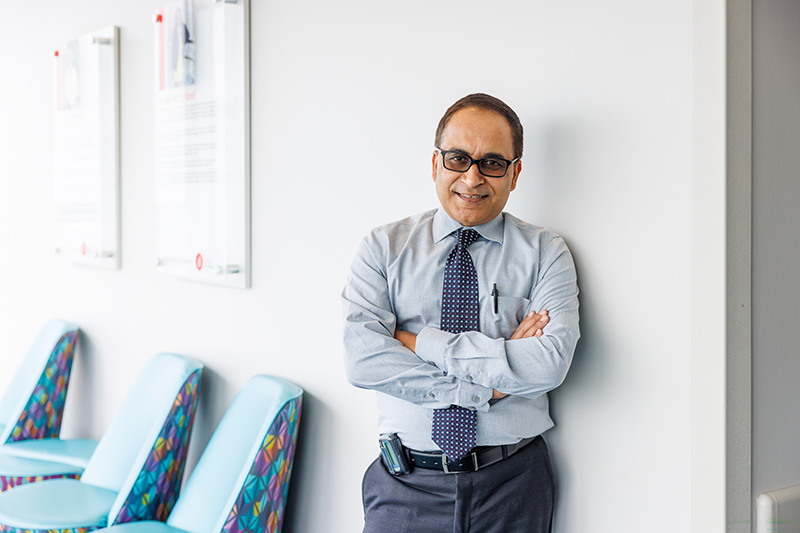
Girish Dhall, M.D., who directs the Division of Pediatric Hematology, Oncology and the Blood and Marrow Transplantation Program at Children’s, leads the consortium. Since its inception in 2006, it has grown from nine to 24 sites with more than 72 investigators, according to Karen Cole-Plourde, the NFCTC operations center program director. It has also launched 17 clinical trials involving more than 500 patients, with eight trials currently in development; published more than 19 peer-reviewed papers with five in progress; and landed more than $5 million in funding from pharmaceutical companies, foundations and government sources.

In addition, UAB boasts one of the world’s most robust neurofibromatosis genetic labs, which has identified more than 3,000 NF type 1 mutations.

The research team also played a crucial role in developing selumetinib, the first FDA-approved drug for NF, which blocks the action of an abnormal protein that signals tumors to grow. This can stop or slow tumor growth.

While selumetinib has been a major step forward, more fast-acting targeted therapies are needed, Brown said. “These patients can develop new and enlarging tumors in a relatively short period of time,” she added. “There is very much a need and value in finding medications that can stabilize or shrink those tumors over the long term.”

In the meantime, she and Metrock focus on proactive management. “We’re very proud of what we have here,” she said, “and are very aware of the responsibility we have to move forward for these patients.”

Hematology and Oncology

A New Chapter for Hope and Cope

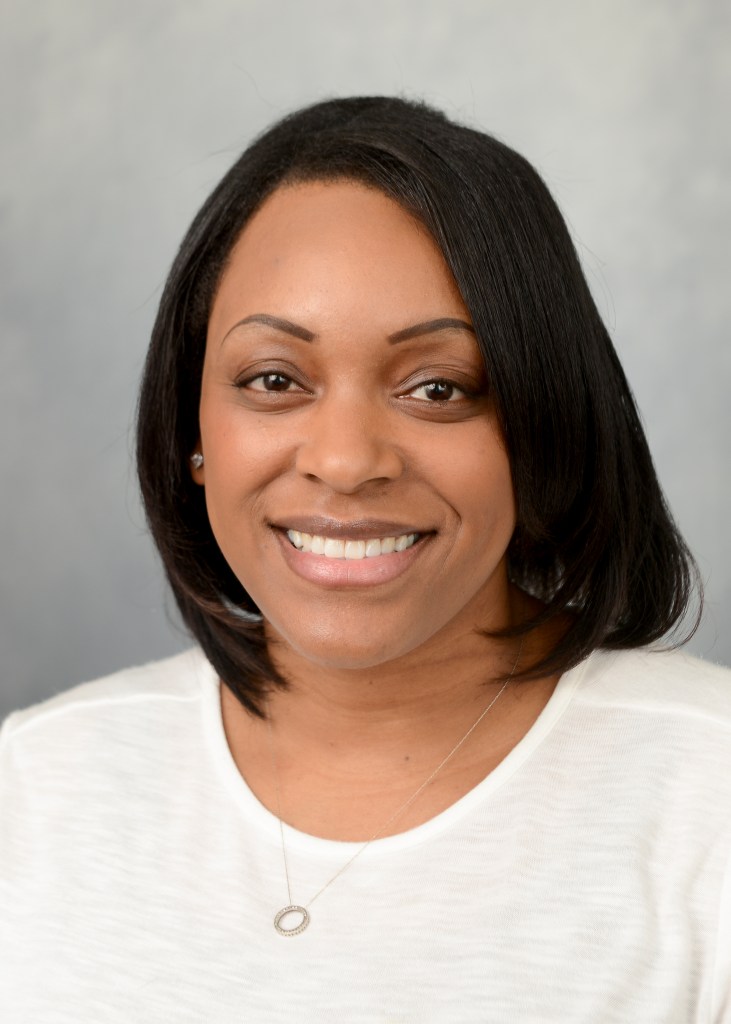
Kristin Canavera, Ph.D., aims to strengthen the Hope and Cope Psychosocial Program as its new director.

As Kristin Canavera, Ph.D., has settled in to her new role at Children’s of Alabama, she’s had a chance to meet with many of the patients her team serves. What she’s seen has not just impressed her—it has reinforced her ideas on how to improve their lives.

Canavera, an associate professor of pediatric hematology-oncology at Children’s and the University of Alabama at Birmingham (UAB), is taking over as the director of the Hope and Cope Psychosocial Program for the Division of Hematology, Oncology and the Blood and Marrow Transplantation Program. She arrived in the fall of 2024, and the patients she’s seen since then have left a mark on her.

“I think our kids are incredibly resilient, and they impress me every day with all they’ve gone through,” she said.

Canavera knows their struggles. A cancer diagnosis can be extremely challenging for both a child and their family—not just physically, but psychologically. “They’re dealing with real stressors,” she said. “There’s just a lot of support these families could benefit from.”

The psychological aspect of their experience is what she hopes to address and improve. It’s been the goal of the program since its inception, and Canavera says she’s lucky to inherit a program that’s robust and multidisciplinary. But she hopes to take it a step further.

“Given that psychosocial care is a critical component of overall health care for our pediatric hematology/oncology patients, my vision is to improve the integration of mental health care into the medical care of these patients,” she said. 

Canavera’s primary goal is to change the model of care from reactive to proactive. To that end, she plans to implement regular mental health screenings for patients diagnosed with cancer and blood disorders. These will take place at various times throughout the patient’s treatment journey.

Canavera plans to create psychoeducational materials designed to help the patients better understand the psychosocial services and interventions the program offers. 

She also wants to expand bereavement support services, including a parent mentor program, where experienced parents whose children have been in the hospital can support those newly navigating the medical system.

“Parents really want to talk to other parents who’ve been through it,” Canavera said. “That’s their best support. Even though I’ve worked with this population for several years, I haven’t walked in their shoes.”

Canavera also plans to expand services to traditionally underserved populations, particularly adolescents, young adults, and patients with sickle cell disease.

In all of her strategies, Canavera aims to take a family-centered approach, which she says will be crucial in strengthening and expanding psychosocial services.   

Hematology and Oncology

Expanding palliative care for cancer patients

Children’s is working to improve and expand palliative care for heart disease and cancer patients. (Stock photo)

Two patient deaths sadly stood out to Children’s of Alabama pediatric oncologist Emily Johnston, M.D, MS., when she was a pediatrics resident. Both were examples of how systemic and communication issues could thwart the goal of providing gravely ill children with the best death possible. Both fueled Johnston’s career trajectory.

In the six years since she joined Children’s, Johnston—also an assistant professor of pediatric hematology-oncology and a member of the Institute for Cancer Outcomes and Survivorship at University of Alabama at Birmingham (UAB)—has led efforts to significantly expand pediatric palliative care to more young patients. Before her tenure, only 23% of children dying of advanced heart disease and 58% of children dying of cancer at Children’s received palliative care, but she and colleagues have boosted those numbers by creating standard referral criteria for certain high-risk patients so they can get palliative care starting at diagnosis.

“Unfortunately, kids are dying whether I’m part of the process or not,” Johnston said. “But I’d like to make that better, and it’s really an honor to be with patients and families during the journey and learn from their incredible experiences.”

While pediatric palliative care is becoming better recognized, much variation still exists in how pediatric hospitals tend to view the subspecialty. Additionally, some pediatric specialists feel they don’t need help from pediatric palliative care, “not recognizing that it also offers symptom, spiritual and psychosocial support,” Johnston said.

“Providers get really anxious about introducing palliative care to families, thinking it’s going to take away from a family’s hope or impact their relationship with the patient,” she added. “But families, on the other hand, say it actually helps them with hope and that they wish they knew more about what palliative care does.”

Johnston’s research is helping to define quality end-of-life care and disparities around poverty, race, ethnicity and other factors that could potentially lead to targeted interventions. The biggest barrier she has faced centers around conducting bereaved parent research.

“We still face regulations from IRBs (institutional review boards) and funders that get really nervous that we’re causing harm by doing research, but data show parents want to participate and that it’s beneficial,” she said. “They have so much wisdom to offer, and the vast majority want to share their stories and improve end-of-life care for future children.”

By spearheading efforts to expand palliative care at Children’s, Johnston has won over many oncology providers who appreciate the additional support in caring for a patient population fraught with emotional and practical challenges. The process has also increased palliative care skills among oncology team members across all career levels at Children’s and UAB.

“We’ve learned a lot in the past 10 years about the best ways to have difficult conversations,” she said. “It’s not just younger attending physicians who have benefited from some of the learning about how to give difficult news in an evidence-based way.”

Ultimately, Johnston feels the efforts set Children’s and UAB apart from many other pediatric institutions across the country—most of which can’t represent patients from the South, many of whom are Black and live in rural areas. “I think we’re setting ourselves up as a leader in pediatric palliative care research,” she said.

Hematology and Oncology

Building a national leader in clinical trials

Since joining Children’s in 2019, Girish Dhall, M.D., has helped the hospital become a national leader for clinical trials.

When Girish Dhall, M.D., arrived at Children’s of Alabama in 2019, he inherited a division with a plethora of strengths: great facilities, compassionate physicians and a robust clinical trials program. He knew he was somewhere special. Still, he knew it could be better—a national destination center for research and clinical trials. That became his vision. As he began his new role as director of the Division of Hematology, Oncology, and the Blood and Marrow Transplantation Program, he immediately started work on one of his first objectives—expanding the clinical trials program.

Prior to Dhall’s arrival, the hospital offered many clinical trials through the Children’s Oncology Group—the largest consortium in the U.S.—for children who were newly diagnosed with cancer. For patients who had relapsed or had experienced progression of their disease, however, the options were limited. Dhall knew the hospital would need to join more consortia—groups of hospitals that collaborate to offer large-scale clinical trials that might be impossible for a single institution. For Children’s, joining more consortia would give patients access to a wider array of clinical trials.

Dhall and his team of experts began applying for membership in various consortia. Five years later, Children’s has more than doubled the number in which it is enrolled. “What that did,” Dhall said, “is gave us access, suddenly, to a large number of clinical trials for this group of patients that we didn’t have great options for.”

The benefits for Alabama and beyond

For children in Alabama with cancer, the new clinical trials are game-changing. Previously, patients may have had to travel out of state or even to another part of the country to access the trials they needed. “And that was only accessible for some families who have the resources to do it,” Dhall said. “For a large number of our patients, that was not possible.”

Now, those children have access to the same clinical trials without having to leave the state. That’s big even beyond Alabama. Dhall says patients come from Mississippi, Louisiana, North Florida and other parts of the Gulf Coast region for the trials. The hospital even gets referrals from other countries. “The impact of having access to these clinical trials is great for this region,” he said. “It’s a good challenge to have to accommodate all those patients and provide access. So I think it’s been great not just locally, but regionally as well.”

Jaxan’s story

For Jaxan Jernigan and his family, the new trials are already paying off. When he was 6 years old, he began experiencing headaches and seizures. At the local hospital in Pensacola, Florida, doctors discovered a large brain tumor. After a 14-hour surgery, they determined it was a high-grade aggressive tumor called a CNS embryonal tumor.

At Children’s, Dhall was leading the Head Start 4 clinical trial—one of the new trials added through his expansion efforts. Jaxan’s parents agreed to have him receive therapy on this trial, and he went through several rounds of intensive chemotherapy and three stem cell transplants followed by 30 days of brain and spinal irradiation. Nearly eight months later, Jaxan was considered to be in remission. Today, he’s back to an active life. “We owe so much of that to Dr. Dhall and the entire staff at Children’s,” Jaxan’s dad, Craig, said. “It was obvious that everyone at Children’s genuinely cares, and that’s truly inspiring.”

Head Start trial

The Head Start trial is just one example of the opportunities Dhall brought. It opened in 1990 and is currently in its fourth iteration, now involving more than 60 institutions across the U.S., Canada, Australia, New Zealand and Europe. Dhall is a national co-chair of the study.

“The idea behind Head Start is to give high-dose or intensive chemotherapy up front so that we can either avoid whole-brain irradiation completely for these infants and young children or be able to give really reduced dose and volume of irradiation,” Dhall said, “and keeping in mind that we want to maintain the survival that we see with irradiation, but with much less long-term side effects.”

Just in the last couple of years, researchers involved in Head Start have seen big results. At an international conference in Philadelphia in 2024, Dhall reported on a group of patients with SHH-activated medulloblastoma, a highly malignant brain tumor. Using the Head Start treatment strategy, doctors were able to cure more than 95% of the patients without using radiation therapy to the brain, Dhall said. “So that actually moves the field significantly forward,” he added.

Other trials

Treating brain tumors is just one of the program’s focal points. The hospital also has teams that specialize in blood disorders, leukemia and lymphoma, solid tumors such as kidney and liver cancer and more.

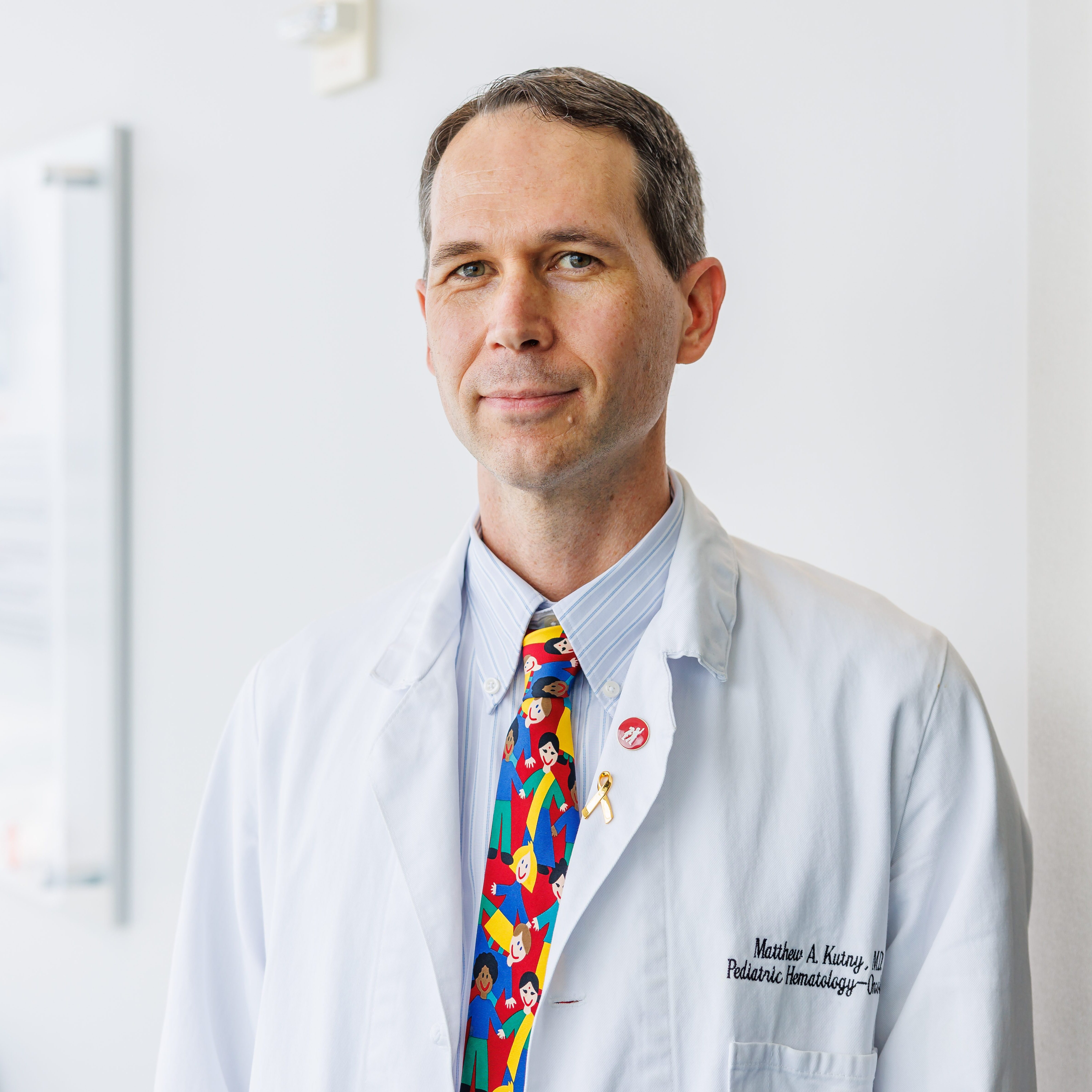
Matthew Kutny, M.D.

“So you can imagine the breadth of the trials that are involved,” said Matthew Kutny, M.D., director of the Children’s Pediatric Clinical Trials Office—a role Dhall held until he turned it over to Kutny in 2022. Since then, Kutny has continued to build the program and seen a lot of exciting developments, including the move toward targeted therapy and immunotherapy. These can allow patients, when possible, to avoid chemotherapy, which can damage healthy cells in the process of killing cancer cells. Targeted therapies zero in on the changes that occurred in the cells to make them cancerous. Kutny says these treatments have been successful against leukemia and solid tumors. Immunotherapy, on the other hand, engages a child’s immune system to fight off cancer as if it were an infection. “There are several exciting immunotherapy research projects that we’ve been able to participate in and lead here in Alabama,” Kutny said.

Children’s also performs bone marrow and stem cell transplants, which have proven life-saving for many patients. The stem cell transplant team offers CAR T-cell therapy, in which a patient’s own immune cells are taken into a lab and programmed to fight their cancer.

“We’ve been able to offer that to some of the children of Alabama here who otherwise would have had to go through those very intensive treatments with chemotherapy and stem cell transplant,” Kutny said. “And they’ve been able to respond to these new cellular therapies, and it’s really amazing to see how well they tolerate the treatments, and it’s been a great success in our era of oncology.”

A promising future

Because of the efforts of Dhall and Kutny, Children’s now has one of the nation’s largest clinical trial programs in pediatric oncology and hematology. “I’ve been really blessed to be a part of this team that has seen extreme growth over the last five years,” Kutny said.

More growth may be coming. Kutny says the team is actively expanding the number of consortia and partnerships with other hospitals. With cellular therapy and immunotherapy, they’re already offering an array of complicated, leading-edge trials. “We can offer, across a wide spectrum, the best clinical trials that are out there right here for patients in Alabama regardless of the type of disease that the patient is facing in oncology or hematology,” he said. “And that’s been great for the families of these patients to know that they come to Children’s of Alabama and they’re receiving the very best care that can be offered.”

In the process, they’re contributing to research that can help develop more advanced treatments. “We are making an impact, not just locally, but nationally and globally,” Dhall added.

Just the way he envisioned it when he first arrived.

Hematology and Oncology

Leading with a focus on the patient

Katie Metrock, M.D., manages one of the nation’s largest pediatric neuro-oncology programs at Children’s of Alabama.

According to data from the CDC, brain and spinal tumors are the leading cause of death among childhood cancer patients. Katie Metrock, M.D., director of the pediatric neuro-oncology program at Children’s of Alabama, says being diagnosed with one of these cancers is “one of the scariest things that can happen to a family.”

The program, which is part of the Alabama Center for Childhood Cancers and Blood Disorders at Children’s, is one of the largest in the U.S. It offers a focus on treating children and adolescents with brain and spinal cord tumors as well as neurofibromatosis, a genetic condition that predisposes children to tumors. It is a leading center for clinical studies and basic research into these conditions, and it offers a neuro-oncology fellowship. Metrock took over as director of the program in October 2023.

“It is my goal that every patient that comes through this door feels like they have a team of people that are fighting for them,” she said. “I don’t want any patient to ever feel like they’re alone or any family to feel like they needed more.”

For Metrock, the battle has a personal element to it. When she was young, her aunt developed a brain tumor, and Metrock remembers visiting her in the hospital. “I was very fascinated by all that was happening,” she said. Her aunt “did quite well,” she added, and the experience sparked her interest in the treatment of brain tumors. In college, that interest grew when she worked at a camp for children with cancer and met a young patient with a brain tumor.

“So when I went to medical school and residency, I tried to keep an open mind and looked at all the different types of fields,” Metrock said. “But I think ultimately I knew this is the space I wanted to be in—to help these children and to improve their treatment options.”

Now, that’s her daily goal. As the program’s director, she leads a team that includes four pediatric neuro-oncologists, three pediatric nurse practitioners, child life specialists, chaplains, social workers, neuropsychologists and researchers. They collaborate closely with neurosurgeons, neurologists, advanced/palliative care physicians and radiation oncologists to provide comprehensive care tailored to each patient’s needs.

“It takes all of us working together to help patients and their families through this entire process,” Metrock said. “Ever since coming here to Children’s, I have been blown away with the teamwork approach.”

The center’s mission extends to research, which is desperately needed, Metrock added. “We have to do better for these kids,” she said. “Making research at the forefront of our mission is huge.”

To that end, the program participates in several clinical trial research consortia, including the Children’s Oncology Group, the Pediatric Neuro-Oncology Consortium (PNOC), and the Sunshine Project. The partnerships allow Children’s to offer leading-edge clinical trials to patients while contributing to the broader advancement of the field.

For instance, researchers are investigating methods to deliver medications more effectively across the blood-brain barrier, which remains one of the greatest challenges to improving survival. They also are conducting clinical trials into less invasive, safer and more effective treatments for tumors like medulloblastoma, craniopharyngioma and germ-cell tumors. Additionally, they’re exploring vaccines to target high-grade gliomas.

The program is also expanding its educational reach globally. A new partnership with St. Jude Children’s Research Hospital aims to develop educational programs in neurofibromatosis for areas with limited expertise in treating neurofibromatosis-related tumors. The team also has a partnership with Washington University School of Medicine in St. Louis for a global neuro-oncology fellowship.

The primary focus, however, remains the child. “When a child comes in, the first thing we need to know is what type of tumor do they have and how do we treat it,” Metrock said. “But I think you can get tunnel vision with that. You really have to see that this is a child, and they have their whole life around them and then the life that they’re going to move forward with after this. So how do we meet them where they’re at and how do we help them move forward with the best success possible?” Those are the questions she aims to answer for each patient.

Hematology and Oncology

New researcher brings focus on DIPG treatment

Rintaro Hashizume, M.D., Ph.D., is researching intranasal delivery for DIPG medication.

In 2023, the University of Alabama at Birmingham (UAB) Department of Pediatrics welcomed Rintaro Hashizume, M.D., Ph.D., a scientist specializing in pediatric neuro-oncology. Hashizume, an associate professor of hematology and oncology, brings a commitment to pediatric brain tumor research, focusing specifically on the daunting challenge presented by diffuse intrinsic pontine glioma (DIPG).1

DIPG is an aggressive brain tumor that primarily affects children and has a grim prognosis, with most patients succumbing to the disease within 12 months. What makes DIPG particularly challenging is its location in a vital area of the brain that controls breathing and heartbeat, rendering surgery impractical.

Traditional chemotherapy faces significant hurdles in treating DIPG, primarily due to the blood-brain barrier and the lack of genomic alterations in pediatric brain tumors. However, in 2012, genome-wide sequencing identified a specific mutation in DIPG, providing a crucial target. Hashizume’s lab has been developing therapies that specifically target this mutation, particularly through epigenetic targeting therapy.

One groundbreaking aspect of Hashizume’s research is intranasal delivery for drug administration. This method bypasses the blood-brain barrier, offering a non-invasive and convenient alternative method of drug delivery to the brain tumor. Hashizume’s team is exploring liposome-encapsulated drugs delivered intranasally, aiming to enhance the effectiveness of radiation therapy for the treatment of DIPG.

Intranasal delivery enables the liposome-encapsulated drug to enter the brain through specific neural pathways that bypass the blood-brain barrier. The liposome carrier protects the therapeutic drug as it passes through nasal membranes; when it gets into the brain, the liposome opens to disperse the drug. “Using this method, the drug can be delivered quickly to target areas,” Hashizume said.

While emphasizing the importance of mechanistic research, Hashizume acknowledges the urgency of translating discoveries into clinical applications. He envisions intranasal delivery becoming a feasible option for clinical trials, stressing the need for a swift transition from preclinical studies to clinical trials, especially considering the critical nature of pediatric brain tumors.

“I think we’ll need a combination treatment approach using radiation, since that’s a current standard therapy in DIPG that can help provide transient relief from the disease,” Hashizume said. “Clinical trials are needed to discover how we can enhance the radiation’s effect in combination with the intranasally delivered drug.”

Hashizume’s dedication to pediatric brain tumors spans more than 15 years. Originally a physician-scientist in Japan, he transitioned to the University of California San Francisco (UCSF) with a focus on adult brain tumors. However, a pivotal moment led him to shift his research focus exclusively to pediatric neuro-oncology. The catalyst for this change was his long-standing connection with Girish Dhall, M.D., director of the Division of Pediatric Hematology, Oncology, and Blood and Marrow Transplantation at Children’s of Alabama, who played a crucial role in recruiting him to the hospital.

With the support of organizations like the Pediatric Brain Tumor Consortium, Hashizume aims to accelerate the translation of research into clinical practice. As research progresses, the potential for new, effective treatments for these devastating tumors becomes increasingly tangible.

  1. This research was supported by a grant from Prayers From Maria Children’s Glioma Cancer Foundation. Any opinions, findings, and conclusions or recommendations expressed in this material are those of the author(s) and do not necessarily reflect the views of the Prayers from Maria Children’s Glioma Cancer Foundation. ↩︎
Hematology and Oncology

Thrombosis Program Growing Rapidly

Illustration of a blood clot (Stock image)

With increased rates of blood clots in children—especially those who are hospitalized—the need for a dedicated pediatric thrombosis program at Children’s of Alabama came to fruition five years ago. Since then, the program has made its mark by creating institutional guidelines for venous thromboembolism (VTE) management, developing educational materials for patients and families, and participating in prestigious clinical trials.

“We’ve grown tremendously—it didn’t take long to get the word out,” said Children’s pediatric hematologist Hope Pritchett Wilson, M.D., who is also an assistant professor in the Division of Hematology & Oncology at the University of Alabama at Birmingham (UAB). “Most of it is through word of mouth alone.”

Hope Wilson, M.D.

This past year proved record-breaking for the program, exceeding the yearly average of 50 to 60 new thrombosis diagnoses in young patients. What accounts for its growth? Wilson explained that advances in critical care for the sickest children, which often involves placing a central venous catheter, makes clotting more likely. VTE awareness has also grown, enabling clinicians here and elsewhere to better pinpoint affected children.

But managing these children’s care is often a long-term prospect. Girls, for example, may be unable to use estrogen-based medications for menstrual problems or birth control, while student-athletes on blood thinners may need to refrain from contact sports due to an increased bleeding risk. A small subset of young patients will need lifelong anticoagulation therapies.

At Children’s dedicated thrombosis clinic, held every Thursday, clinicians are now receiving referrals from all across the city and state. A multidisciplinary staff that includes specialists in hematology and pharmacy as well as a nurse practitioner, nurse coordinator and research nurse means the team can “all bring different expertise and lived experiences to think of a child holistically,” Wilson said. “One of the more recent collaborations we’ve established, with interventional radiologists, offers a direct path to patients who may need further intervention and may benefit from various procedures.”

The team’s mounting expertise has empowered them to develop institutional guidelines for VTE management tailored to patients here and create more effective educational materials for patients and families. The clinic has also participated in prestigious clinical trials—including a pivotal international multi-center study comparing outcomes with six weeks versus three months of VTE treatment in children—that have proven practice-changing.

“As we see results, we can implement them directly,” Wilson said. “Our names are in the conversation now regarding different trials because we provide quality care, have high patient volume and successfully enroll children into clinical trials.”

Moving forward, Wilson said the program may begin other forms of outreach in an attempt to pinpoint all children who might benefit from its expertise and efforts. Staff members are planning to survey families whose children are seen in the clinic about gaps or barriers to ensure more equitable care.

“Now that we’ve established ourselves, let’s go back and do some advertising because there are likely some children we’re missing,” she said. “We want to service local and statewide communities as best we can. If more blood clots are happening nationally, there are probably more happening locally, and we want to be positioned to help these children.”

Hematology and Oncology

Increasing HPV Vaccination Rates in Young Cancer Survivors

A Children’s of Alabama researcher is working to improve HPV vaccination rates among childhood cancer survivors.

Childhood cancer survivors are significantly less likely to receive the HPV vaccine than their peers without cancer, despite having a three times higher risk of developing HPV-related cancers later in life[1]. A new initiative at Children’s of Alabama aims to improve vaccination rates, so patients can be protected long into their survivorship.

According to an HPV vaccine study led by Wendy Landier, Ph.D., CRNP, uptake among childhood cancer survivors was only about 24% compared to more than 50% in the general population. Although it’s not clear why young cancer survivors are more at risk for HPV-related cancers, it is likely due to effects from radiation and chemotherapy.

“One major reason for low vaccine uptake is that cancer survivors often don’t get a recommendation from their healthcare provider to receive the vaccine,” said Landier, the deputy director of the Institute for Cancer Outcomes and Survivorship at Children’s and the University of Alabama at Birmingham (UAB). Without that recommendation, there is a tenfold higher risk the young cancer survivor will not get the vaccine. This could be due to gaps in follow-up care after cancer treatment, Landier said, when preventive health measures such as vaccination may be overlooked. “When a child has cancer, they are often followed in their cancer center or in their pediatric hematology oncology center for many years beyond their treatment,” she said. “Sometimes the focus of that follow-up care is on the disease and not prevention.”

The vaccine, which helps prevent cervical, anal, penile and throat cancers, is recommended for everyone ages 9 to 26, and should be considered for people up to age 45. But, Landier said, primary care providers may also be uncertain about whether it’s OK to vaccinate these children. Landier and her team showed the vaccine is safe and provides a similar level of protection against HPV in pediatric cancer survivors when compared with people of similar age in the general population.[2]

Their study also showed, however, that the main reasons cancer survivors and their parents refused to participate in the trial testing the safety and efficacy of the vaccine were health beliefs and family decisions—for example, some had already decided that the child would not receive the HPV vaccine. Vaccine-related information deficits can influence vaccine refusals. For example, some parents or patients may not understand that males can benefit from the vaccine or that it should be given before a person becomes sexually active.[3]

To improve vaccination rates in pediatric cancer survivors, Landier is currently leading a study to test an intervention called HPV PROTECT.[4] The goal is to educate pediatric oncology providers on the importance of recommending the vaccine. The intervention focuses on communication training and tools to facilitate vaccine access. Investigators then monitor the vaccination rates in the clinic and let the providers know how they’re doing.

Early results are promising, Landier said, with pediatric oncology providers showing enthusiasm for the intervention. The intervention shouldn’t be limited to pediatric oncologists, however. “It can benefit all pediatric providers,” she said.

“Vaccines are such an incredibly important tool in helping our survivors to stay healthy across the lifespan,” Landier said. “And we certainly hope in the future there’ll be other vaccines to even prevent the original cancers.”


[1] Klosky JL, Hudson MM, Chen Y, Connelly JA, Wasilewski-Masker K, Sun CL, Francisco L, Gustafson L, Russell KM, Sabbatini G, Flynn JS, York JM, Giuliano AR, Robison LL, Wong FL, Bhatia S, Landier W. Human Papillomavirus Vaccination Rates in Young Cancer Survivors. J Clin Oncol. 2017 Nov 1;35(31):3582-90. Epub 20170824. doi: 10.1200/jco.2017.74.1843. PubMed PMID: 28837404; PMCID: PMC5662846.

[2] Landier W, Bhatia S, Wong FL, et al. Immunogenicity and safety of the human papillomavirus vaccine in young survivors of cancer in the USA: a single-arm, open-label, phase 2, non-inferiority trial. Lancet Child Adolesc Health. 2022;6(1):38-48. doi:10.1016/S2352-4642(21)00278-9

[3] Cherven B, Klosky JL, Keith KE, Hudson MM, Bhatia S, Landier W. Reasons for refusal of the human papillomavirus vaccine among young cancer survivors. Cancer. 2023;129(4):614-623. doi:10.1002/cncr.34521

[4] Landier W, Bhatia S, Richman JS, et al. Implementation of a provider-focused intervention for maximizing human papillomavirus (HPV) vaccine uptake in young cancer survivors receiving follow-up care in pediatric oncology practices: protocol for a cluster-randomized trial of the HPV PROTECT intervention. BMC Pediatr. 2022;22(1):541. doi:10.1186/s12887-022-03562-1