Browsing Category

Inside Pediatrics

Cardiology

Saving lives in Latin America

Each year, a team from Children’s of Alabama travels to Peru to provide cardiovascular surgeries through Heart Care International.

For Children’s of Alabama cardiac pediatric intensivist Santiago Borasino, M.D., traveling to Peru each year as part of a team providing cardiovascular surgeries to children offers him a special way to give back to his home country.

The trips are sponsored by Heart Care International, a nonprofit organization committed to saving the lives of children born with congenital heart defects. Volunteer medical teams come from cardiac centers throughout the United States, including Children’s of Alabama, to provide care throughout Latin America.

Borasino’s first trips were to Chiapas, Mexico, but since he learned about the organization’s work in Peru, he has focused his efforts there.

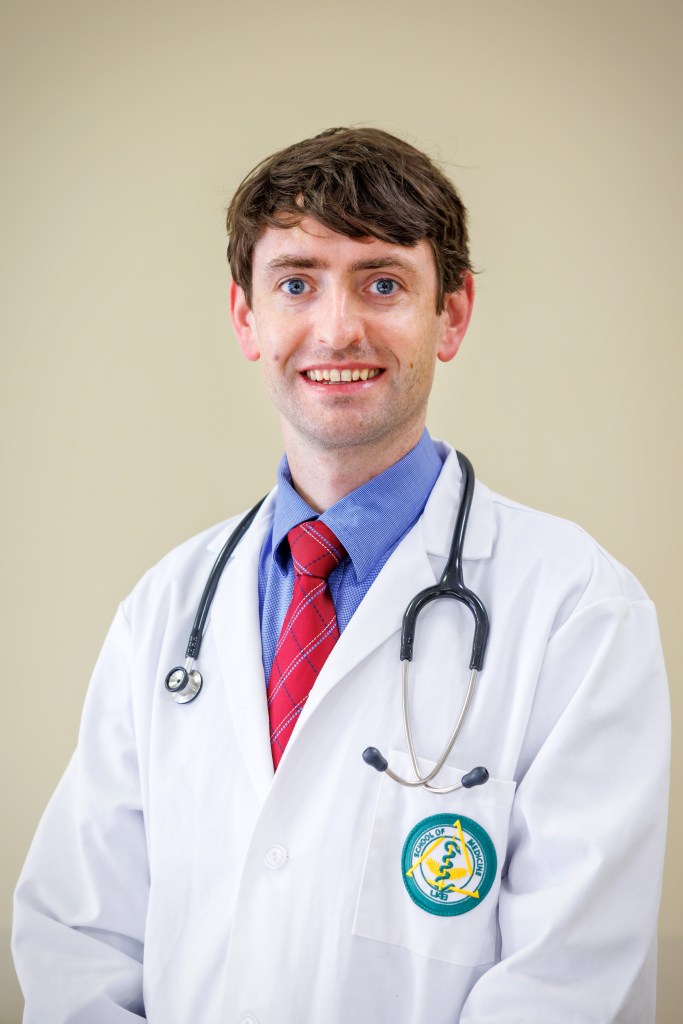
Santiago Borasino, M.D.

“I get to give back to my country,” he said. “There’s always a lot of guilt for leaving. And so I get to go there, help with surgeries and give back to the country some—a little bit. This teeny tiny bit probably doesn’t repay everything that the country has done for me, but it’s a little bit. It’s very special to me.”

The team—which most recently included Children’s cardiothoracic surgeon Robert Sorabella, M.D.; pediatric cardiac anesthesiologists Jack Crawford, M.D., Ph.D., and Patrick Hussey, M.D.;  and Stephanie McBride, RNFA—works with doctors at the Instituto Nacional de Salud del Niño (INSN) San Borja in Lima, where Borasino was raised and attended medical school.

The local doctors coordinate with the visiting clinicians to choose the cases. “We can’t do cases that are too complex because we don’t have ECMO,” Borasino said. ECMO, or extracorporeal membrane oxygenation, is a life-support machine that can temporarily replace the heart and lungs. They also want the child to be able to recover before the team leaves, so they have to choose wisely, he added.

The visiting team works closely with their Peruvian counterparts. The American and Peruvian surgeons, anesthesiologists and nurses team up for surgeries, while Borasino partners with his Peruvian counterpart to manage the post-operative care side in the ICU. They generally perform about 15 surgeries a day.

Over his six trips to Peru, Borasino has witnessed significant growth in the skills and knowledge of the local medical professionals, most of whom were just starting to practice when he met them. “They’ve grown just like any doctor in the United States grows from being a young doctor who hasn’t done this too much to somebody who’s done it quite a lot.”

“The ultimate goal is that they will be independent,” he said. “They’re never going to be like Americans because of the resources. But, in theory, they could get close, at least for the moderate or low cases, a little complex but not too complex.”

Without these volunteer trips, the outlook for many of the young heart patients is grim. “Some of them will be lucky enough to get surgery within the system,” Borasino said. “And some of them will die. Not immediately, but eventually. Like in a few years without surgery, you end up dying. All these congenital heart diseases eventually kill you, either in weeks, months or years.”

However, the team’s work can be life-changing for the patients they’re able to help.

“The families are so thankful,” Borasino added. “Some come back every year when they know we’re there just to say hi, to bring their kids and tell us, ‘You saved our kid’s life.'” “It’s an opportunity to see more than just cardiac medicine,” he added. “And just to help.”

Hematology and Oncology

Leading with a focus on the patient

Katie Metrock, M.D., manages one of the nation’s largest pediatric neuro-oncology programs at Children’s of Alabama.

According to data from the CDC, brain and spinal tumors are the leading cause of death among childhood cancer patients. Katie Metrock, M.D., director of the pediatric neuro-oncology program at Children’s of Alabama, says being diagnosed with one of these cancers is “one of the scariest things that can happen to a family.”

The program, which is part of the Alabama Center for Childhood Cancers and Blood Disorders at Children’s, is one of the largest in the U.S. It offers a focus on treating children and adolescents with brain and spinal cord tumors as well as neurofibromatosis, a genetic condition that predisposes children to tumors. It is a leading center for clinical studies and basic research into these conditions, and it offers a neuro-oncology fellowship. Metrock took over as director of the program in October 2023.

“It is my goal that every patient that comes through this door feels like they have a team of people that are fighting for them,” she said. “I don’t want any patient to ever feel like they’re alone or any family to feel like they needed more.”

For Metrock, the battle has a personal element to it. When she was young, her aunt developed a brain tumor, and Metrock remembers visiting her in the hospital. “I was very fascinated by all that was happening,” she said. Her aunt “did quite well,” she added, and the experience sparked her interest in the treatment of brain tumors. In college, that interest grew when she worked at a camp for children with cancer and met a young patient with a brain tumor.

“So when I went to medical school and residency, I tried to keep an open mind and looked at all the different types of fields,” Metrock said. “But I think ultimately I knew this is the space I wanted to be in—to help these children and to improve their treatment options.”

Now, that’s her daily goal. As the program’s director, she leads a team that includes four pediatric neuro-oncologists, three pediatric nurse practitioners, child life specialists, chaplains, social workers, neuropsychologists and researchers. They collaborate closely with neurosurgeons, neurologists, advanced/palliative care physicians and radiation oncologists to provide comprehensive care tailored to each patient’s needs.

“It takes all of us working together to help patients and their families through this entire process,” Metrock said. “Ever since coming here to Children’s, I have been blown away with the teamwork approach.”

The center’s mission extends to research, which is desperately needed, Metrock added. “We have to do better for these kids,” she said. “Making research at the forefront of our mission is huge.”

To that end, the program participates in several clinical trial research consortia, including the Children’s Oncology Group, the Pediatric Neuro-Oncology Consortium (PNOC), and the Sunshine Project. The partnerships allow Children’s to offer leading-edge clinical trials to patients while contributing to the broader advancement of the field.

For instance, researchers are investigating methods to deliver medications more effectively across the blood-brain barrier, which remains one of the greatest challenges to improving survival. They also are conducting clinical trials into less invasive, safer and more effective treatments for tumors like medulloblastoma, craniopharyngioma and germ-cell tumors. Additionally, they’re exploring vaccines to target high-grade gliomas.

The program is also expanding its educational reach globally. A new partnership with St. Jude Children’s Research Hospital aims to develop educational programs in neurofibromatosis for areas with limited expertise in treating neurofibromatosis-related tumors. The team also has a partnership with Washington University School of Medicine in St. Louis for a global neuro-oncology fellowship.

The primary focus, however, remains the child. “When a child comes in, the first thing we need to know is what type of tumor do they have and how do we treat it,” Metrock said. “But I think you can get tunnel vision with that. You really have to see that this is a child, and they have their whole life around them and then the life that they’re going to move forward with after this. So how do we meet them where they’re at and how do we help them move forward with the best success possible?” Those are the questions she aims to answer for each patient.

Nephrology

Improving care for children with TSC

The Children’s nephrology team is working with the UAB Tuberous Sclerosis Clinic to improve the care of children with TSC.

Tuberous sclerosis complex (TSC) is a rare genetic condition in which non-cancerous tumors grow in various body organs. It affects about one in 1 million births. Although primarily viewed as a neurological condition, it requires multidisciplinary care since the tumors may appear in any organ, particularly the kidneys. That’s why Children’s of Alabama’s nephrology specialists have become more involved with the University of Alabama at Birmingham’s Tuberous Sclerosis Clinic, one of only 10 in the country designated as a Center of Excellence by the TSC Alliance.

Between 50% and 75% of patients with TSC develop benign tumors in their kidneys, called angiomyolipomas, pediatric nephrologist Daniel Feig, M.D., Ph.D., said. They rarely cause symptoms, but can crowd out kidney function, squashing blood vessels adjacent to the tumors, resulting in high blood pressure. If they get much bigger than 3 to 4 cm, he said, “there’s a very, very high risk of them bleeding.” Such bleeding could be life threatening. Medications called mTOR inhibitors can shrink the tumors and may prevent their recurrence after surgery.

About 5% of patients with TSC develop a more serious cystic kidney disease called polycystic kidney disease, the result of yet another genetic mutation. “They can progress to kidney failure because the cysts replace the normal functional tissue in the kidneys.” There isn’t much available to treat the condition, Feig said, other than monitoring and managing blood pressure. About 3% of people with TSC will develop kidney cancer.

The weekly tuberous sclerosis clinic is directed by Martina Bebin, M.D., a pediatric neurologist at Children’s; and Bruce Korf, M.D., Ph.D., a pediatric neurologist who also specializes in genetics. “Over the last year we’ve worked to improve the communication between the pediatric neurology and nephrology groups as well as becoming more involved with the Tuberous Sclerosis Alliance,” Feig said. “That includes presentations for families about the optimal care of pediatric patients and how to avoid complications.”

Feig and his team are also involved in clinical trials to manage renal tumors and identify agents that can shrink them, thus avoiding surgery or even kidney loss. Screening is key, he said, “so we can identify when children need interventions.” In addition, understanding the growth parameters of the tumors and how they link to the two genetic mutations that cause the disease enables clinicians to personalize care and “take some of the guesswork out of how we’re monitoring these patients.”

People with TSC may be diagnosed in utero if an ultrasound shows the presence of tumors in the heart, called rhabdomyomas. Some are diagnosed after birth because of hypopigmented macules on the skin that look like the leaves from an ash tree. Seizures during the first year of birth are another clue, but many children aren’t diagnosed until they demonstrate developmental delays when they start school.

With only two Centers of Excellence in the Southeast, Feig said, “We’re situated to help provide care for our region and extending far beyond Alabama.”

Nephrology

Testing the first potential treatment for AMKD

Daniel Feig, M.D., Ph.D., and other Children’s researchers are leading a trial that provides hope for patients with AMKD.

A team of clinicians and researchers from Children’s of Alabama and the University of Alabama at Birmingham (UAB) has launched a potentially groundbreaking clinical trial testing the first potential treatment for APOL1-mediated kidney disease, or AMKD, a genetic condition linked to mutations in the APOL1 gene that can lead to rapid kidney function decline and, ultimately, kidney failure.

“The gene itself is involved in activation of inflammatory arms of the immune system,” said Daniel Feig, M.D., Ph.D., a pediatric nephrologist at Children’s. The APOL1 gene variant doesn’t just cause AMKD; it also exacerbates other kidney conditions. “Individuals with focal segmental glomerulosclerosis (scarring in the kidneys), IgA nephropathy, or diabetic nephropathy with APOL1 risk variants progress to end-stage kidney disease much faster than those without the risk variants.”

This genetic factor is particularly common in African Americans, contributing significantly to the higher rates of kidney failure seen in this population, Feig said.

The current trial, called AMPLITUDE, is testing the efficacy and safety of a first-in-its-class oral medication called VX-147, or inaxaplin. The drug is designed to inhibit the inflammatory pathway triggered by the APOL1 gene variant. The hope is that blocking this pathway will slow or even stop the progression of AMKD.

“It’s exciting because these patients have no other options for therapy,” Feig said.

An earlier trial evaluating standard-of-care plus inaxaplin in people with two APOL1 variants showed a nearly 50% reduction in proteinuria (a marker of kidney damage) after 13 weeks of treatment and reduction in scar tissue in the kidneys. The most common side effects were headache, back pain and nausea. The study was published in the New England Journal of Medicine.

The current trial is enrolling about 500 adult and pediatric participants, including about 150 children ages 10 to 18. More than 200 centers in the U.S. and other countries are involved.

Those eligible for the trial must have confirmed AMKD (with two APOL1 variants), proteinuria, and reduced kidney function. Participants will be monitored for two years while taking the study medication.

“If we can slow the disease by a number of years, that means these patients don’t need dialysis, they don’t need transplant, they don’t have the risk of kidney failure and their life expectancy is much, much, much longer,” Feig said. “It offers hope to families that have been having a difficult time and are really frustrated by the lack of alternatives.”

Neonatology

Innovative Lung Testing for Preemies

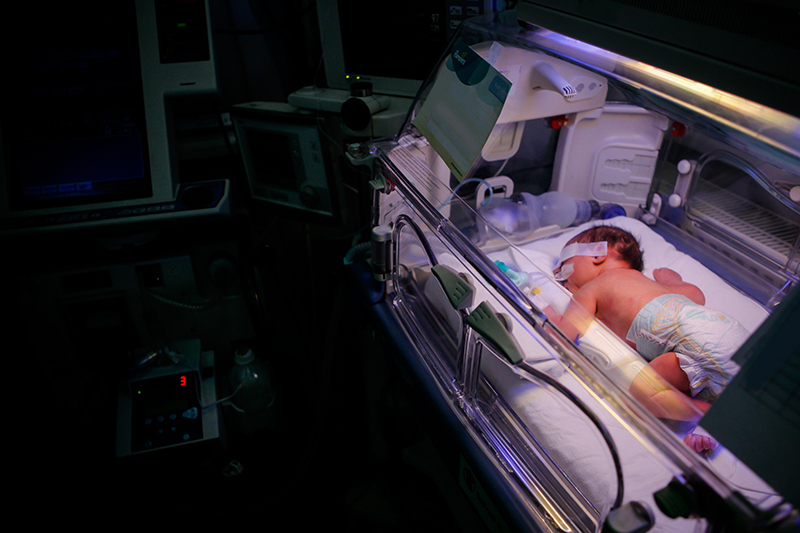
A device developed by Children’s of Alabama neonatologists is showing promise at measuring lung function in premature babies.

One of the most important parameters of a premature baby’s health status is respiratory health. How well are their lungs working? What long-term respiratory complications might occur from the premature birth? Yet assessing lung function in these fragile newborns has long been a complex and invasive process.

“Right now, we diagnose lung disease based on whether a baby needs oxygen or not,” Children’s of Alabama neonatologist Colm P. Travers, M.D., said. “But we don’t know how severe their lung disease is and what type of lung disease they have.”

Measuring lung function in children and adults is as simple as having them blow hard into a plastic tube. Pulmonary function testing in neonates, however, requires complicated equipment as well as sedation or anesthesia, limiting its use outside of research studies.

Colm Travers, M.D.

So, Travers and his team have brought a decades-old technology used in adults called forced oscillation technique (FOT) to the NICUs at the University of Alabama at Birmingham (UAB) and Children’s. They worked with the device manufacturer to develop a machine designed for small babies. It sends sound waves into the lungs while the infant is sleeping and breathing naturally. The sound waves then bounce off the lungs, providing information on stiffness and resistance in the airways. It can be performed in less than 30 seconds, non-invasively, without sedation and repeated over time. It typically takes just a few minutes to set up and can be used soon after birth.

“It’s well suited to neonates because it doesn’t need any effort on behalf of the baby,” Travers said. “Oscillometry is also able to tell you the severity and the type of lung disease a baby has.” In addition, he said, it’s an ideal tool to use in research because of its simplicity and accuracy.

The Children’s team has already used the device in more than 600 neonates. They published the first results of their work in 2020, which demonstrated the feasibility of using oscillometry in healthy newborns and those with respiratory disorders. Now, they’re in the midst of a larger study funded by the National Heart, Lung, and Blood Institute involving 550 babies with the goal of establishing normative data for infant lung function and tracking outcomes, such as asthma and wheezing, in early childhood.

“We’re also using it in our NICU to see whether babies respond to certain medications,” Travers said. This approach could help doctors quickly determine if a treatment is effective or if they need to pursue alternative options.

The use of FOT at Children’s is still only in the research phase. Travers says he and his team are still following the infants until they are 2 years old. “In the future, we hope to see the infants back around the time they are starting school so we can see how they are doing in terms of exercise capacity and lung function,” he said.

Eventually, Travers hopes FOT will become standard of care not only in his NICU, but in hospitals everywhere.

Neonatology

Risk factors for BPD-PH in preterm infants

Studies led by Children’s neonatologists show early indicators of bronchopulmonary dysplasia with pulmonary hypertension.

It’s well-known that preterm infants are prone to breathing difficulties due to their underdeveloped lungs. But the most common lung disease in these babies, bronchopulmonary dysplasia (BPD), is only recently becoming better understood more than a half-century after it was first described.

Now, Children’s of Alabama neonatologist Samuel Gentle, M.D. is expanding that knowledge by focusing on the most severe type of BPD—the form associated with pulmonary hypertension (PH)—in research that teases out contributing factors to this deadly disease.

It’s a major threat: nearly half of preterm infants develop BPD, which can lead to long-term breathing and health problems. About 20% of these babies also develop PH, and an estimated 40% of them will die of BPD-PH before turning 2 years old.

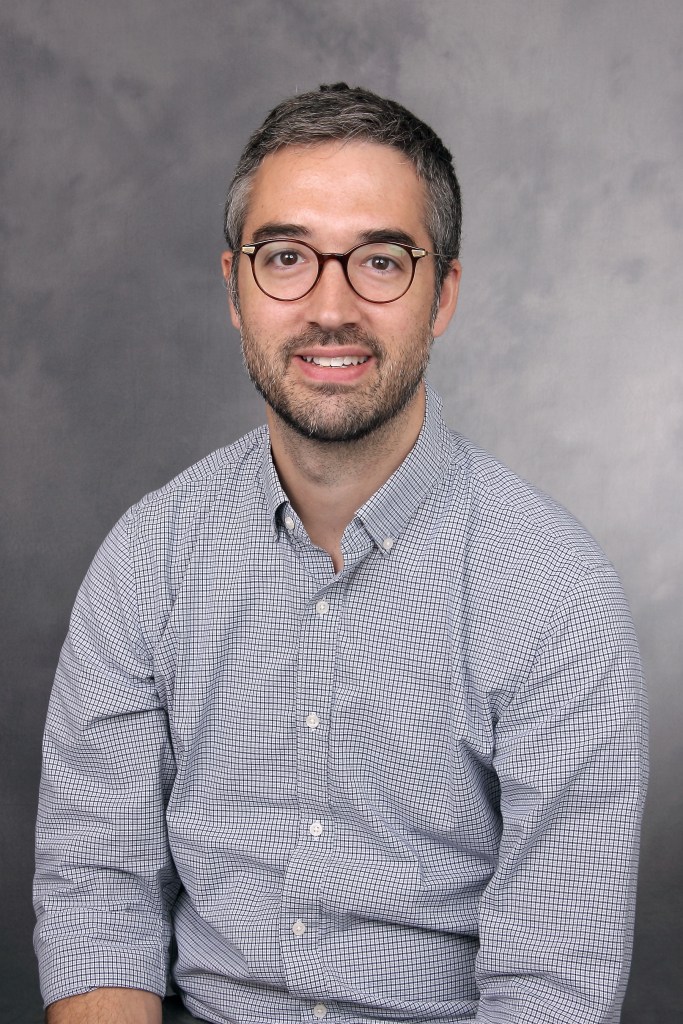
Samuel Gentle, M.D.

“This is a disease for which there’s growing research interest. It can be lethal, is not uncommon in extremely preterm infants, and we have little understanding of how to prevent or treat it,” said Gentle, who’s also an assistant professor of neonatology at the University of Alabama at Birmingham (UAB). “And children who do survive have long-term complications that persist into adulthood. It’s not a disease they just grow out of.”

“I’ve also had many interactions with families who lost a child to this,” he added. “Oftentimes, a child will be stable and doing well, and then collapse. I’ve seen how this can ravage a family.”

Since research has been scant about what causes the development of BPD-PH—as well as how to screen, treat and prevent it—Gentle wanted to fill the vacuum. Currently, a single ultrasound of the heart is the standard diagnostic method, though UAB performs this testing more frequently.

“We need to get better at identifying this disease in real time, rather than doing ultrasounds at arbitrary time intervals,” Gentle said. “Even with UAB’s testing approach, I believe it will become possible to diagnose it sooner, allowing earlier initiation of PH-targeted therapies.”

Along with UAB colleagues, Gentle published two studies that assessed factors that may contribute to BPD-PH in preterm babies. Published in the American Journal of Respiratory and Critical Care Medicine, they found two important associations: The duration of intermittent hypoxia events and the presence and persistence of a patent ductus arteriosus (PDA) after birth are both novel risk factors for BPD-PH.

In the first study, Gentle found that infants who experienced intermittent hypoxia events lasting longer than one minute were twice as likely to develop BPD-PH. “If an infant has longer intermittent hypoxia events, we might be more proactive in screening that infant for BPD-PH,” he said.

In the second study, preterm babies born with BPD-PH between 22 and 28 weeks’ gestation were more likely to have a PDA vessel that stayed open longer than 28 days. Babies with longer PDA duration were also more likely to die due to complications of BPD-PH than infants with only BPD. “The PDA could be interfering with the development of pulmonary vasculature resulting in PH,” Gentle said.

UAB will be participating a multicenter trial to determine whether closing PDAs with a catheter-closure device might lower the risk of this PH variant. But far more study is needed, Gentle pointed out.

“While this research focused on a specific phenotype of BPD, we need a comprehensive approach to identifying each infant’s specific type of lung disease from which we can decide on the best therapeutic course for every child,” he said.

Urology

A new model for testicular torsion detection

Residents practicing testicular torsion detection using a new model created by the Children’s Pediatric Simulation Center

Testicular torsion is a serious medical emergency that requires immediate surgical intervention. It occurs when the spermatic cord twists, cutting off blood flow to the testicle. If not treated promptly, the condition can lead to permanent damage or loss of the affected testicle.

“Time is testicle,” said Carmen Tong, D.O., a pediatric urologist at Children’s of Alabama. “Pretty much every minute counts when it comes to testicular torsion.” Indeed, the so-called “golden window” to salvage testicular function after symptom onset is between four and eight hours. Any longer not only affects long-term testicular function but increases the risk of orchiectomy, or the removal of one or both testicles. “That can be devastating,” Tong added.

So prompt diagnosis is crucial. Yet the condition may present with vague symptoms such as abdominal pain and nausea. To improve diagnosis, Tong turned to pediatric intensivist Nick Rockwell, M.D., and advanced nurse educator Autumn Layton, MSN, RN, in the hospital’s Pediatric Simulation Center. Together, they created a testicular torsion model that provides hands-on training for residents.

The initiative came about after a teenaged boy’s torsion was missed. That begged the question: “Is there a way we can work with our trainees to give them a better understanding of something that’s a rare event, but when it happens, is a high-stakes situation,” Rockwell said.

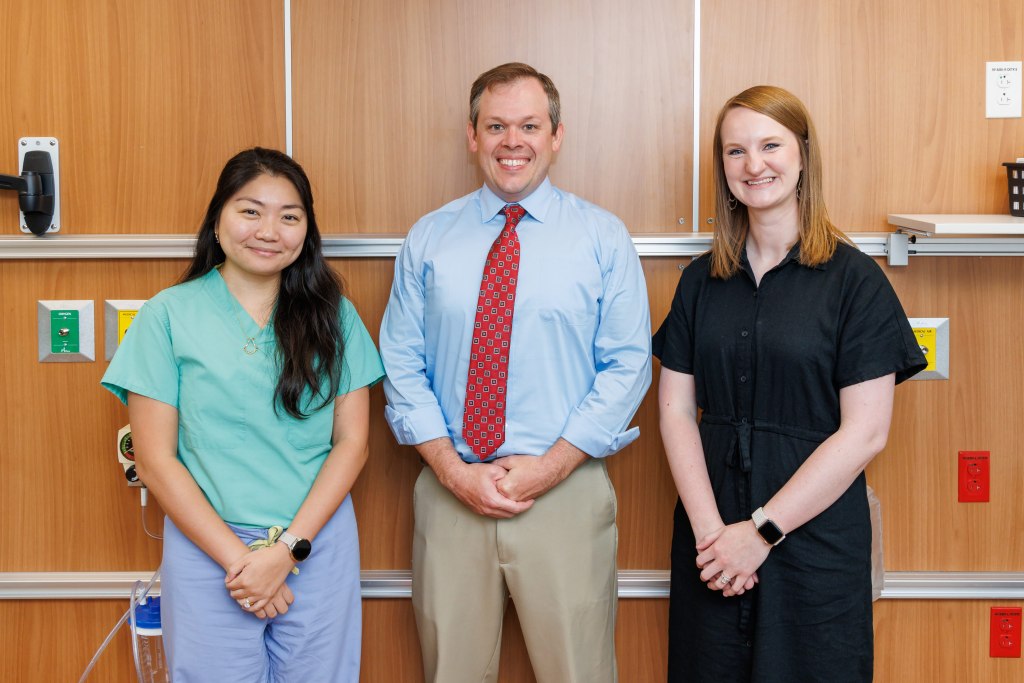
From left: Carmen Tong, D.O.; Nick Rockwell, M.D.; Autumn Layton, MSN, RN

Rockwell, Layton and their team used Play-Doh-covered Styrofoam balls to simulate a torsed testicle, while a stress ball represents a normal testicle. These are enclosed in balloons to mimic scrotal skin and attached to a mannequin. Residents can then practice palpating the model to distinguish between normal and torsed testicles, providing a “full, immersive experience,” Rockwell said.

The students are told the mannequin is a 15-year-old boy admitted the night before for abdominal pain that is getting worse. Rockwell “plays” the patient, responding to questions. He can also adjust the mannequin’s vital signs, such as increasing heart rate if the trainees do something painful during the exam.

Next up for the training is a series of mannequins: one is normal while three others depict the disease at different stages. This helps learners distinguish which testicle is torsed, or if the testicle is inflamed (epididymitis). Through this exercise, trainees learn the Testicular Workup for Ischemia and Suspected Torsion (TWIST) score, which identifies children at risk of testicular torsion. The higher the score, the more urgent the need for immediate treatment.

The response to the training been overwhelmingly positive, Tong said. In addition, “what’s super impressive about this model is that it’s easily replicable. So once we publish this, other institutions can take what we did and create the same model. It doesn’t cost thousands of dollars.”

Orthopedics

Orthopedics team expands to meet increased demand

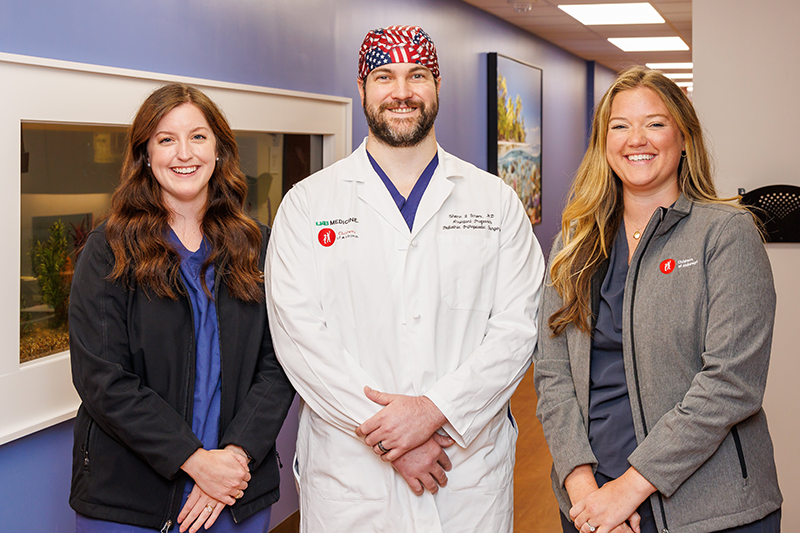
From left: Anna Stephens, MSN, CRNP; Shane Strom, M.D.; and Mallory Myers, PA

As the only stand-alone children’s hospital in the state and the sole tertiary referral center, Children’s of Alabama already fielded a robust demand for orthopedic services. But steady population growth in the Birmingham area—combined with lengthening waits for clinic appointments—have prompted Children’s to expand its orthopedic team to accommodate the need.

Since late 2022, the team has added two orthopedic surgeons and two advanced practice providers. The division now has six surgeons and four advanced practice providers. These empower the department to meet patients’ needs as demand increases. That has continued at a clip of 10% to 20% year over year since 2020, says orthopedic surgeon Kevin Williams, M.D., who came to Children’s four years ago.

“We’re constantly looking to provide better care for children of Alabama,” said Williams, who’s also an assistant professor of orthopedic surgery at University of Alabama at Birmingham (UAB). “One way was to put more providers in place who can take care of these patients in clinic and think about how to best care for children with difficult pathologies.”

Several thousand young patients seek inpatient and outpatient orthopedic care at Children’s each year. The most common conditions the team treats include fractures around the elbow—which comprise up to 70% of orthopedic surgeries at Children’s—along with scoliosis, hip dysplasia, cerebral palsy and other spastic neuromuscular conditions.

“There’s just an overflow of patients, so provider schedules were extremely full, and they were booking appointments months and months out,” explained pediatric nurse practitioner Anna Stephens, MSN, CRNP, who joined the department in 2023 after working in several capacities at Children’s since 2017. “More providers were needed to get patients seen in an appropriate time frame.”

The new faculty and staff members not only round out the department roster, but also add flexibility to everyone’s roles, said orthopedic surgeon Shane Strom, M.D., who joined in September 2023 after completing a fellowship in at Scottish Rite for Children in Dallas.

Advanced practice providers can see patients independently, freeing up surgeons for surgical cases. They can also assist in the operating room, Williams notes, “which, with the increase in OR numbers, has been really helpful.”

But, “not everything we do is surgical,” said Strom, who’s also an assistant professor of pediatric orthopedics at UAB. “With clinic numbers being higher and wait times to get in to see a provider longer, adding advanced practice providers can help with non-operative care, such as casting or treating club feet with bracing.”

Physician assistant Mallory Myers, PA, who joined the department in February 2023, agrees. “The expansion allows surgeons to have more time focusing on complex patients and surgical patients without making non-surgical patients wait longer times to be seen,” she said. “Also, nurse practitioners and physician assistants have a similar clinical scope, but the way we’re trained is different, so it’s a benefit to have multiple points of view.” 

Endocrinology

On the Front Lines of the Pediatric Obesity Crisis

In the Children’s of Alabama SHINE clinic, a multidisciplinary team take a holistic approach to helping patients with obesity.

About one in five children and adolescents in the U.S., representing nearly 15 million individuals, have obesity.[i] That puts the multidisciplinary Strategies for Health, Interventions, Nutrition, and Exercise (SHINE), clinic at Children’s of Alabama on the front lines of this complex issue. “It’s not just about weight loss,” pediatric endocrinologist Christy Foster, M.D., said. “We address the root causes of obesity and the various comorbidities associated with it. This holistic approach is vital for the long-term success of our patients.”

The clinic is run by adolescent medicine specialist Stephenie B. Wallace, M.D. In addition to Foster, the team includes a registered dietician, a physical therapist, an exercise physiologist and a social worker. Together, they create individualized plans for each patient focused on achievable goals.

Soon after starting in the clinic, Foster cared for a teenaged girl with obesity. The patient’s mother had type 2 diabetes, and the teenager had pre-diabetes. “Mom was just very worried and concerned for her,” Foster said. “But the girl was just very defeated. She felt it was her fault.” That’s not unusual, she said. “That’s one of the things that is tough around this condition. There’s a lot of shame and guilt.”

Christy Foster, M.D.

Foster assured the girl that her weight did not define who she was. She asked her to pick a goal to work toward. “She wanted to be a nurse,” she said. “So that became her motivation. I told her that if you want to take care of your patients, you have to take care of yourself first.”

When the teen returned for her next appointment, “she had such a light,” Foster said, and she’d started going to the gym. “There wasn’t a huge change all at once,” she said. “But she found the motivation. And that was one of the things she needed.”

The clinic’s philosophy is that obesity is a chronic disease, not a personal failing. “There are genetic, environmental, and psychological factors at play,” Foster said. “What I appreciate most about this clinic is our collective willingness to find creative solutions. We meet families where they are and tailor our recommendations to their unique circumstances. This adaptability is crucial for making a real difference in our patients’ lives.”

The clinic also emphasizes early intervention, encouraging primary care clinicians to refer patients before they develop the metabolic diseases of obesity, such as type 2 diabetes. “We now see that type 2 diabetes constitutes most of our new onset diabetes cases in children. This is a stark increase from a few decades ago,” Foster said.

New guidelines on childhood obesity from the American Academy of Pediatrics call for an aggressive approach to treatment, including pharmacotherapy and, in some situations, bariatric surgery. “We’re navigating these new recommendations carefully,” Foster said, “always weighing the benefits and potential risks. Cost is also a consideration, as insurance coverage varies.” In addition, the two newest weight-loss drugs, semaglutide and terzepatide, are only approved for use in adults, although they may be used off-label for children.


[i] Centers for Disease Control and Prevention. https://www.cdc.gov/obesity/php/data-research/childhood-obesity-facts.html.

Behavioral Health

BEST strategies for stopping workplace violence

Children’s of Alabama is implementing an initiative to prevent an de-escalate workplace violence against health care workers.

Health care workers are five times more likely to experience workplace violence than those in other industries. They account for 73% of all nonfatal workplace injuries from violence.[1] The incidence has been rising since the pandemic, with one survey from the American Nurses Foundation finding a 119% increase in nurses reporting worsening workplace violence between March 2021 and March 2022.[2]

That is why the Children’s of Alabama’s Behavioral Event Support Team (BEST) initiative is so critical. The program is designed to ensure a rapid response and de-escalation to potentially violent incidents on medical units. It also helps identify patients at risk for “behavioral events” to prevent them before they occur.

Before BEST was created, it was rare for behavioral health staff to interact on the medical side of the hospital, said Bonnie Moore, RN, nursing director at the hospital’s Behavioral Health Inpatient Ireland Center. And yet, given their training in managing patients who may become violent, they had the skills the rest of the hospital needed. Now, she said, “we’re talking about how we’re meeting the needs of patients who are not housed within the inpatient behavioral health space.”

It starts with a patient and family assessment before admission, with patients (or their caregiver) describing how they think they’ll respond to being in the hospital. The caregiver also shares if the patient has shown any behavior in the past six months that could have harmed someone.

“Partnering with the patient at the beginning of the admission to help them have the most therapeutic environment as possible allows them the best opportunity of healing while they’re here,” said Brandy Reeve, senior executive leader of Behavioral Health Services at Children’s.

The medical staff is trained to identify early signs of problems in both patients and family. For instance, parents are observed daily for any signs of escalating stress or anxiety, such as asking more questions than normal, pacing in the room, or raising their voice on their cellphone when they previously weren’t. “That’s when a social worker will come in and visit with the family to make sure they have their needs met,” Reeve said, “and that there’s nothing else that they can do to help better support them so we’re not getting to a place where it’s escalating.”

Staff are also trained to recognize signs of acute behavioral stress and activate the BEST team to de-escalate the situation.

In one instance, a patient admitted for tonsilitis with no behavioral concerns on assessment became quite agitated at night. The mother spoke only Spanish and tried to communicate with the staff via Google translate that she needed help and didn’t feel safe with her son. The nurse activated the BEST team, which de-escalated the situation within a few minutes with no further problems.

“Sometimes it’s just being able to communicate appropriately; to help the patient better understand what they need to do and why they need to do it,” Reeve said.Having been a medical nurse all my life, we’re not great at that,” she said. “We’re like, ‘just sit still, I’ve got to get this thing done.’” 

The effort is working. “Anecdotally, I believe since we have rolled out the BEST pathway that the things we’re doing on the front end appear to be successful,” Moore said, “which results in fewer calls for the ‘heroes in the capes’ to do all the magical behavioral things. All the pieces come together.”

The pilot phase of the program launched in February, and the team hopes to roll it out throughout the hospital in the fall.

The BEST program represents a shift toward viewing patients holistically, Reeve said. “I think that we’re increasing awareness to all of those that would claim to be, you know, ‘I work on the medical side, not the behavioral health side,’ that they are recognizing that our psychosocial health is just as important as the health we have with any other medical ailment because when it’s not OK, everything else is affected.”


[1] Ninan RJ, Cohen IG, Adashi EY. State Approaches to Stopping Violence Against Health Care Workers. JAMA. 2024;331(10):825–826. doi:10.1001/jama.2024.1140

[2] American Nurses Foundation. Pulse on the Nation’s Nurses Survey Series: 2022 Workplace Survey. Available at: https://www.nursingworld.org/practice-policy/work-environment/health-safety/disaster-preparedness/coronavirus/what-you-need-to-know/covid-19-survey-series-anf-2022-workplace-survey