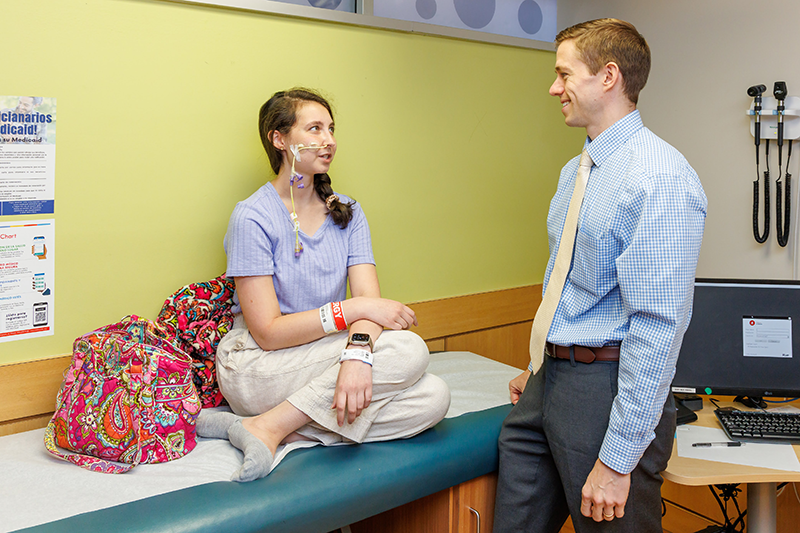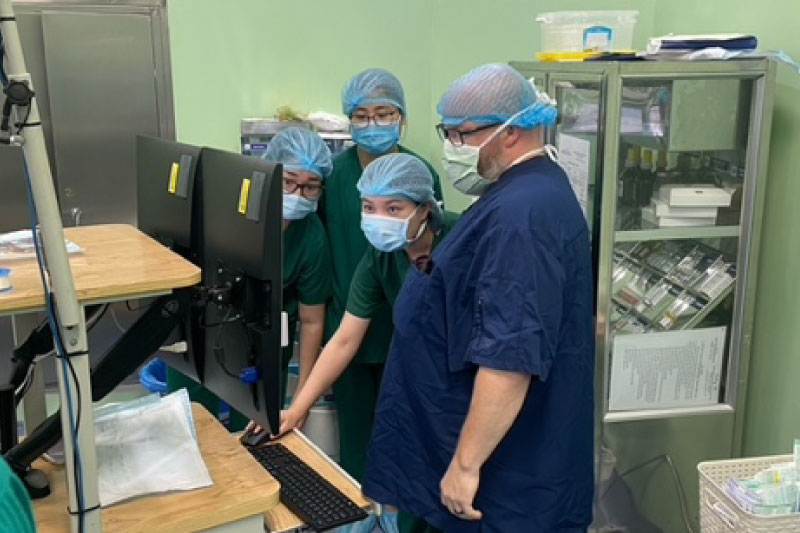
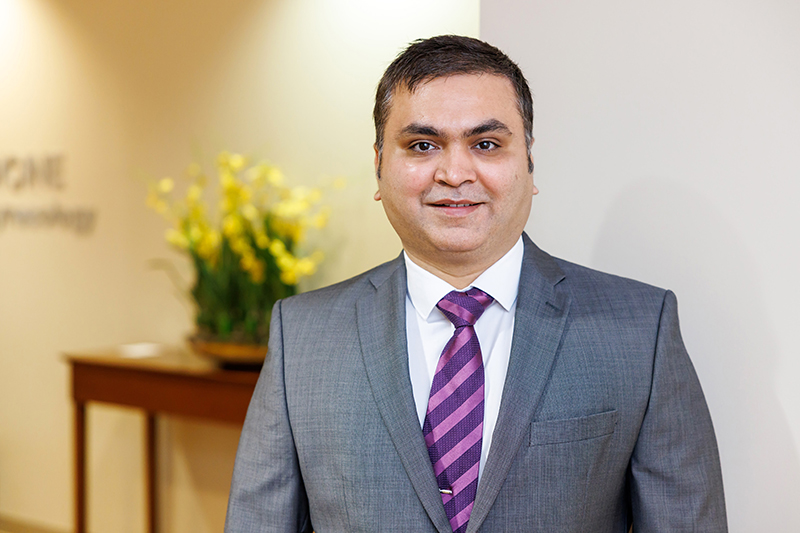
Children’s of Alabama neonatologist Vivek Shukla, M.D. is leading an effort to better understand neonatal encephalopathy.
In neonatology, few conditions pose as complex a challenge as neonatal encephalopathy, a condition that encapsulates various disorders characterized by depressed mental or neurological states in newborns. That is why Vivek Shukla, M.D., and his team are taking a multipronged approach to improve outcomes for infants affected by this condition.
Cause and challenges
According to Shukla, director of the Neuro-NICU at Children’s of Alabama, neonatal encephalopathy stems from multiple factors, ranging from fetoplacental, infection, genetic and metabolic disorders. On many occasions, neonatal encephalopathy results from perinatal hypoxic-ischemic events, usually right before or as a baby is delivered.
Diagnosis presents a challenge, often relying on meticulous review of the history and thorough physical examinations. Shukla says it can be difficult to identify the cause quickly, prompting the need for specialized tests. Techniques such as MRI with newer imaging sequences and EEG play pivotal roles in better understanding the neurological intricacies contributing to this condition.
Shukla emphasizes that while strides have been made, adverse outcomes in neonatal encephalopathy—especially from suspected perinatal hypoxic-ischemic events—remain the most common contributor to long-term impairment in children. Around one in three babies with moderate or severe encephalopathy faces severe disability or succumbs to the condition, signifying a need for continued improvement.
The team approach
Multidisciplinary teams together with engaged families are crucial in providing holistic care while infants receive treatment, Shukla says. This collaborative approach extends beyond NICU discharge, ensuring continuous support and intervention to enhance a baby’s developmental journey.
In the Children’s Neuro-NICU, Shukla leads just such a team. This multidisciplinary team includes neonatologists (Hope Arnold, M.D., neonatology fellows and pediatric residents), pediatric neurologists specializing in neonatal neurology (Stephen Walker, M.D., Salman Rashid, M.D., and pediatric neurology residents), pediatric developmental-behavioral specialists focusing on child development (Myriam Peralta-Carcelen, M.D.), a pediatric rehabilitation medicine specialist (Erin Swanson-Kimani, M.D.), interdisciplinary therapists, and dedicated nursing staff. “We collaborate closely to provide comprehensive care for newborn infants, integrating expertise across multiple disciplines to enhance neurological outcomes and support developmental milestones from infancy through early childhood,” Shukla said.
To address neonatal encephalopathy, the team has implemented several strategies:
- Involvement in several clinically important studies to improve the outcomes of infants suffering from neonatal encephalopathy
- Working to develop an early and individualized risk-prediction model for infants with neonatal encephalopathy using advanced machine learning and brain MRI images
- Collaborating with researchers from other institutes to investigate novel biomarkers and utilize machine learning to enhance the understanding and prediction of therapeutic hypothermia responses
- Working to develop and validate machine learning models to predict the risk of seizures in newborn infants using EEG data, video recordings and clinical information
- Conducting clinical trials to study interventions including pharmacologic and developmental interventions aimed at improving survival and neurological outcomes
History of treatment
Over the years, advancements have transformed treatment strategies, particularly in babies with suspected perinatal hypoxic-ischemic encephalopathy. Therapeutic hypothermia—cooling newborns to reduce metabolic demand for up to 72 hours—curbed brain injury post-insult in NIH-funded randomized controlled trials, including in babies treated by the team at Children’s. “For babies with moderate to severe encephalopathy, adverse outcomes are much more likely. Therapeutic hypothermia certainly reduces longer-term complications, but there are still opportunities to serve these infants better. That is why we’re continuing research on other options, including treatments that improve the overall outcomes in these children,” Shukla said.
Newer research avenues explore stem cell therapies, medications and interventions beyond therapeutic hypothermia. Additionally, vigilance in monitoring and managing seizures, which are more likely to affect these infants, has become integral to care protocols. Shukla’s team is actively engaged in clinical trials, paving the way for more effective treatments to enhance outcomes beyond the existing therapeutic approaches.
The future
Shukla says urgency and passion continue to drive ongoing research efforts. Neonatal encephalopathy continues to challenge neonatal care, but ongoing research and innovative therapies offer hope for better outcomes. The dedication of the Children’s of Alabama and University of Alabama at Birmingham (UAB) health care teams and the integration of pioneering treatments are pivotal in reshaping the journey for these vulnerable newborns.