Browsing Tag

heart

Cardiology

Pulmonary Vein Stenosis: No Longer a Death Sentence

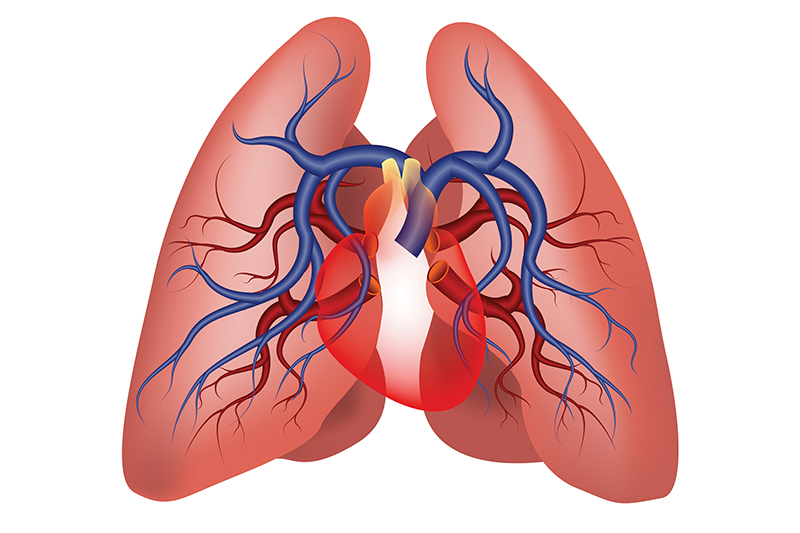
The pulmonary vein and artery system (Stock image)

Pulmonary vein stenosis (PVS) is a rare yet serious cardiovascular condition marked by progressive narrowing of the veins that return oxygenated blood from the lungs to the heart. Until recently, it was usually considered a death sentence. “There’s no two ways about it,” said Children’s of Alabama pediatric cardiologist Matt Clark, M.D. “It only gets worse once it starts.”

“When diagnosed, we would tell families there was nothing more to offer and to transition to end-of-life type care,” added pediatric interventional cardiologist Stephen Clark, M.D. “Until recently, we didn’t have medical therapies that could treat this. Surgical intervention was generally unsuccessful and sometimes accelerated the progression of the disease.”

Indeed, PVS has historically had grim outcomes, with mortality rates as high as 60% or more. Right ventricular pressure elevation—a marker of pulmonary hypertension (PH)—is strongly associated with mortality.

Now, there is hope.

“I think the biggest thing to come along was more data from studies and centers showing if you change the mindset and consider it as a possibly treatable condition, you change outcomes,” Matt Clark said.

That shift in mindset has driven a transformation in how PVS is diagnosed, monitored and treated. Today, children who would not have survived infancy are living into early childhood—and in some cases beyond—because of earlier recognition, aggressive catheter-based interventions and multidisciplinary care.

Earlier Detection, Closer Surveillance

One of the most important changes in PVS care has been earlier diagnosis, Matt Clark said, by recognizing high-risk populations: neonates with chronic lung disease; prolonged ventilation; those with congenital heart disease; and/or those with pulmonary hypertension (PH). The earlier the diagnosis, the more likely interventions are to be effective.

This surveillance-driven approach means clinicians are often identifying milder disease earlier—with regular echocardiograms, CT scans and diagnostic catheterization—and intervening at the first signs of progression.

PVS often exists in the setting of comorbid conditions such as PH, congenital heart disease or complications of prematurity, requiring close coordination between specialists. Thus, the pulmonary vein stenosis team in the Children’s of Alabama Heart Center has brought together a small group of pediatric cardiologists, allowing for shared memory and standardized decision-making.

“We don’t have to spend time reinventing the wheel,” Matt Clark said. “We can collectively remember all our patients” and which approaches approach worked best.

Catheter-Based Intervention as a Strategy, Not a Last Resort

Treatment for PVS has also evolved. Intervention includes balloon angioplasty to widen narrowed vessels or stent placement to hold them open. The stents are coated with sirolimus, a drug designed to prevent restenosis. However, rather than viewing catheter-based intervention to unblock the vessel as a one-time attempt to rescue a sick child, it is now viewed as a repeated, planned strategy.

“Every time you do an intervention,” Matt Clark said, “you’re signing that kid up for another cath at some interval.” That’s because the baby’s heart and lungs keep growing, requiring additional interventions. Multicenter analyses show that repeat catheterizations are associated with improved survival, reflecting a shift away from passive observation to active disease control.

In some children, repeated dilations and stent expansions over time allow pulmonary veins to reach near-adult size within the first few years of life.

Medical Therapy to Slow Disease Progression

Procedural care is now complemented by medical therapy aimed at the underlying biology of PVS.

Because the disease involves aggressive cellular proliferation within the vessel wall, antiproliferative medications such as sirolimus have become an important adjunct to intervention.

Observational studies suggest that children receiving systemic sirolimus have significantly improved survival compared with historical controls. In one widely cited cohort, four-year survival reached 100% in treated patients compared with approximately 45% in those not receiving therapy.

Sirolimus has also been associated with slower in-stent restenosis and longer intervals between interventions. While randomized trials are still lacking, these findings have helped legitimize systemic therapy as part of standard care at experienced centers.

“We’re probably doing more sirolimus-type therapies now than we used to,” Matt Clark said.

Survival Looks Different Now

Even with advances, PVS remains unpredictable. Not every child can be saved. But survival is no longer measured only in weeks or months.

Matt Clark described children who once would have died in the hospital now going home, growing and returning for planned interventions.

“One of the earlier ones was pretty impactful,” he said, recalling a child who lived long enough to spend two Christmases at home. “That was enough to make us keep going and keep pushing.”

“We know we’re helping,” he said. “So we’re more likely to intervene, to follow closely and to keep trying.”
Cardiology

Building a Team Around Pulmonary Hypertension

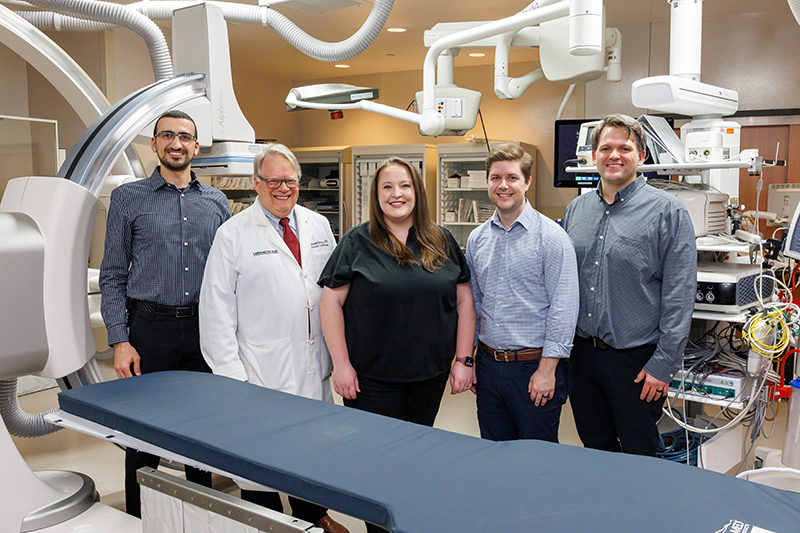
The Children’s PH team (L to R): Ahmad Khalil, Frank Bennett Pearce, Jodie Kanaday, Kevin Wall and Matthew Clark.

Pulmonary hypertension (PH) is a heterogenous condition stemming from numerous underlying causes, including extreme prematurity, congenital heart disease and systemic diseases like lupus. It causes dangerous increases in blood pressure in the lungs, straining the heart’s pumping ability and potentially leading to heart failure.

Care for children with PH has typically existed across silos: cardiology, pulmonology, neonatology and intensive care, said Frank Bennett Pearce, M.D., a pediatric cardiologist at Children’s of Alabama. Each discipline did its part. But clinicians increasingly recognized that the complexity of the condition and the fragility of the patients required greater coordination.

Today, a formal PH team of Pearce, pediatric cardiac critical care specialists Ahmad Khalil, M.D., and Matthew Clark, M.D., and pediatric cardiology fellow Kevin Wall, M.D., together with pediatric cardiology nurse specialist Jodie Kanaday, RN, round weekly on patients with PH to determine the best course of action for this rare but complex condition.

“We wanted to improve communication by having us all together saying the same thing to the consultant teams and to the families,” Pearce said.

That consistency matters, especially when care unfolds over weeks or months.

From a cardiology standpoint, PH has always been part of the landscape, Pearce said. “A lot of the treatment and diagnostic procedures like catheterizations and echocardiograms come through cardiology anyway,” he said. “So we end up being the treating doctors in lots of cases, or at least consultants.”

At the same time, many of the sickest patients are in neonatal and pediatric intensive care units and managed by critical care specialists.

PH is typically treated with medications like pulmonary vasodilators regardless of cause, but timing and diagnosis matter. That’s why it’s so important to have a precise anatomic diagnosis before starting medication, Pearce said. In babies with bronchopulmonary dysplasia, for instance, PH may be driven by acquired pulmonary vein stenosis—a condition that requires catheter-based or surgical intervention before medication.

Previously, decisions like these might have been made in parallel by different services. Now, they are made together.  

The team manages about a dozen inpatient pulmonary hypertension cases each month on inpatients at Children’s and the University of Alabama Birmingham (UAB). But inpatient care is only part of the story.

PH does not end at discharge. Medication management, insurance approvals, symptom monitoring and urgent questions follow families home. That’s where Kanaday, who is the Pulmonary Hypertension Clinic care coordinator, shines.

“We literally couldn’t do it without her,” Pearce said. She allows the team to see more patients, stay more organized and keep up with the paperwork/regulatory side of things in the PH world, he said.

Kanaday sees herself as a conduit to the physician. “Our patients know they can contact me directly for questions about medications, symptoms or side effects. I’m able to pass those concerns along quickly, which usually means they get help faster than they otherwise would.”

Her role, she said, is “making sure the doctors have all the information that they need to best take care of the patients.”

While the team is not formally tracking outcomes yet, Pearce says he’s seen a difference. “The patients are staying on their medications more consistently. The doses are more consistent. Some of these medications require a lot of paperwork—that’s getting handled quicker.”

In addition, the improved coordination means patients get to the cath lab sooner for pulmonary vein interventions. The team is also closely tied to newer catheter-based procedures, such as closing a patent ductus arteriosus or atrial septal defects in extremely small infants.

“I think it’s really been an asset to our cardiology team in general, taking this burden off of the general cardiologists and putting these patients with a provider who readily understands the disease process, available treatment options and possible complications. I think it makes our consult service much more efficient,” Kanaday said. “It has really made an impact on the patients, their continuity of care as an inpatient, and their follow-up in the outpatient clinic. I feel like we’re really making a difference and giving these kids the best chance to have positive outcomes long term.”

Cardiology

Law appointed division director of pediatric cardiology

Mark Law, M.D., is the new director of the Division of Pediatric Cardiology at Children’s of Alabama and UAB.

By Heather Watts (UAB)

The University of Alabama at Birmingham (UAB) Department of Pediatrics announces with great pleasure and gratitude the appointment of Mark Law, M.D., professor in the Department of Pediatrics, to the permanent position of director of the Division of Pediatric Cardiology at UAB and Children’s of Alabama. Since stepping into the interim role in November 2024, Law has made substantive changes that address current needs as well as laying a strong foundation for continued growth and success within the division and the Pediatric and Congenital Heart Center of Alabama at Children’s of Alabama. Law brings his remarkable thoughtfulness paired with a blend of clinical excellence, research innovation and mentorship to this leadership role.

“In a twist of irony, when I interviewed Dr. Law to join us in 2008, he confidently declared that he had no interest in becoming a division director,” said Yung Lau, M.D., professor and chair of the Department of Pediatrics and Law’s predecessor as division director. “Fortunately, his thinking evolved. When the intersection of his unique talents and the Heart Center’s greatest needs became clear, he answered the call.”

Over the years, Law has progressed through the academic ranks—from assistant professor to his current role as professor of pediatrics. He also serves as medical director of Adult Congenital Interventional Cardiology at UAB Medicine, with a secondary appointment in the Division of Cardiovascular Disease within the Department of Medicine.

Widely respected as a leader in pediatric and interventional cardiology, as well as adult congenital heart disease, Law has authored or co-authored more than 70 peer-reviewed articles and book chapters. He has also mentored more than 20 post-doctoral fellows and junior faculty, contributing meaningfully to the future of academic medicine.

In recognition of his many accomplishments and unwavering dedication, Law was recently appointed to the prestigious Lionel M. Bargeron Endowed Chair in Pediatric Cardiology by the Board of Trustees of the University of Alabama—a most fitting appointment given the pioneering contributions Bargeron made to the field of heart catheterization when it was in its infancy.

Cardiology

Exercise Testing for Fontan Patients

Cardiologists at Children’s of Alabama are using exercise training to measure Fontan patients’ health.

Children born with single-ventricle heart disease undergo multiple surgeries before age 6, ending with the Fontan procedure, which redirects blood from the inferior and superior vena cava to the pulmonary arteries. This allows blood returning from the body to skip the overworked single ventricle and instead flow directly to the lungs to receive oxygen. While the surgeries have improved survival for these patients, long-term outcomes are still poor. Now, clinicians at Children’s of Alabama are honing in on exercise as an important way to track and improve their quality of life.

“The Fontan operation is one of the most complicated congenital heart procedures we do,” pediatric cardiologist Camden Hebson, M.D., said. “Even with the best outcomes, there’s a shortened lifespan. Many patients start to have major complications by the time they’re in their 20s and 30s, such that it’s pretty unusual for patients to be still living, especially symptom free, in their 50s.”

Camden Hebson, M.D.

The fundamental challenge lies in the procedure’s physiology. In normal hearts, the right side actively pumps blood to the lungs. Because the Fontan operation eliminates this pump, it creates a passive flow system that, while life-sustaining, leads to increased venous pressure throughout the body, particularly in the abdomen and legs.

“The pie in the sky for these patients is getting some sort of pump into them to better push the blood to the lungs,” Hebson said. “There’s all sorts of ideas out there of how to do that, like mechanical implantations and valves. But human beings have our own intrinsic pump that we can maximize: the skeletal muscle pump in our legs, which push venous blood out of the legs back up toward the lungs.”

People who don’t exercise a lot have weak skeletal muscle pumps, he said, which increases the blood pooling and pressure on vital organs, resulting in complications and early mortality. “People who have the strongest legs, the most physically fit legs, the best muscle tone are going to actuate their skeletal muscle pump as much as possible,” he said.

Yet, families and medical teams have traditionally taken a protective approach with these children and limited physical activity, Hebson said. “In some ways, that’s actually a negative, because then these kids are less active than the other kids their age,” he explained. “They exercise less, and then it actually makes the problems of the physiology more likely to occur in their 20s and 30s.”

The link between exercise and better outcomes comes from studies on long-lived Fontan patients called “Super-Fontans.” While the exact reasons for their success aren’t fully understood, physical fitness appears to play a crucial role.

To better understand the effects of exercise on the cardiovascular system of Fontan patients, Hebson and his team use metabolic exercise testing to track heart rate and blood flow during physical activity. This not only helps identify potential treatment targets and provide reassurance about exercise safety, but serves as an early warning sign for complications. For instance, it can reveal issues that aren’t usually apparent at rest, such as the need for stenting the Fontan conduit based on limitations shown in exercise capacity.

“Sometimes, you just need to take the car out on the road and see how it drives,” he said, comparing traditional resting assessments to testing patients during exercise. “For most patients, in particular Fontan patients, your cardiovascular system is what limits your ability to exercise. So how much exercise you can do at any given time is really just feedback on how well the heart works.”

“So we need to encourage our patients to be ahead of the curve on how much exercise they do to keep their legs strong,” Hebson continued. “Not only are they getting the benefits that everybody gets from exercise, they are actually improving the venous return to their heart and their cardiac output as a result.”

“Anything that can be done to improve these patient’s lives and long-term outcomes would be a big deal,” he added.

Cardiology

Code Committee Brings Innovation and Improvements

HC3 is led by Dr. Ahmed Asfari (top row, fourth from left) and Ashley Moellinger (top row, third from left).

Since the inception of the Heart Center Code Committee (HC3) in 2014, Children’s of Alabama’s cardiac arrest rate in the Cardiovascular ICU has fallen nearly 50%. The impact this committee has had on cardiac arrest reduction has come from numerous quality improvement initiatives and safety changes. In 2022, some of the initiatives Children’s implemented include the development of four guidelines, three communication enhancement tools, checklists and numerous safety changes.

Whenever a patient goes into cardiac arrest or a near miss is encountered, HC3 discusses the case. This multidisciplinary committee is composed of physicians, nurse practitioners, bedside nurses, respiratory therapists, cardiovascular operating room staff, chaplains and leadership from the heart center. HC3 meets every other week to evaluate each case, identify what was done well and areas for improvement.

Nurse practitioner Ashley Moellinger, CRNP, MSHQS, and cardiac intensivist Ahmed Asfari, M.D., who participate in quality improvement initiatives within the heart center, began leading the committee in 2021. They’ve focused on three key areas: education, inclusivity and innovation.

“We have unique patients with really complicated conditions that can be challenging to understand,” Moellinger said. “Whenever we review the event, we look for areas where there’s a knowledge gap or a need to enhance skills.” Then the team sends education briefs to the nurses to highlight committee findings.

Every nurse in the department is involved with the committee. “Really, the committee is owned by the nurses,” Moellinger said. An elite team of nurses reviews each case, interviews those involved and develops a presentation to tell the story of the event. Then, the committee decides together what they need to change. “And that’s where the education rollout comes into play,” Moellinger said.

The committee uses artificial intelligence and near-real-time analytic algorithms to analyze cardiac arrest and near-arrest events. “When you’re talking about a cardiac arrest, everyone’s recollection is going to be different,” Asfari said. With the platform, “we can use objective data to show the patient’s course.” It also allows the team to view vital signs in a continuous manner on one screen.

“One of the things we are most proud of is the ‘green’ epinephrine action plan,” Asfari said. When a patient goes into cardiac arrest, epinephrine is one of the first medications administered, but it takes time to prepare the drug. Shorter time to administer it is associated with better outcomes. The action plan calls for prepared epinephrine at the bedside and includes standing orders for the nurse to administer it once the patient’s vitals reach a certain threshold. “It’s made a huge impact on our patient care,” he said. “Cardiac arrest is a real problem for children with cardiac disease because they are so fragile,” Asfari said. “Improving resuscitation and, more importantly, preventing the arrest can improve the outcome.”

Cardiology

Society of Thoracic Surgeons National Database Reinforces Cardiothoracic Program’s Success

The Children’s of Alabama cardiothoracic surgery program is among the nation’s best in expected-to-observed mortality rate.

A pivotal way to measure a program’s success is by comparing it to others. And according to outcomes recorded in the Society of Thoracic Surgeons (STS) National Database, the Children’s of Alabama cardiothoracic surgery program continues to surpass national trends.

“In 2023, quality is the big catchphrase, but the only way we know we’re providing the best care is to look at results,” Robert Dabal, M.D., chief of pediatric cardiothoracic surgery at Children’s said. “The database allows us to analyze data over lots of different time frames—months or years. It gives us the ability to look at results over time to make sure we’re always improving.”

Established in 1989, the database has become the gold standard for clinical registries, containing data on more than 8.8 million patients and 4,300 surgeons. An important subset is the STS Congenital Heart Surgery Database, which has captured records from more than 600,000 congenital heart surgeries in North America with more than 1,000 physicians. It monitors metrics such as patient complications, reoperations and deaths.

Cardiothoracic surgeons at Children’s perform about 440 congenital heart surgeries each year. The database shows that patients who might not survive in other hospitals are surviving at Children’s, Dabal explained. “Our observed mortality is less than the expected mortality, which is right where we want to be.”

Additionally, the most recent analysis of all pediatric cardiothoracic surgery programs in the Southeast shows Children’s has the second-lowest rates in the region—and one of the lowest rates in the country—in that same expected-to-observed mortality category. Combining the STS data with information culled from several other databases helps provide both a big-picture and granular assessment of Children’s progress and where it may still fall short.

“Perfect is not a realistic goal in medicine, but continually improving your results is an attainable goal,” Dabal said. “That’s why we’re always looking at these results.”

Even the best databases, however, can’t capture all factors related to a program’s success or goals. Along those lines, Dabal hopes future iterations can track young congenital heart patients’ long-term outcomes, not just perioperative data points.

“Most of our patients survive their operation, so the larger pediatric cardiothoracic community is focused on what happens to them one year, five years or 10 years out,” he said. “We want patients to survive surgery, of course, but also to lead normal lives—to go to school, get married and have children of their own. Our bigger focus is looking at the long-term quality of the outcomes we’re providing.”

Cardiology, Inside Pediatrics

Harmony Device Saves Children from Open-Heart Surgery

Harmony transcatheter pulmonary valve

In July 2021, interventional cardiologist William McMahon, M.D., Mark Law, M.D., and the Pediatric Cardiac Catheterization Lab team at Children’s of Alabama, snaked a catheter device through a vein in a 16-year-old girl’s leg up to her heart and replaced the valve. She went home the next day with just a small scar on her leg that will eventually become invisible. The U.S. Food and Drug Administration approved the device, called the Harmony transcatheter pulmonary valve, in March. Drs. McMahon and Law were the first cardiology specialists in a 10-state region to use it.

Fewer than 20,000 children are born each year with Tetralogy of Fallot, a condition marked by four major heart defects: ventricular septal defect, or a hole in the two lower chambers of the heart; a narrowing of the pulmonary valve and main pulmonary artery; malaligned aortic valve; and ventricular hypertrophy, or thickening, of the right ventricle. These children often need surgery soon after birth and a pulmonary valve replacement by the time they’re adolescents or young adults.

In the past, that meant another open-heart surgery and time spent on cardiopulmonary bypass, which carries significant risks of complications; a week or more in the hospital; scarring; weeks of recovery at home; and a low but real risk of death. In addition, because the children have already had major heart surgery, scar tissue from the previous procedure makes the valve replacement even more difficult.

In July 2021, however, interventional cardiologist William McMahon, M.D., and his colleague Mark Law, M.D., together with the Pediatric Cardiac Catheterization Lab team at Children’s of Alabama, snaked a catheter device through a vein in a 16-year-old girl’s leg up to her heart and replaced the valve. She went home the next day with just a small scar on her leg that will eventually become invisible.

The U.S. Food and Drug Administration had just approved the device, called the Harmony transcatheter pulmonary valve, in March. Drs. McMahon and Law were the first cardiology specialists in a 10-state region to use it. While similar devices have been available for pulmonary valve replacement, few children with Tetralogy of Fallot qualified because of their previous surgeries. Now, Dr. McMahon estimates that four out of five children with the condition will qualify.

The new procedure is a game-changer, he said. “We have many patients who live in fear of that surgery because they’ve been told they need another open-heart surgery since they were 8 or 10. We certainly have some patients who reasonably don’t want to do it and some who put it off. That becomes a problem because it means their heart is working harder.”

Dr. McMahon says the advantages to the Harmony device are obvious: “There’s a quicker recovery; lower risk of major complications and death; and they’re able to get on with their lives sooner.” The team has completed 10 procedures so far with no complications other than some arrhythmia that resolved with treatment.

Some patients returned to work or school three days after the procedure. And while the valve won’t last forever, Dr. McMahon expects a new valve could be inserted within the old one in the same manner. “That’s the overall goal of these valves,” he said. “To reduce the total number of heart surgeries that our patients need during their lifetime.”

William McMahon, M.D.

William McMahon, M.D., is an interventional cardiologist at Children’s of Alabama and a professor in the Division of Pediatric Cardiology, University of Alabama at Birmingham Department of Pediatrics.

Cardiology, Inside Pediatrics

Improving Quality and Outcomes in Cardiology

Ashley Moellinger, RN, CRNP, Cardiovascular Services, Children's of Alabama

Ashley Moellinger, RN, CRNP, Cardiovascular Services, Children’s of Alabama

Children’s of Alabama is deeply committed to continual improvement in every part of the care pathway. Two quality-improvement projects in cardiology are already showing the results.

Handoff of Care

Medical errors are the third-leading cause of death in the United States.[1] The Joint Commission reports that two-thirds of serious medical errors, or “sentinel events,” are tied to poor communication, and half involve communication during care handoff, such as when a patient is transferred from the intensive care unit (ICU) to surgery or back.[2]

The handoff is an important faultline for miscommunication that can lead to patient harm, said Children’s of Alabama cardiovascular intensivist Hayden Zaccagni, M.D. It’s not just communication between the intensivist and the surgeon; it involves the pediatric anesthesiologist, bedside and surgical nurses, advanced practice practitioners, and respiratory therapists.

“It’s a big team that cares for these patients,” Dr. Zaccagni said. Research shows that standardizing the handoff from the ICU to the operating room increases communication without delaying surgery and increased provider satisfaction and patient readiness for surgery while reducing errors.[3],[4]

The cardiology service didn’t have standardized protocol for handoffs, so Dr. Zaccagni, together with Ashley Moellinger, RN, CRNP, leda quality-improvement (QI) project to develop a process that prioritized clear, concise, and consistent communication from the cardiac ICU to the operating room or catheterization lab.

They started with a survey of 82 staff members, which found that 69 percent had experienced a safety event related to inadequate handoff. The survey also showed that communication was the primary barrier to transition followed by organizational barriers.

The team developed a tool and process for handoffs that involved all clinicians who interacted with the patient. “This multidisciplinary approach is so important,” said Moellinger.

Now, the night prior to surgery, the nurse practitioner, bedside nurse, and respiratory therapist complete a data form on the patient. The next day, the entire team meets at the bedside to review the form and bring up any concerns. “A big part of this is around situational awareness, or concerns we have about the patient that might not be obvious from reading through the chart or notes,” said Moellinger.When the patient is transferred, the team verbally goes through the tool again to ensure there are no outstanding questions or changes in condition.

The team is also tracking what it calls “moments of clarity”—when the process unveiled a potentially problematic issue such as a difficult airway, unavailability of vasoactive drip, patient cardiac arrest the prior night, or airway management for a patient with worsening oxygen levels.

The goal, or “smart aim,” was to demonstrate a standardized handoff in 80 percent of transition interactions, with 80 percent completion of patient data points by December 2021, and 95 percent compliance by July 2022.

Reintervention Reduction

This reintervention reduction QI project focuses on the most complex cardiothoracic surgery performed in newborns. Called the Norwood procedure, the surgery involves constructing a new, larger aorta for babies born with hypoplastic left heart syndrome. Nationally, patients who don’t require an intervention after their surgery have a mortality rate of about 6 percent compared to the 26 percent mortality rate in those who require another surgery or catheterization procedure.

The project, which is part of the National Pediatric Cardiac Quality Improvement Collaborative, was designed to understand why reinterventions occurred and identify opportunities to recognize the warning signs early in the post-operative period.

The Children’s team first performed a root-cause analysis of the 69 patients who required additional interventions between January 2015 and June 2020. That involved identifying what triggered the complication and how it could have been prevented. Of the 69 patients, 23 (34 percent) required an unplanned cardiac surgery or catheterization while hospitalized after the first-stage operation. Half of the surgical interventions were to explore unexplained bleeding, and half of the catheterization interventions were for conduit stenting to improve pulmonary blood flow. Fewer than five patients (12.5 percent) who required a reintervention died compared to none in the other group.

Reviewing the entire care pathway from the cardiovascular ICU to the operating room and back, including rates of post-operative bleeding and the timing for administering blood products, “we were essentially able to come up with a solution that we should communicate more effectively between team members in the operating room,” said Dr. Zaccagni. One way to improve communication is to wait at least 30 minutes in the operating room after closing the sternum to estimate chest tube output. Another is to standardize blood work when a patient is bleeding in case it’s due to a rebound effect of blood thinners given during the surgery. In addition, the team developed a standardized tool for the post-operative debriefing with the entire team.

The efforts are already paying off, said Moellinger, with fewer reinterventions since they began in 2020. “Standardization and, thus, reducing variation in everything we do is an important component for the best outcomes,” she said.


[1] Makary MA, Daniel M. Medical error—the third leading cause of death in the US. BMJ. 2016;353:i2139.

[2] The Joint Commission. Inadequate hand-off communication. Sentinel Event Alert. September 12, 2017. Issue 58.

[3] Caruso TJ, Marquez S, ,Luis J, et al. Standardized ICU to OR handoff increases communication without delaying surgery. Int J Health Care Qual. 2017;30(4):304-311.

[4] Joy BF, Elliott E, Hardy C, Sullivan C, Backer CL, Kane JM. Standardized multidisciplinary protocol improves handover of cardiac surgery patients to the intensive care unit. Pediatr Crit Care Med. 2011 May;12(3):304-8.

Cardiology, Inside Pediatrics, Pulmonology

Saving Children with Pulmonary Hypertension – One Patient at a Time

Bennett_Pearce_MD_600x284

Children’s of Alabama cardiologist Frank Bennett Pearce, M.D.

When the cardiology team at Children’s of Alabama heard the family history of a 6-year-old boy who presented with an episode of syncope, they knew immediately what was wrong. His father had undergone a double lung transplant at the University of Alabama at Birmingham to cure his pulmonary hypertension (PH). Now his son had been diagnosed with the same thing.  

But that wasn’t the only problem. The boy had also developed a supraventricular tachycardia requiring radiofrequency ablation, which was successful. 

“So we cured that,” said Children’s cardiologist Frank Bennett Pearce, M.D., the boy’s cardiologist. But then the patient continued having episodes of syncope, particularly during exertion. “When that happens in patients with PH, it’s because the blood can’t get through the lungs to the left side of the heart, limiting cardiac output,” said Dr. Pearce. To address that problem, Dr. Pearce and his team performed an atrial septostomy, creating a tiny hole between the atria in the atrial septum. Second problem fixed. 

Discharged on oral medications, the child did well with close follow up for several years, said Dr. Pearce, although he was vulnerable to pneumonia and other infections.  

Then in 2020, at age 13, he took a turn for the worse. “There are three principal metabolic pathways involved in treatment of PH,” said Dr. Pearce. Two—endothelin and phosphodiesterase—have effective oral drugs for treatment. The third, the prostaglandin pathway, is more difficult to address, he said. In the past, it required a central line for IV infusions of treprostinil, a prostaglandin pathway medication. “Most families are very reluctant to go to the central line because it creates major problems in their lifestyle and is a quantum leap in terms of the negative effects on these children,” he said. 

However, treprostinil can also be administered subcutaneously through a small catheter and external pump, much like an insulin pump. Unfortunately, the day the teen was scheduled for cardiac cath and initiation of subcutaneous treprostinil, he became very cyanotic. “We didn’t think it was safe,” Dr. Pearce said. Instead, the boy was admitted to the CVICU on inhaled and oral prostacyclin inhibitors. Despite increasing the dosage, his disease progressed. Finally, the team put him on the intravenous form of treprostinil, and he improved. Eventually, they were able to transition him to the subcutaneous form of the drug via the pump, and he became the first patient at Children’s to be initiated onto subcutaneous treprostinil. 

He’s now home and undergoing evaluation for a lung transplant. “He’s a typical teenage kid but able to deal with all these challenges and keep a pretty good attitude, thanks to support from his family,” said Dr. Pearce. “He just hangs in there.” 

Cardiology, Inside Pediatrics

T3: Clinical Decision Support Platform in the CVICU Improves Monitoring; Reduces Problems

Doctors-Cardiovascular-ICU-Monitoring-Etiometry-Resized

Right, Santiago Borasino, M.D., and left, Hayden J. Zaccagni, M.D.

An enduring issue in pediatrics is that so much of the technology used was developed for adults and must be retrofitted for children. That’s why the new software the cardiovascular ICU (CVICU) at Children’s of Alabama received for its monitoring devices is such a big deal. “It’s unique to the pediatric cardiovascular ICU population because it was developed initially for that population,” said cardiac intensivist Hayden J. Zaccagni, M.D.  

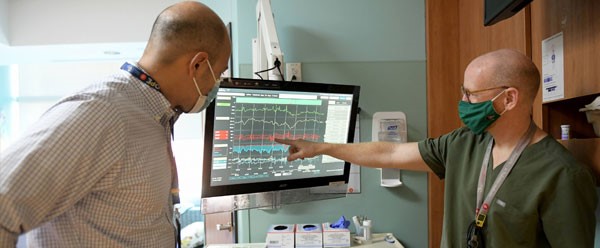
The software, called T3 (trajectory, target and trigger), was developed by ICU software development company Etiometry with input from some of the top children’s hospitals in the country. Dr. Zaccagni calls it a “situational awareness tool,” one that pulls information from the telemetry unit, ventilator and other machines and displays all the data on one screen. It also provides past data and trends and uses algorithms to warn staff of the probability of low oxygen levels in the venous blood (a surrogate of a lower-functioning cardiac pump). 

With 20 beds in the CVICU that are nearly always filled, anything that makes it easier for the team to track potential problems and potentially improve outcomes is a boon. 

The software’s greatest value comes from the historical information it provides, said Dr. Zaccagni. Physicians and nurses can then use objective data to review events and improve their knowledge about what happened and why, he said. For instance, they use the data during extensive reviews of all cardiac arrest occurrences. “It shows the baseline, what happened before the arrest and what happened that led to the physiology failure,” he said. And that can identify opportunities for improvement. 

“It provides two things we didn’t have before,” said cardiac intensivist Santiago Borasino, M.D. “The ability to see multiple vital signs trend at the same time on the same screen and the ability to see trends over time right at the bedside without running a report on a different computer.” 

“Sometimes the vital signs might look normal, but that might be very abnormal compared to what the patient was experiencing six hours ago,” Dr. Borasino said.  

It also improves rounding communication and efficiency, enabling the entire team, including the attending physician, fellow, bedside nurse, dietician, respiratory therapist and pharmacist, to view the patient’s history for the past 12-24 hours at the same time. “We want everyone on the same page,” Dr. Zaccagni said. “The goal is that everyone is aware of patients at risk for having an untoward event.” 

The other advantage is the software’s ability to continually recalculate the algorithm based on the changes in vital signs. “As intensivists, we’ve been trained to put together information from different sources to create a picture of whether the patient is fine or not fine,” Dr. Borasino said. But those mental algorithms are fraught by memory and sometimes wrong. The software, however, provides robust data analyses and assigns a probability of a problem. 

“The ability to view the history, see multiple vital signs at the same time and see data trends, I think, provides better monitoring and helps us find problems when they’re small rather than when they’re big,” said Dr. Borasino. “Everyone knows when the patient is crashing; the algorithm and the way the information is laid out in front of us might help us act before the patient is crashing.”