Browsing Category

Endocrinology

Endocrinology

Long-Term Effects of Gestational Diabetes on Kids

A new study from Children’s of Alabama shows the lasting impact of gestational diabetes on the child. (Stock photo)

New findings from a follow-up study at Children’s of Alabama and the University of Alabama at Birmingham (UAB) shed light on how a mother’s health during pregnancy may influence her child’s body weight well into adolescence—especially if that pregnancy was complicated by gestational diabetes. Led by pediatric endocrinology fellow Mary Margaret Barr, M.D., the new analysis builds on the foundational HAPi (Health After Pregnancy) study, conducted by  Paula Chandler-Laney, Ph.D., who directs UAB’s Ph.D. program in nutrition.

That original study assessed the health of 219 children ages 4 to 10. Mothers were divided into three groups based on her health during pregnancy: normal weight mothers without gestational diabetes (group 1); overweight or obese mothers without gestational diabetes (group 2); and overweight or obese mothers with gestational diabetes (group 3). Health-related data collected on the children included body mass index (BMI), waist-to-hip ratios, blood pressure and metabolic markers like glucose and cholesterol levels.

Barr’s research, which she presented at the Pediatric Endocrine Society annual meeting in May, went a step further. She reviewed electronic health records of 139 of the original study group to see how each group’s BMI Z-score—a metric that adjusts BMI for a child’s age and sex—changed as they entered adolescence.

As anticipated, children in group 3 (whose mothers had gestational diabetes and obesity) started off with higher BMI Z-scores that continued to trend upward through adolescence. “These were kids exposed to higher sugars while they were growing inside mom,” Barr said. Another key finding: Of all the children who had normal BMI Z-scores at the time of the original HAPi study (ages 4-10), those exposed to gestational diabetes (group 3) were significantly more likely to become overweight in adolescence.

Group 1—the control group—maintained healthy BMI levels over time, with only a slight rise in average BMI Z-score, which is often seen at adolescence.

The surprise came with group 2. These children, born to mothers with overweight or obesity but no gestational diabetes, initially had higher BMI Z-scores—even higher than group 3 at the study’s start. But over time, most of these children saw improvements in their BMI. “They started off big and then they got better,” Barr said. “Eventually, they ended up in the same range as the children born to normal weight mothers.”

This unexpected trend persisted even after adjusting for factors like maternal BMI, maternal education, household income and the number of children in the home. “These moms were of lower income, most of them below the poverty line, and had a lower education status,” she said. “You would have expected them to parallel group 3 and get worse over time. But they didn’t.”

The reason for the disconnect isn’t clear. “Nothing else stood out except for the child’s BMI during the HAPi study,” she said. “If you were heavier during the HAPi study, you were more likely to wind up heavier in adolescence. But it wasn’t a super strong correlation.”

Although none of the children developed diabetes during the follow-up period, Barr found a handful of prediabetes cases in groups 2 and 3.

The research provides a clue for pediatricians to intervene early in children with a high risk of obesity and/or diabetes. If the pediatrician knows the mother’s pregnancy weight and gestational diabetes history, they can be aware that the child may have a higher risk for obesity in the future. “So it’s probably more important to start earlier with healthy habits, a varied diet with less fried food, more vegetables, reasonable expectations of portion sizes, and exercise and movement,” Barr said.

While gestational diabetes and maternal obesity both increase a child’s risk for obesity, Barr’s findings suggest that gestational diabetes carries a more lasting impact than exposure to obesity alone. “We don’t fully understand the relationship between genetics, environment and exposures” on childhood obesity, she said. “But this data gives us another piece of the puzzle.” Her next step after publication is to expand the dataset to include maternal weight and metabolic health since the original study ended.

Endocrinology

New ways to manage high triglycerides in children

A Children’s of Alabama endocrinologist helped develop a framework and a tool to help manage high triglycerides in children.

In recent years, endocrinologists at Children’s of Alabama have seen a drastic increase in the number of young patients with severe hypertriglyceridemia—extremely elevated triglyceride levels that sometimes exceed 1,000 mg/dL, posing serious health risks if left untreated. This growing trend reflects a broader national concern: hypertriglyceridemia affects an estimated 10-20% of youth in the U.S., with prevalence reaching as high as 40–60% among children and adolescents with obesity.

But for many pediatricians and nurse practitioners, figuring out the best approach to manage this condition can be confusing. Recognizing the need for better clarity in diagnosing and managing these children and adolescents, the Division of Pediatric Endocrinology at Children’s of Alabama and the University of Alabama at Birmingham (UAB) spearheaded a pair of major research efforts.

Ambika Ashraf, M.D., director of the division, teamed up with mentee Charles Gagnon, M.D., now a pediatric resident at Boston Children’s Hospital, to write a much-needed review in Current Atherosclerosis Reports that aims to provide a clear, practical framework clinicians can use in everyday care. The article breaks down the various causes of high triglycerides in children, highlights when to worry, and outlines treatment strategies that range from lifestyle changes to medications. It also explains when clinicians should consider emerging therapies and what to look for to prevent serious complications such as pancreatitis.

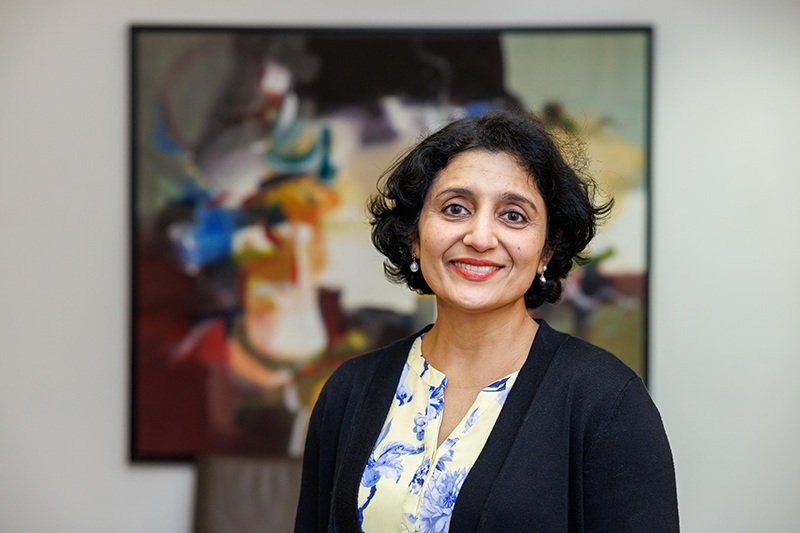
Ambika Ashraf, M.D.

“This work reflects our commitment to bridging academic knowledge with clinical practice, making a difference where it matters most: at the bedside,” said Ashraf, also the Ralph Frohsin Endowed Chair in Pediatric Endocrinology at UAB. “With a very high percentage of children affected by obesity, we are seeing a large number of pediatric patients with elevated triglyceride levels in our clinics.”

Ashraf also partnered with leading experts across North America to develop the first validated scoring tool in the region for familial chylomicronemia syndrome (FCS), a rare genetic disorder often implicated in severe hypertriglyceridemia. But Ashraf and her colleagues recognize that that some of these children may instead have an acquired condition called multifactorial chylomicronemia syndrome (MCS), which requires a different treatment approach.

The new scoring tool, known as the North American FCS Score (NAFCS), is designed to help providers distinguish between FCS and MCS in patients aged 1 year or older with severe hypertriglyceridemia. It incorporates factors such as body mass index (BMI), history of pancreatitis, triglyceride levels, apolipoprotein B levels and the presence of secondary contributors such as diabetes, medications or hormonal disorders.

The results of this collaborative effort were recently published in the Journal of Clinical Lipidology, marking a milestone in pediatric lipid care. The NAFCS score is not only a practical tool for frontline clinicians, Ashraf says, but also a prime example of how academic expertise can translate into improved patient outcomes. In addition, it may assist in confirming a clinical diagnosis of FCS in cases with inconclusive genetic testing.

“This has been a growing need,” Ashraf said. “Everyone on the panel who helped develop this tool thought this will help shape the current and future management of patients with FCS in the United States & Canada.” 

The Division of Pediatric Endocrinology’s involvement in this research highlights UAB’s national role in shaping pediatric lipid care, says Ashraf, who also serves as the director of the Pediatric Lipid Clinic at Children’s. In addition, faculty members actively participate in national working groups dedicated to lipid disorders, rare genetic diseases and pediatric obesity.

“We hope this new tool empowers more accurate diagnoses and more personalized, effective care for children struggling with complex lipid disorders,” Ashraf said. “For families, it offers hope, and for clinicians, it offers clarity.”

To learn more about the FCS score, visit https://www.lipid.org/nla/north-american-familial-chylomicronemia-calculator-or-nafcs-scoring-tool.

Endocrinology

QI Project decreasing no-shows in endocrinology clinic

Thanks to a QI project, fewer patients are missing appointments in an endocrinology clinic at Children’s of Alabama.

Missed appointments are nothing unusual in the world of clinical care. In Children’s of Alabama’s subspecialty clinics, a no-show rate of around 30% is not out of the ordinary. In some cases, these absences can derail a patient’s progress or allow their condition to worsen.

That’s why a team of clinicians at Children’s of Alabama started a quality improvement (QI) project to increase retention in the hospital’s Prediabetes and Metabolic Syndrome Clinic. Led by Grant Adams, CRNP; Christy Foster M.D.; and Jessica Schmitt M.D., MSHQS, the project has reduced no-show rates for return patients in the clinic from 37% to 18% in less than a year with support from the KPRI Quality and Safety Award.

The clinic, which opened in late 2022, was established to provide a centralized and dedicated clinic within the Division of Endocrinology and Diabetes for youth with metabolic syndrome and/or prediabetes. “Obesity and prediabetes are all too common in our youth,” Schmitt said. “When patients are referred to us, we want to be able to provide solutions beyond what pediatricians can provide. Further, some health care providers feel less experienced or comfortable managing obesity-related complications in children and counseling on lifestyle interventions. We felt it would be beneficial to assign these patients to a specialized team equipped to provide comprehensive, compassionate care focused on addressing these specific health concerns. As this patient population is a special area of interest for Grant, he was an ideal provider to lead this clinic.”

But when patients don’t return for follow-up appointments, it’s difficult for providers to achieve those solutions. That’s why the QI project was necessary. And it’s been effective; the team achieved the no-show decrease in the clinic by encouraging more patient-oriented options when educating and refining healthy habits. They operated under the motto: EMPOWER Healthy Habits. Providers adopted a modified version of the American College of Lifestyle Medicine (ACLM) pillars of health: sleep, social connections, stress management, activity, nutrition and mental health. They encouraged each patient to set SMART goals addressing one or two of these health domains.

Once a patient chose their goals, the team offered tools to help them succeed—for  example, a sound machine for sleep; activity dice for activity; portion containers for nutrition; craft kits for stress management; card games for social connections; journals for mental health.

All subjects were offered a body composition analysis and had access to a digital exercise platform, if interested. Same-day consultations with social work and nutrition were offered and encouraged. “Providing a human-to-human connection with a focus beyond the scale engaged patients and their families, particularly those who previously felt that healthy habits were out of reach,” Adams said.

Providers also worked with the families to determine the best methods for contacting them. When medically appropriate, they allowed shared decision making to guide follow-up frequency and modality (phone, MyChart, telemedicine, or in-person visits). “We’re working with families to make changes that meet their goals where they currently are, not a provider’s ideal change behaviors. This promoted the patients’ and families’ autonomy and agency,” Foster said. “This changed the dialogue from provider-dictated change to patient-centered.”

Provider training also played a crucial role. They received training in motivational interviewing (MI). “MI is frequently quoted as the ideal way to promote patient-led behavior change, but most providers have not received any training,” Schmitt said. “After working with Dr. Matthew McKenzie, the MI trainer working with the team, when I lean into MI techniques, I find visits more collaborative, rewarding and effective than when I try to tell a patient or family what to do.” The training is ongoing.

The team’s initial goal when they began the project in the December 2023 was to reduce no-show rates for return visits by 19% for a reduction from a baseline of 37% to 30% by July 2025. They nearly met that goal in the first stage alone, reducing missed appointments to 31% between December 2023 and July 2024. By the end of stage two in November 2024, the rate had fallen to 18%.

The work is evolving and continues as the EMPOWER Healthy Habits team continues to find better ways to serve their patients and families. “We are reassured by this success and look forward to working on sustaining these results,” Adams said. “In future endeavors, we look forward to evaluating if increased retention has health benefits for our patients, which is the ultimate goal.”

Endocrinology

Transition care for endocrinology patients

In the UAB STEP Clinic, Sajal Patel, M.D., helps patients with the move from pediatric to adult care.

The transition from pediatric to adult health care can be daunting, especially for people with chronic conditions requiring long-term management. Sajal Patel, M.D., an endocrinologist at Children’s of Alabama and the University of Alabama at Birmingham (UAB), understands this challenge. With her training in both pediatric and adult endocrinology, Patel is uniquely equipped to guide patients through this transition. Central to her work is the UAB Staging Transition for Every Patient (STEP) program, which is designed to ensure continuity of care for children as they move from pediatric to adult health care.

The dual role of Med-Peds specialists

Patel’s career path as a Med-Peds specialist combines training in internal medicine and pediatrics, allowing her to care for patients across the age spectrum. Her expertise is especially valuable in endocrinology. Thanks to modern medicine, many with pediatric endocrinopathies now survive into adulthood. For these individuals, Patel plays a key role in managing their ongoing care and preparing them to enter the adult healthcare system.

“Endocrinology is critical for Med-Peds because many pediatric patients are growing up with conditions we used to think of as life-limiting,” Patel explained. Her dual training enables her to address the unique problems of both pediatric and adult care, providing a seamless bridge for her patients.

A lifeline for transition

The STEP Clinic is a transitional program for patients with complex medical needs. These individuals often require care from multiple specialists or rely on complicated medical devices, like insulin pumps or ventilators. For Patel, the clinic is a vital resource for ensuring these patients do not fall through the cracks during the transition to adult care.

Beyond medical specialties like endocrinology, the STEP Clinic also addresses broader challenges such as legal guardianship, wheelchair accessibility, and long-term care placement. Patel collaborates with primary care providers and specialists to ensure every patient’s needs are met. She describes the clinic as a bridge, usually involving three to six visits to help patients transition to appropriate adult care providers.

Challenges in transitioning care

There are significant differences between the pediatric and adult healthcare system. Pediatric care often involves more hands-on support and frequent check-ins; adult care typically places greater responsibility on the patient. This shift can be overwhelming, particularly for people living with chronic conditions.

Insurance changes also pose a major hurdle, especially for people managing diabetes. “A lot of the medications and technologies covered by pediatric insurance are not automatically covered in adult plans,” Patel said. Her role includes helping patients overcome these complexities to maintain effective treatment.

A model for continuity

While the STEP Clinic is relatively new, it’s already making an impact. “It feels like a night-and-day difference,” Patel said. Both providers and families benefit from the program’s structured approach to the transition. Families gain peace of mind knowing their loved ones will receive consistent care, while providers feel confident that patients are not being lost in the system.

As healthcare continues to evolve, programs like the STEP Clinic offer a promising model for ensuring continuity of care. For Patel, the ultimate goal is to provide patients with the support they need to thrive as they transition into adulthood.

Endocrinology

Connection between weight and type 2 diabetes

Children’s of Alabama is one of 15 institutions across the U.S. involved in the DISCOVERY study. (Stock photo)

It’s a troubling trend: Type 2 diabetes diagnoses have rapidly increased in children and teens, especially during the COVID pandemic. Now, University of Alabama at Birmingham (UAB) and Children’s of Alabama investigators are joining others from 15 prominent institutions across the United States to reveal the factors leading to this phenomenon, which poses massive public health implications worldwide.

The DISCOVERY study aims to determine why some children who are overweight or obese develop type 2 diabetes while others do not. Children with diabetes tend to have a more rapid progression than adults to other serious health conditions and complications such as high blood pressure, kidney disease and retinopathy, experts say. So it’s crucial to fully understand the contributing factors in order to more precisely predict which children are at the highest risk—and potentially prevent them from developing the condition.

“Very few longitudinal studies have been done to determine which of these kids converts to type 2 diabetes,” said DISCOVERY co-investigator Barbara Gower, Ph.D., who’s also a professor and chair of the Department of Nutrition Sciences at UAB. “This study is designed to recruit at-risk children and see who actually converts to type 2 diabetes, looking at a broad suite of factors—everything from social risk factors to biological factors.”

Ambika Ashraf, M.D., study co-investigator and director of the Division of Pediatric Endocrinology at Children’s, agrees. “Even though we understand that high BMI predisposes someone to type 2 diabetes, what is really unclear is what prompts a child who has all these risk factors to convert,” she said.

The issue is particularly relevant to Alabama, which is one of 15 states considered to be in the “Diabetes Belt” because the incidence of type 2 diabetes is about one-third higher than the national average. Children’s cares for more than 80% of the state’s pediatric type 2 diabetes patients, with nearly 650 such children referred for evaluation for new-onset cases between March 2017 and March 2021. Additionally, hospital admissions for new-onset pediatric type 2 diabetes cases in Alabama more than doubled over a two-year span that led up to the early stages of the pandemic.

Over the next two years, DISCOVERY will enroll approximately 3,600 children and teens ages 9-14, all with a BMI at or above the 85th percentile and HbA1c levels of 5.5% or higher. Children will be tracked for between two-and-a-half and four years, completing comprehensive annual visits, including a three-hour oral glucose tolerance test and detailed physiological assessments. They will also undergo a brief visit every six months, along with telephone checks every three months to monitor for type 2 diabetes.

The study’s size is a huge strength, says Gower, also a senior scientist at UAB’s Diabetes Research Center. “Because the actual conversion rate to type 2 diabetes is still quite low, we need a lot of sites and participants in order to have enough children to analyze,” she explained.  

Ideally, Ashraf and Gower say, the DISCOVERY trial will produce new insights that help clinicians pinpoint exactly which children with high BMIs are most vulnerable to developing diabetes and stop the process.

“If we can determine the risk factors that predispose certain individuals to develop type 2 diabetes, that could have a huge impact,” said Ashraf, also a professor of pediatric endocrinology and associate director of the Comprehensive Diabetes Center at UAB. “It may have a global impact, too, because type 2 diabetes is going to cause a huge economic impact throughout the world.”

Endocrinology

Ashraf’s study shows characteristics of hybrid diabetes

A study led by Ambika Ashraf, M.D., shows the unique challenges that patients with hybrid diabetes face.

A study led by Children’s of Alabama endocrinologist Ambika Ashraf, M.D., highlights the unique characteristics of hybrid diabetes (HD) or double diabetes, distinguishing it from both type 1 and type 2 diabetes. It is pivotal in understanding the different trajectories of diabetes in children and may pave the way for more targeted treatment strategies.

The study, titled “Children and Adolescents With Hybrid Diabetes: A Management Conundrum” is a retrospective analysis from 2016 to 2020, examining 102 subjects with type 1 diabetes (T1DM), hybrid diabetes (HD), and type 2 diabetes (T2DM). It was published in the journal Endocrine Practice.

Key findings of the study indicate that children with HD show a blend of autoimmune diabetes autoantibody positivity (a hallmark in T1DM) and insulin resistance (a hallmark of T2DM), creating a complex treatment and management scenario.

Researchers found that patients with HD were still insulin dependent at a two-year follow-up, like patients with T1DM. Patients with HD also had a strong positive family history of T2DM and preserved endogenous c-peptide production, like patients with T2DM.

“Our study findings underscore the need for healthcare providers to be vigilant in diagnosing and managing this distinct form of diabetes, which poses unique challenges due to its hybrid nature,” said Ashraf, who’s the director of the Division of Pediatric Endocrinology and  Diabetes at the University of Alabama at Birmingham (UAB). “The study calls for further research to develop precision treatment strategies for pediatric patients with hybrid diabetes. Our team of researchers wants to encourage more research specifically on using insulin sensitizers and incretin based therapies.”

Other study authors included first author Charles A. Gagnon BS, UAB Heersink School of Medicine medical student, and Jessica Schmitt M.D., assistant professor in the Division of Pediatric Endocrinology and Diabetes.

Endocrinology

On the Front Lines of the Pediatric Obesity Crisis

In the Children’s of Alabama SHINE clinic, a multidisciplinary team take a holistic approach to helping patients with obesity.

About one in five children and adolescents in the U.S., representing nearly 15 million individuals, have obesity.[i] That puts the multidisciplinary Strategies for Health, Interventions, Nutrition, and Exercise (SHINE), clinic at Children’s of Alabama on the front lines of this complex issue. “It’s not just about weight loss,” pediatric endocrinologist Christy Foster, M.D., said. “We address the root causes of obesity and the various comorbidities associated with it. This holistic approach is vital for the long-term success of our patients.”

The clinic is run by adolescent medicine specialist Stephenie B. Wallace, M.D. In addition to Foster, the team includes a registered dietician, a physical therapist, an exercise physiologist and a social worker. Together, they create individualized plans for each patient focused on achievable goals.

Soon after starting in the clinic, Foster cared for a teenaged girl with obesity. The patient’s mother had type 2 diabetes, and the teenager had pre-diabetes. “Mom was just very worried and concerned for her,” Foster said. “But the girl was just very defeated. She felt it was her fault.” That’s not unusual, she said. “That’s one of the things that is tough around this condition. There’s a lot of shame and guilt.”

Christy Foster, M.D.

Foster assured the girl that her weight did not define who she was. She asked her to pick a goal to work toward. “She wanted to be a nurse,” she said. “So that became her motivation. I told her that if you want to take care of your patients, you have to take care of yourself first.”

When the teen returned for her next appointment, “she had such a light,” Foster said, and she’d started going to the gym. “There wasn’t a huge change all at once,” she said. “But she found the motivation. And that was one of the things she needed.”

The clinic’s philosophy is that obesity is a chronic disease, not a personal failing. “There are genetic, environmental, and psychological factors at play,” Foster said. “What I appreciate most about this clinic is our collective willingness to find creative solutions. We meet families where they are and tailor our recommendations to their unique circumstances. This adaptability is crucial for making a real difference in our patients’ lives.”

The clinic also emphasizes early intervention, encouraging primary care clinicians to refer patients before they develop the metabolic diseases of obesity, such as type 2 diabetes. “We now see that type 2 diabetes constitutes most of our new onset diabetes cases in children. This is a stark increase from a few decades ago,” Foster said.

New guidelines on childhood obesity from the American Academy of Pediatrics call for an aggressive approach to treatment, including pharmacotherapy and, in some situations, bariatric surgery. “We’re navigating these new recommendations carefully,” Foster said, “always weighing the benefits and potential risks. Cost is also a consideration, as insurance coverage varies.” In addition, the two newest weight-loss drugs, semaglutide and terzepatide, are only approved for use in adults, although they may be used off-label for children.


[i] Centers for Disease Control and Prevention. https://www.cdc.gov/obesity/php/data-research/childhood-obesity-facts.html.

Endocrinology

Going ‘beyond the scale’ in prediabetes treatment

A Children’s of Alabama clinic offers a family-centered approach to prevent prediabetes from progressing to diabetes. (Stock photo)

A lag in care for children with obesity and its complications can spell the difference between prediabetes and a full-blown case of diabetes. Recognizing this, Children’s of Alabama pediatric nurse practitioner Grant Adams, CRNP—who has always had a “big heart for children struggling with obesity”—spearheaded a new clinic at Children’s to fill the gap.

The result is the Prediabetes and Metabolic Syndrome Clinic, which was established in late 2022 and runs half-days every Tuesday at the Children’s Diabetes and Endocrine Clinic. The clinic is meant to prevent delays in care for children referred by their pediatricians for prediabetes, weight management and related issues.

These young people face the high risk that their prediabetes will progress into diabetes, a disease which affects more than 350,000 children and adolescents under age 20 in the United States, according to the Centers for Disease Control and Prevention (CDC). Nearly 20% of children and adolescents nationwide cope with obesity, predisposing them to diabetes as well as other health conditions.

Children’s pediatric endocrinologist Christy Foster, M.D.,  assisted Adams in establishing the clinic, which also includes physicians, a registered dietitian and a social worker. The team aims to move “beyond the scale” with a family-centered approach that emphasizes healthy eating habits and movement as well as medication management.

“My vision was to instill habits that would be lifelong,” Adams said. “We want to reinforce that just because there’s a family history of diabetes, it’s certainly not inevitable.”

To that end, clinic visits—which take place every three to six months—deeply involve parents and other caregivers. While staff members closely monitor patients’ well-being and lab work, the resulting positive changes often have ripple effects on the entire family.

“Rather than doing more prescriptive-style medicine where everyone is assigned the same interventions, we work with families to see what can be reasonably done for and with them,” said endocrinologist Jessica Schmitt, M.D.,  an assistant professor in the Division of Pediatric Endocrinology and Diabetes at Children’s and the University of Alabama at Birmingham (UAB).

“At every visit, we talk about how food is fuel,” Adams added. “Regardless of a child’s age, it’s not their responsibility to buy and cook the food, especially if they’re not teenagers. They rely on a family approach—and families buy in.”

Even so, results are mixed. Some children and teens who visit the clinic improve their diets and lifestyles dramatically, with associated improvements in their weight, blood sugar levels, and problems such as high cholesterol.

“This is a lifelong commitment, not a diet,” Adams said. “It isn’t a sprint, it’s a marathon.

“If we can affect this generation, my vision is that their kids will be affected positively,” he added. “Obesity is a pandemic, and we’ve got to stop it somewhere. I’ve decided it needs to start with kids. This is a generational problem, and we can make a positive impact.”

Endocrinology

Hypothalamic obesity – a potential breakthrough

Setmelanotide provides hope for patients with hypothalamic obesity.

Acquired hypothalamic obesity has long presented a complex challenge in healthcare, leaving pediatric patients struggling to lose weight. An innovative study involving a medication called setmelanotide aims to address this problem. Hussein Abdul-Latif, M.D., shed light on this groundbreaking research, offering insights into its origin, mechanism and potential impact.

Often arising from injuries or conditions affecting the hypothalamus, such as craniopharyngioma, acquired hypothalamic obesity makes it very difficult for pediatric patients to lose weight. There is also some evidence that slower metabolic rates and potential hormone deficiencies contribute to the problem in this specific patient population, along with other factors not fully understood yet.

Setmelanotide targets melanocortin receptors, which are crucial in regulating the body’s satiety signals. Abdul-Latif noted the medication’s impact on correcting the disrupted signals that lead to continuous hunger and reduced metabolism—two key factors contributing to this form of obesity.

“Our study is an extension of studies looking at the various genetic components to acquired hypothalamic obesity,” Abdul-Latif said. “We knew this medication was effective in treating obesity related to certain genetic conditions, so the next natural step was to consider whether it could be used for hypothalamic obesity resulting from injury to the hypothalamus.”

The ongoing phase three trial involves multiple sites, including Children’s of Alabama, enrolling patients up to 30 years old. So far, Children’s has recruited five patients to test the medication.

This trial utilizes a double-blinded method, where some participants receive the medication while others receive a placebo. Throughout the study period, researchers monitor each patient’s weight, satiety and skin pigmentation changes over a designated period. To date, only minor adverse events have been noted, including darkening of the skin and injection site issues.

Abdul-Latif also stressed the significance of this research in offering hope to those struggling with acquired hypothalamic obesity. He highlighted that this condition, previously perceived as challenging to treat effectively, now has a potential breakthrough. The medication provides promise for a segment of the population in need of more personalized solutions, hinting at a positive outlook for the future of treating this condition.

The clinical trial should end in April 2025. “At the end of the study, we give the medication to everybody regardless of their study cohort. That’s a nice incentive for prospective participants who may be desperate for something to help them lose weight,” Abdul-Latif said.

While the medication shows promise, Abdul-Latif emphasized the importance of exercise and hormone supplementation in conjunction with the treatment. The goal is to not only aid weight loss but also improve overall health and optimize the medication’s efficacy.

This groundbreaking research signifies a critical step forward in addressing acquired hypothalamic obesity. For participating patients, setmelanotide offers a newfound sense of hope. The ongoing clinical trial and subsequent FDA approval could signal a transformative breakthrough, marking a significant milestone in health care. As the study progresses, continued enrollment, diligent monitoring, and analysis of results will pave the way for a deeper understanding of setmelanotide’s efficacy and its potential to revolutionize the treatment of acquired hypothalamic obesity.

Endocrinology

Exploring GABA and GAD for Type 1 Diabetes

A study led by Gail J. Mick, M.D., shows promising results for treating new-onset cases of type 1 diabetes with GABA and GAD.

Could an over-the-counter supplement help save insulin production in new-onset type 1 diabetes? That’s the question pediatric endocrinologists Gail J. Mick, M.D., Kenneth McCormick, M.D. (now retired) and colleagues at Children’s of Alabama set out to explore. The answer, according to their recently published article in the journal Nature Communications, is, quite possibly.

The study explored the potential of the amino acid gamma-aminobutyric acid (GABA), found in health food stores, and glutamic acid decarboxylase (GAD), an enzyme that acts on glutamate to form GABA, to preserve pancreatic islet function.

GABA is an important neurotransmitter in the brain. However, it is also critical to insulin production, with GABA receptors found within the islet beta cells responsible for insulin production. Meanwhile, GAD converts abundant circulating glutamate from dietary protein and intestinal microbiota into GABA. 

Animal studies showed their potential to stimulate insulin secretion, inhibit glucagon overproduction, dampen inflammation and promote beta cell regeneration. Still, getting a clinical trial approved in a pediatric population took years.

“Nobody does first-line studies in children,” Mick said. “For safety reasons, studies are typically conducted in adults, but in type 1 diabetes, adults differ from children. In children, the autoimmune destruction of insulin secretion is faster.

“It took a lot of luck, hope and a dream we were going to cure diabetes with something safe and oral” to get FDA approval for the trial, she said.

The study randomized 97 children (average age of 11) within five weeks of their diagnosis to oral GABA with or without a GAD-alum injection. However, the researchers were constrained to low doses of the compounds, given the FDA’s concern about potential side effects.

Although the study didn’t meet its primary goal of preserving beta cell insulin production, the GABA/GAD combination significantly reduced glucagon levels, improving blood sugar levels. The study also found lower levels of the inflammatory cytokine expression implicated in the pathogenesis of type 1 diabetes. There were no adverse effects.

“Not only did we see reduced glucagon, but there were also beneficial immunologic effects,” Mick said. “We’re delighted by that.” The immunology results were recently published in the journal Biomedicines.

The positive outcomes show enough promise that further studies with higher GABA doses are warranted, Mick said, perhaps in combination with other agents, such as GLP-1 receptor agonists, which also have beta-cell regeneration effects.

“It’s fascinating,” Mick said. “Just fascinating.”