
All Posts By

childrensal

Behavioral Health

Children’s of Alabama offering mental health training for school personnel

School personnel are often the first to recognize a student’s mental health needs. (Stock photo)

As the mental health crisis continues across the country, children and teens are in greater need of mental health services than ever before. In many cases, the first person to recognize the child’s need is a teacher. But the teacher may not always know how to help. That’s why Children’s of Alabama recently expanded one of its mental health programs to offer training for school personnel.

The program, Pediatric Access to Telemental Health Services (PATHS), has been around since 2019. Children’s established it—with support and funding from the Alabama Department of Mental Health (ADMH)—in response to the need for more mental health services, especially in rural areas. The initial goal was to help primary care providers understand how to help patients who present with mental health concerns. Through the program, Children’s mental health professionals offer consults or education for providers or even telehealth appointments for their patients.

PATHS has since expanded into urban areas, and now, thanks to the extension of a Health Resources and Services Administration (HRSA) grant, Children’s is offering support to school systems across the state.

“This is an important step for our program,” PATHS director Margo Harwell, LICSW, PIP, said. “Because they see students daily, school personnel play a critical role in identifying early signs of mental health concerns in students.”

How it Works

When the PATHS team decided to expand their services to schools, they immediately realized their assistance would differ from what they offer medical centers. Providing on-the-spot consulting for teachers and administrators wouldn’t work, nor would telemedicine appointments. What they could provide, however, was education.

They began their efforts in the summer of 2024, meeting with mental health coordinators in school systems across Alabama to discuss what topics might need to be covered in their respective districts. Once those needs were identified, PATHS leaders set up in-person, virtual or hybrid training sessions.

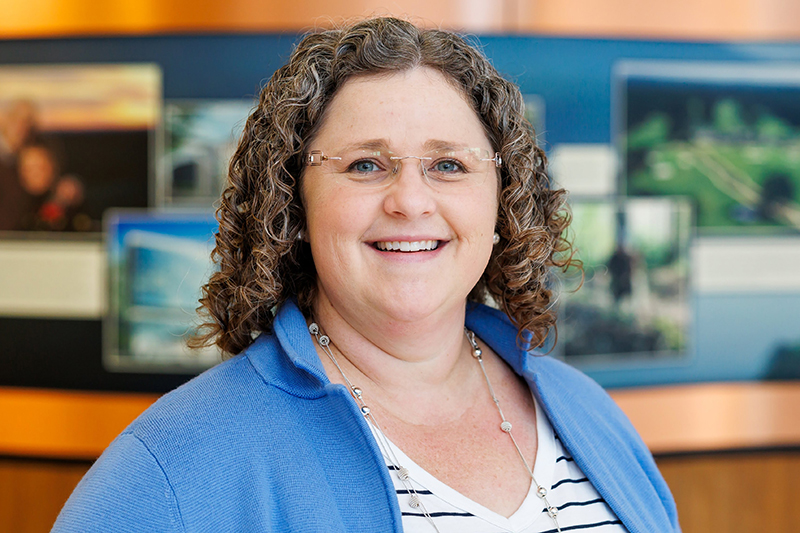
Margo Harwell, LICSW, PIP

“We have found that every school system is unique and has different training needs,” Harwell said. “For example, if schools mention that they have had an increased number of students experiencing anxiety, we can partner with that school to provide a targeted training that is focused on strategies to help students manage their anxiety within the school environment.”

PATHS leaders have offered training on that topic and others, including behavior management, depression, trauma and bullying. They’ve also taught educators how to identify the red flags of mental health concerns among students.

The focus is, of course, on how to help students. But educators’ mental health needs are crucial, too. To help with that, the PATHS team offers sessions on self-care. “If a teacher or counselor isn’t caring for themselves, it becomes much harder to have the patience and emotional capacity needed to identify and support a child facing mental health challenges or coming from a background of trauma—especially when those students might be exhibiting challenging behaviors,” Harwell said. By practicing better self-care, school personnel may be more likely to recognize that the child who’s acting out may actually be in need of support, she added.

The sessions, whatever the topic, are opportunities for discussion among school staff and Children’s mental health experts. “Training sessions include conversations about intervention strategies and guidance on how to help and support students within the school setting who may be experiencing mental health challenges,” Harwell said. Ultimately, they hope to help educators understand how to handle these issues as they arise.

Right now, the team is offering training sessions to teachers and counselors. Eventually, they may offer them to support staff or administrators, who often develop close relationships with students, Harwell says. “Think about bus drivers, for example. In many cases, they’re the first person to see a student each morning,” she pointed out. “Some students have the same bus driver for years, so they get to know them and may share their feelings or thoughts. This gives them insight into the child’s concerns or emotional state.”

More on the HRSA grant

The PATHS program exists because of a HRSA grant awarded to ADMH. The grant is a Pediatric Mental Health Care Access Program (PMHCA) grant, which Children’s helped write. The hospital receives the majority of the money awarded through the grant, which was originally approved in 2018, then extended in 2023. “These grants have been monumental to the building of this program and really sustaining it thus far,” Harwell said.

With the initial grant, Children’s started PATHS and began enrolling primary care practices. Today, 128 practices are enrolled. “The funding has been instrumental in being able to do that,” Harwell added.

The partnership with ADMH also has been vital. The organization offers guidance and facilitates collaboration with the other states and organizations through the HRSA network of PMHCA awardees. “This continually challenges us to look at how we’re doing, what we do and how we can continue to improve our program and our processes.”

The next step

The program’s next improvement may involve expansion into rural emergency departments (EDs). PATHS leaders already have initiated conversations with a few around Alabama. Harwell says the PATHS team hopes to offer access to their consultation lines to extend support if the ED has a child who arrives with mental health concerns. The goal, Harwell says, is not to intervene in situations of acute crisis—that is outside the role of PATHS. “But if a child is in a rural ED and needs to stay for a few days due to, say, lack of available beds, and there are concerns about mild to moderate mental health issues, we want to offer consultation services to support that child’s care,” Harwell said.

The impact

As the PATHS team keeps an eye toward the future, they’re also aware of how far they’ve come. Mental health care is difficult in Alabama—the non-profit Mental Health America (MHA) in 2019, the year PATHS was founded, ranked the state 7th in prevalence of mental illness among youth and 45th in youth access to care. By 2024, when MHA released its most recent rankings, Alabama had dropped to 14th in youth prevalence of mental illness and risen to 36th in youth access to care. Multiple factors have played a role in the improvements, and Harwell says PATHS is one. “Our state has really taken steps forward,” she said. “I happen to believe the PATHS program has helped with that.”

Hematology and Oncology

A New Chapter in Neurofibromatosis Care

Rebecca Brown, M.D., Ph.D., (left) and Katie Metrock, M.D., lead the Neurofibromatosis and Schwannomatosis Clinic at Children’s of Alabama.

Neurofibromatosis (NF) is a complex genetic disorder of the nervous system, marked by the growth of tumors—malignant and benign—along nerve sheath cells. In addition to tumor growth, it impacts nearly every organ, including the skin, eyes, heart and bones, and it causes neurological symptoms such as ADHD, speech disorders and learning disabilities.

There is no cure, although new treatments are emerging. Thus, it requires intensive management with a multidisciplinary team, which is exactly what the Neurofibromatosis and Schwannomatosis Clinic at Children’s of Alabama and the University of Alabama at Birmingham (UAB) offers.

Neuro-oncologist Rebecca Brown, M.D., Ph.D., directs the adult portion of the clinic, and pediatric neuro-oncologist Katie Metrock, M.D.,directs the pediatric side. The two work closely together, with Brown seeing patients as young as 12 and both teaming up to create a transitional program for children moving into adult care.

“The disease affects every aspect of these patients’ lives,” said Brown, who recently moved to UAB from Mt. Sinai Health System in New York City. “I tell people that I’m the most generalist sub-specialist that exists because NF experts are the only ones who really understand, pay attention to and address all these many aspects.”

“Even though they all have the same diagnosis of NF, every patient is different, and every family is a little different,” Metrock said. “So how do we approach care in a way that makes the most sense for each patient?”

For Brown, that means shifting the adult clinic from one that’s been focused on diagnosis, genetics and disease phenotype to one that can have a greater clinical impact on patients. “My focus is patient forward,” she said. “I’m interested in addressing the problems that patients experience, especially with regard to supportive care—including psychological care and pain management—and delivering the most recent recommendations for tumor surveillance and other health risk factors such as hypercholesterolemia, stroke and heart disease.” She also wants to bring more clinical trials to UAB to “try to push the envelope as far as developing novel therapies for their conditions.”

In addition, she offers a resection clinic to remove cutaneous tumors. After going through special training, she started it for two reasons. “The first is that patients have a difficult time finding a surgical specialist who has the interest and the bandwidth to remove these tumors,” she said. “And second is that the out-of-pocket costs can be prohibitive.” She can remove multiple tumors in a single 90-minute session, reducing both the financial burden and time commitment for patients.

On the pediatric side, non-medical specialists such as social workers, child life specialists and school liaisons provide the holistic level of support children and their families require. “There’s so much that needs to be to be managed outside of our clinic with these children,” Metrock said. “So the social worker and school liaison really help bridge the gaps between school and life.” The clinic also works closely with the Hope and Cope Psychosocial and Education Program to help address neurocognitive and mental health issues.

“We’re very committed to providing care for these patients, not just for their tumors, but for how the disease affects their life outside of our clinic,” Metrock said. “But I always felt we could grow. So I’m very excited that Dr. Brown is here and that we have a new push for what we can do for these families.”

That includes building on the existing multidisciplinary foundation and working on streamlining care for families so they don’t have visit the hospital—which might be hours away from their homes—for multiple appointments.

“They have other children, they have jobs, they have everything outside in life. And so, us asking them to ‘come back, come back,’ can be quite overwhelming,” Metrock said. “So, how can we streamline their care so that they’re getting the best care they can in a way that allows them to keep living their life away from clinic in the hospital?”

That involves bringing more clinicians interested in the condition into the clinic as well as expanding an already robust clinical research program.

Indeed, research is embedded in the mission of the clinic. UAB is the headquarters for the Neurofibromatosis Clinical Trials Consortium (NFCTC), which coordinates research across 24 sites internationally.

Girish Dhall, M.D., who directs the Division of Pediatric Hematology, Oncology and the Blood and Marrow Transplantation Program at Children’s, leads the consortium. Since its inception in 2006, it has grown from nine to 24 sites with more than 72 investigators, according to Karen Cole-Plourde, the NFCTC operations center program director. It has also launched 17 clinical trials involving more than 500 patients, with eight trials currently in development; published more than 19 peer-reviewed papers with five in progress; and landed more than $5 million in funding from pharmaceutical companies, foundations and government sources.

In addition, UAB boasts one of the world’s most robust neurofibromatosis genetic labs, which has identified more than 3,000 NF type 1 mutations.

The research team also played a crucial role in developing selumetinib, the first FDA-approved drug for NF, which blocks the action of an abnormal protein that signals tumors to grow. This can stop or slow tumor growth.

While selumetinib has been a major step forward, more fast-acting targeted therapies are needed, Brown said. “These patients can develop new and enlarging tumors in a relatively short period of time,” she added. “There is very much a need and value in finding medications that can stabilize or shrink those tumors over the long term.”

In the meantime, she and Metrock focus on proactive management. “We’re very proud of what we have here,” she said, “and are very aware of the responsibility we have to move forward for these patients.”

Hematology and Oncology

A New Chapter for Hope and Cope

Kristin Canavera, Ph.D., aims to strengthen the Hope and Cope Psychosocial Program as its new director.

As Kristin Canavera, Ph.D., has settled in to her new role at Children’s of Alabama, she’s had a chance to meet with many of the patients her team serves. What she’s seen has not just impressed her—it has reinforced her ideas on how to improve their lives.

Canavera, an associate professor of pediatric hematology-oncology at Children’s and the University of Alabama at Birmingham (UAB), is taking over as the director of the Hope and Cope Psychosocial Program for the Division of Hematology, Oncology and the Blood and Marrow Transplantation Program. She arrived in the fall of 2024, and the patients she’s seen since then have left a mark on her.

“I think our kids are incredibly resilient, and they impress me every day with all they’ve gone through,” she said.

Canavera knows their struggles. A cancer diagnosis can be extremely challenging for both a child and their family—not just physically, but psychologically. “They’re dealing with real stressors,” she said. “There’s just a lot of support these families could benefit from.”

The psychological aspect of their experience is what she hopes to address and improve. It’s been the goal of the program since its inception, and Canavera says she’s lucky to inherit a program that’s robust and multidisciplinary. But she hopes to take it a step further.

“Given that psychosocial care is a critical component of overall health care for our pediatric hematology/oncology patients, my vision is to improve the integration of mental health care into the medical care of these patients,” she said. 

Canavera’s primary goal is to change the model of care from reactive to proactive. To that end, she plans to implement regular mental health screenings for patients diagnosed with cancer and blood disorders. These will take place at various times throughout the patient’s treatment journey.

Canavera plans to create psychoeducational materials designed to help the patients better understand the psychosocial services and interventions the program offers. 

She also wants to expand bereavement support services, including a parent mentor program, where experienced parents whose children have been in the hospital can support those newly navigating the medical system.

“Parents really want to talk to other parents who’ve been through it,” Canavera said. “That’s their best support. Even though I’ve worked with this population for several years, I haven’t walked in their shoes.”

Canavera also plans to expand services to traditionally underserved populations, particularly adolescents, young adults, and patients with sickle cell disease.

In all of her strategies, Canavera aims to take a family-centered approach, which she says will be crucial in strengthening and expanding psychosocial services.   

Gastroenterology

New technology improves diagnosis of esophageal conditions

The Children’s gastroenterology team began using Endoflip in the fall of 2024.

Diagnosing esophageal disorders in pediatric patients presents a number of challenges for both providers and patients. The diagnostic tools typically used in the past often caused discomfort for the patient and made diagnosis difficult. Thanks to the addition of a new technology, Children’s of Alabama is able to circumvent these issues to streamline the process for both sides.

In the fall of 2024, Children’s began using an endoluminal functional lumen imaging probe, also known as EndoFlip. It’s a device that evaluates esophageal distensibility under general anesthesia during endoscopy to provide important insights for patients with conditions like dysphagia, eosinophilic esophagitis (EoE), and post-surgical complications. Clinicians have been using this on adult patients since 2009, but it was FDA approved for children 5 and older in the last few years, and at least one study suggests it’s also safe for patients even younger. In pediatric patients, who often struggle with conventional methods, the use of anesthesia significantly reduces stress and discomfort for both children and their families.

“For conditions like EoE, where esophageal inflammation and reduced distensibility are common, this tool bridges the diagnostic gap,” said Diana Montoya Melo, M.D., a pediatric gastroenterologist at Children’s. “We can now identify abnormalities that were previously undetectable, leading to timely and effective interventions.”

EndoFlip is particularly beneficial for patients with swallowing difficulties. By measuring esophageal distensibility, physicians can detect subtle functional issues that may not be evident with endoscopy or other imaging studies. For instance, patients with EoE often present with swallowing challenges despite minimal inflammation.

EndoFlip also helps physicians identify areas of reduced esophageal diameter, guiding therapeutic interventions such as esophageal dilation. This can lead to immediate symptom relief and dramatically improve a patient’s quality of life. “We can identify abnormalities we couldn’t before, like areas of decreased distensibility, and address them with esophageal dilation — fixing symptoms immediately in some cases,” Montoya Melo said.

The technology also helps evaluate post-surgical complications in patients with congenital esophageal anomalies, such as tracheoesophageal fistula. By pinpointing areas of reduced distensibility, EndoFlip helps ensure accurate diagnoses and effective management plans.

For Children’s clinicians, introducing EndoFlip into existing diagnostic workflows has streamlined the patient management process. Combining it with endoscopy has enabled physicians to save time and resources, avoiding the need for multiple procedures. “It only adds about five to seven minutes to the procedure, yet it provides critical information that can prevent unnecessary repeat evaluations,” Montoya Melo said.

Patients also benefit from reduced hospital visits, fewer diagnostic tests, and faster resolutions to their symptoms. Also, EndoFlip’s ability to guide precise interventions eliminates the trial-and-error approach, saving both time and health care resources.

“The biggest advantage for families is being able to get information similar to esophageal manometry while the patients are sedated during endoscopy,” Montoya Melo said. “This avoids the discomfort of a transnasal catheter procedure while awake.”

Neurology & Neurosurgery

New MEG at UAB to enhance neuroimaging possibilities 

A new magnetoencephalography could improve treatment of multiple brain diseases at UAB and Children’s. (Photo by Andrea Mabry)

By Katherine Gaither, UAB

The complexity of the human brain has long been an enigma that neuroscientists have sought to untangle. Now, new technology at UAB will act as a critical tool to help researchers and clinicians interpret the brain in unprecedented ways.

UAB has recently invested in a new MEG, which stands for magnetoencephalography. It is used on pediatric and adult patients, so it benefits patients at both UAB and Children’s of Alabama. Put simply, MEG technology measures the magnetic fields that come from the brain’s nerve cells in an effort to analyze their function—and does so at millisecond intervals.

These implications are significant not only for localizing abnormalities in the brain in patients with diseases like epilepsy but also for studying how the brain performs normal functions like speaking, hearing, and seeing.

“It’s not invasive,” said Ismail Mohamed, M.D., professor in the UAB Division of Pediatric Neurology, Department of Pediatrics. “You don’t have to put electrodes in the brain, and it has no risks. You can potentially measure brain activity across multiple sessions. You can potentially measure them across a lifetime span. You can use it to learn things about how our brain functions.”

Measuring the brain’s magnetic fields

UAB was among the first medical centers in the country to obtain a MEG, having done so originally in 2001; however, evolving technology has created a need for replacing the old technology with a new one. The new machine was installed in September 2024.

Many are familiar with MRI as a form of imaging to interpret brain activity; however, having a MEG is not as common. UAB is one of fewer than 30 clinical centers in the nation that houses this technology.

“MRI looks at structure, but MEG primarily looks at the brain waves itself,” Mohamed explained.

The machine operates in a sealed room with a thick door, which eliminates outside magnetic noise. Patients lie or sit still during the scan, which takes precise magnetic field measurements of brain activity.

“The experience is not much different from laying inside an MRI scanner; however, the technology is quite different, and the way we measure is quite different,” Mohamed said. “It’s a passive measurement, which means that even if you’re pregnant, for example, you still can get a MEG scan. There are no risks.”

Compared to MRI and other brain scans like PET, and SPECT, the MEG gives you unique information about the brain as it tracks the activity of the nerve cells. EEG scans are similar, but the MEG has a heightened ability to localize this activity.

“A traditional EEG uses 25 electrodes. The MEG has 306 sensors,” Mohamed said. “So that coverage of the brain is bigger, it enhances the potential to produce more accurate information.”

According to Benjamin Cox, M.D., assistant professor in the UAB Department of Neurology, the difference is also electric vs. magnetic.

“The electrical fields that EEGs are recording are very much attenuated by the skull and all the intervening tissues,” Cox said. “The magnetic fields are not. So, we get a lot more precise localization with the MEG.”

Clinical implications

One significant implementation of the MEG is for use in epilepsy surgery to determine where in the brain seizures originate. Surgeons can use the results of a MEG scan to plan epilepsy surgeries.

“When we’re doing epilepsy surgery and trying to figure out if patients are a surgery candidate, we need to know exactly where the seizures are coming from as precisely as possible, and many times we end up putting electrodes in the brain to sample that activity directly,” Cox said. “So having studies like MEG, where we can have a precise idea of where to put those electrodes, is very helpful.”

Kristen Riley, M.D., professor in the UAB Department of Neurosurgery, notes that “MEG studies help us as surgeons to localize seizure onset zones, directing us to areas to implant monitoring electrodes. Often these areas look completely normal on MRI, but are identified by the MEG study as possible sites of seizure onset.”

A second clinical implementation involves functional brain mapping—to localize areas important for language, sensory and motor function.

“It has huge implications for learning, like child development,” Mohamed said. “Learning new languages. Processing information as the child grows. It also has a lot of potential research use for the prediction of disease outcomes. Studying things like dementia or Alzheimer’s disease.”

Cox added that the new MEG’s presence within UAB Hospital creates advantages for patients and clinicians when used as an inpatient procedure instead of an outpatient procedure, as it has been in the past.

“Epilepsy patients are on seizure medicines on a day-to-day basis to prevent seizures from happening,” Cox said. “When we bring them into the hospital and evaluate them for surgery, we get them off of their medicines, which increases epileptic activity in the brain, so it will hopefully increase the likelihood we record epileptic activity during the MEG scan.”

Studying epilepsy less invasively

From a research perspective, Rachel Smith, Ph.D., assistant professor in the UAB Department of Electrical and Computer Engineering, had been using the existing MEG to validate methods that she has been developing for intracranial EEG in epilepsy patients through a project funded by CURE Epilepsy.

“We’re electrically stimulating a given brain region and then looking for responses in the rest of the brain,” Smith explained. “That is helping us build these unique brain networks. So, we know if we stimulated in one region and see a response in another region, that means that those two regions are likely functionally or anatomically connected in some way.”

Smith and her team are then using MEG data to build computer models that can hopefully test neurophysiological signals virtually to localize epileptic seizures—and therefore less invasively.

“We’re actually saying, let’s build a network from MEG data and see if we can do a virtual stimulation where we actually just stimulate in the computer model and not in real life and see if we can get the same clinical information out,” Smith added.

The new MEG will be a useful tool for advancing research into the future; however, researchers are already realizing significant research implications with the new technology.

“It’s going to be really helpful and translational for a lot of patients right now,” Smith said. “I think being one of 27 centers across the U.S. that has access to this in our hospital is a huge opportunity for people here at UAB to take advantage of. We’re really excited.”

Gastroenterology

Nasogastric tube replacement at home

In April 2024, Children’s began offering training for families on how to replace nasogastric tubes at home. (File photo)

More than 100 children and adolescents are sent home from the inpatient setting at Children’s of Alabama every year with a nasogastric (NG) tube. Often, it’s a way to postpone or avoid surgically implanted tubes. The problem is that the tube can get out of place or the child pulls it out—sometimes multiple times a day. When that happens, caregivers have to return to Children’s—which can be an hours-long drive—or go a closer emergency room that may not be able to replace the tube. 

To reduce the strain on caregivers, Children’s began a one-hour training program in April 2024 to teach caregivers how to replace NG tubes at home. 

The curriculum is based on the NOVEL (New Opportunities for Verification of Enteral Tube Location) project, which established best practices for pediatric NG tube placement. The program primarily serves children of all ages.

Since it launched, nurses have trained more than 20 families through the gastrointestinal service alone, with more caregivers taught via other hospital departments. Caregivers practice on mannequins but must then demonstrate they can safely place the tube in the child before they are discharged on home NG care. “There’s no emotion involved in the model,” said pediatric gastroenterologist Rachel Kassel, M.D., Ph.D., who championed the program for years, “but there is on one’s own child.”

“They’re nervous about it, obviously,” said Kelli Anderson, RN, the GI care coordinator at Children’s, who trains nurses and other clinicians to provide the education. “But after we go through the steps on the mannequin and they do it and then they do it on their own child, they’re like, ‘Oh, that wasn’t as hard as I thought it was going to be.'”

“This offers us the ability to decrease the use of surgical tubes, and it reduces the number of trips a family has to take outside of their home,” Kassel said. “While there’s always some risk, it can be made safest by having nurses teach best practices.” Risks include putting the tube in the lungs, high in the esophagus, or in the small bowel. To date, however, there have been no complications with the families trained.

Caregivers learn techniques to keep squirming babies still during insertion, usually by swaddling or having another person gently hold the child’s arms. They’re also taught to verify proper tube placement via pH testing of stomach contents. To date, there are 13 nurses and nurse practitioners, as well as Kassel, providing training.

For many parents, the hardest part is psychological. “Just kind of getting the tube to go initially, to get it past the nasal cavity, that’s biggest thing that they have problems with,” Anderson said. “They’re afraid they’re going to hurt the child.”

Some families ultimately decide the home care option isn’t right for them. “We’ve had the experience of bringing the model in for some families and going through the training where they said, ‘I’m not comfortable doing this,'” Kassel said. “We totally respect that. We’ve also had cases where one parent is comfortable but the other is not, or grandma is comfortable but the parents are not. That’s also fine.” The team also assesses patients and their caregivers to determine if they qualify for NG tubes and/or home replacement, with strict guidelines for selecting the appropriate families.

The program provides bilingual training in Spanish and English and can accommodate non-literate caregivers. 

Early results suggest the program is achieving its goal of reducing emergency room visits and long trips for medical facilities. 

“It’s letting us provide much more family-centered care,” Kassel said. 

Behavioral Health

Transforming Behavioral Health Services in the Emergency Department

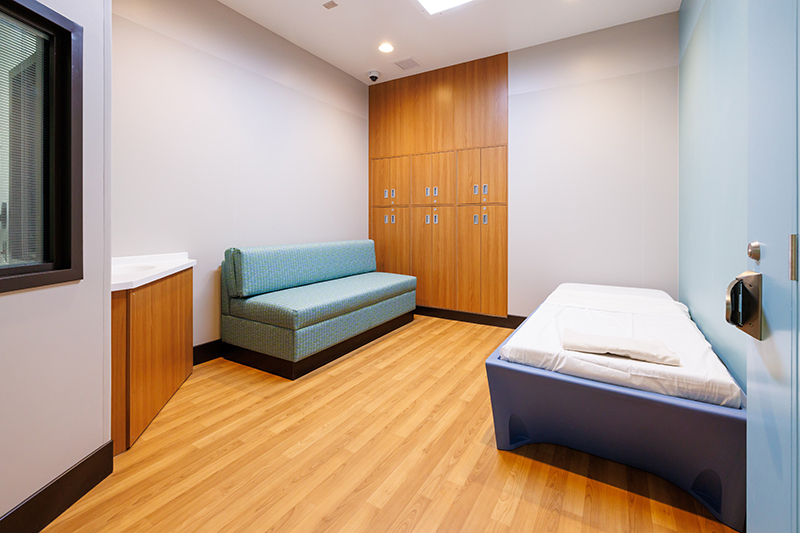
A look inside one of the rooms in Children’s of Alabama’s Nature Hall, a behavioral health unit within the emergency department.

Two years after opening a behavioral health safe area within its emergency department (ED), Children’s of Alabama is already seeing dramatic improvements to the way children in mental health crises are treated. It’s the fruition of a vision the hospital’s behavioral health team began developing several years ago.

The Children’s of Alabama Nature Hall opened in March 2023 as an expansion of the ED designed to provide 24/7 services to children and adolescents who arrive in need of mental health evaluation. With 16 beds, it quadrupled the hospital’s capacity to treat children with mental health needs in the ED. Children’s developed it in response to a record surge in mental health patients that began around 2019.

Marked improvement 

Already, the Nature Hall’s impact is clear. Since it opened, the average length of stay for patients discharged from the ED has decreased from 9.46 hours to 4.55 hours. The number of patients who left without being seen dropped all the way to zero in 2024, compared to 47 in 2022, the year before the Nature Hall opened. “These are incredible outcomes that reflect the dedication of our staff and the importance of having the right resources in place,” said Bonnie Moore, director of Inpatient Behavioral Health Services at Children’s.

Moore attributes the Nature Hall’s success in part to the team’s decision to staff the unit with trained behavioral health professionals, including nurses, behavioral associates and psychiatric providers. “This ensures children receive care from experts who understand their unique needs, which has greatly enhanced patient outcomes,” she said. 

Some of the staff who serve the unit are part of the Psychiatric Intake Response Center (PIRC), which is a phone response center for adults seeking mental health resources for their children or adolescents. The PIRC team is made up of licensed mental health professionals who, in addition to answering calls, provide behavioral health consultation services within the ED. In the Nature Hall, PIRC therapists provide evaluations, Alabama Department of Human Resources reporting, discharge planning, and transfers to outside hospitals. With the PIRC’s robust database of more than 1,900 providers, team members are also able to offer mental health resources for patients and their families.

“The PIRC program bridges a critical gap in mental health care by providing both in-person and phone-based resources,” PIRC director Cindy Jones, MA, LPC-S, NCC, said.

The idea behind the Nature Hall

The need for a behavioral health safe area like the Nature Hall became evident in 2019 when the hospital faced an record surge in emergency mental health cases. Behavioral health patients began occupying up to half of the ED’s beds, far exceeding the capacity of its original four-bed, behavioral-health-safe “pod.” This crisis prompted Children’s to repurpose an underutilized space within the ED, culminating in the creation of Nature Hall. Now, children and providers both benefit from this state-of-the-art area dedicated to pediatric behavioral health patients.

Both Moore and Jones attribute the rising demand for children’s mental health services to several factors, including social media influences, exposure to inappropriate content online, and increased societal stressors. While these challenges existed prior to the pandemic, COVID-19 exacerbated the crisis. “People are now more willing to seek mental health care due to reduced stigma, but this has created additional pressure on resources,” Jones explained. “However, part of the PIRC’s mission is assist caregivers by helping them navigate what behavioral health services are available, match them with the appropriate services and resources in their communities, and educate them on what to expect.” 

Children’s of Alabama continues to refine its approach to managing pediatric mental health demands, demonstrating how targeted efforts address urgent public health issues. Moore says the improvements Children’s has seen since opening Nature Hall highlight the impact of investing in specialized care for the most vulnerable patients.

Urology

Improving pediatric renal injury care

A urology collaborative seeks to standardize care for suspected renal trauma in children. (Stock photo)

Current guidelines for the evaluation and management of renal injury focus on adult patients, as these cases are relatively uncommon among children. In recognition of this gap, Carmen Tong, D.O., alongside a team of experts including David Kitchens, M.D., developed the Trauma Renal Injury Collaborative in Kids (TRICK). Consisting of five Level-1 tertiary pediatric trauma centers across the United States, this initiative aims to standardize both evaluation and management protocols for pediatric patients with high-grade renal trauma.

The importance of studying pediatric renal trauma

Anatomical differences impact children’s susceptibility to renal injury from blunt abdominal trauma. Children’s kidneys are smaller and typically less protected by surrounding anatomical structures, which increases their vulnerability to injury from impact. Children cannot be viewed as “little adults,” but current guidelines for renal trauma typically cater to adult patients, leaving health care providers without clear guidelines for children.

“There are currently no standardized protocols on how to image children with suspected renal trauma. This is partly due to the ‘as low as reasonably achievable’ (ALARA) principle and other efforts to reduce exposure to radiation in this population,” Tong said. “The key is to identify which patients might benefit from any radiation imaging such as CT while avoiding unnecessary repeated imaging in stable, asymptomatic patients.”

Clinicians typically manage renal injury in children with conservative interventions or with repeated imaging for symptomatic patients. “A good number of patients are transferred in from outside institutions with radiographic imaging already obtained,” Kitchens said. “Before our study, we would usually recommend repeating some of these studies as we did not feel they provided necessary information to guide treatment. But now we know that only a small number of these patients (those with gross hematuria or otherwise clinically unstable) will require repeat imaging upon presentation.”

Key findings and implications

At the 2023 Societies for Pediatric Urology meeting in Houston, Tong and Kitchens presented groundbreaking findings from TRICK’s research. One pivotal discovery revealed that children with gross hematuria (visible blood in urine) following trauma benefit from more extensive radiologic evaluation, similar to adult patients. This novel discovery challenges the prevailing assumption that pediatric and adult renal trauma require vastly different diagnostic approaches.

This finding also helps clinicians better recognize pediatric patients at increased risk for surgical intervention who would, by turn, benefit from a more thorough radiographic evaluation. By identifying these children early, healthcare providers can prioritize further radiographic testing. However, for stable, asymptomatic patients, repeat imaging can often be avoided, reducing both patient risk resulting from radiation and overall health care costs.

Advances in diagnosis and treatment

In recent years, the management of pediatric renal trauma has shifted toward conservative approaches, with most injuries resolving without surgical intervention. In many cases, this is thanks to emerging diagnostic tools, such as contrast-enhanced ultrasound. For the 12% of patients requiring surgery in TRICK’s cohort, clinicians used minimally invasive techniques to treat kidney injuries, reflecting advancements in pediatric urology.

Broader implications for trauma care

By collecting data from diverse geographic regions, the TRICK consortium generates robust evidence that single institutions might struggle to achieve independently. This approach not only improves outcomes for pediatric renal trauma but also sets a precedent for addressing other pediatric conditions requiring specialized care.

For parents and guardians, TRICK’s work highlights the importance of vigilance following blunt abdominal trauma. Visible blood in a child’s urine or significant trauma to the side of the body — common in sports injuries or falls — warrants a rapid medical evaluation to rule out renal injury. Educating families about these warning signs promotes early intervention and better outcomes.

The path forward

TRICK’s ongoing efforts aim to standardize imaging protocols, particularly for children with gross hematuria, as a predictor of surgical intervention. Tong predicts that future studies will likely explore additional predictors and refine management strategies, further enhancing pediatric trauma care. Through collaboration and innovation, TRICK continues to make strides in ensuring that children with renal trauma receive the best possible care, tailored to their unique needs.

Orthopedics

Williams leading new MSK infection collaborative

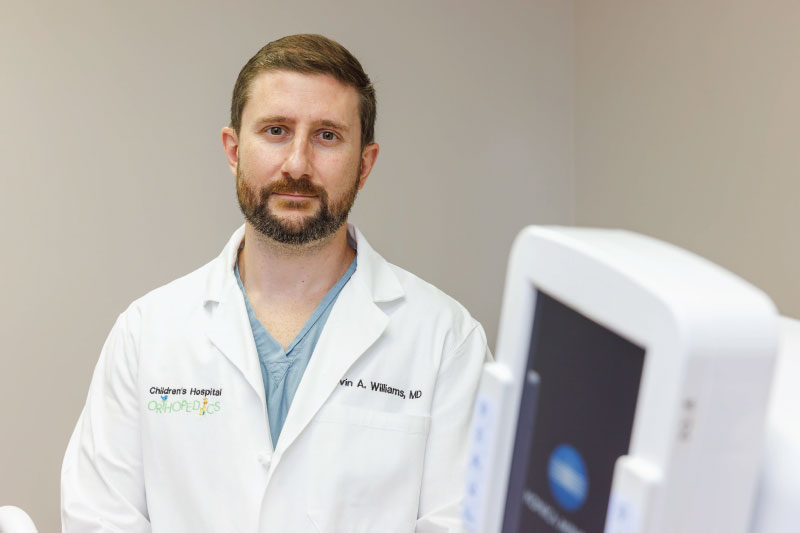
Kevin Williams, M.D., is spearheading an initiative designed to improve musculoskeletal infection treatment at Children’s.

Characterizing musculoskeletal infections in children can be far trickier than in adults, especially in children under 5, posing challenges for pediatric orthopedic surgeons to decide on the best course of treatment.

This dilemma has spurred an innovative collaboration between the orthopedics and radiology departments at Children’s of Alabama to determine which young patients might be best-suited for special MRI imaging techniques that can both be performed quickly—avoiding sedation—and represent the best hope for distinguishing crucial infection characteristics.

Between 500 and 1,000 children are evaluated at Children’s each year for musculoskeletal (MSK) infections, which occur spontaneously at higher rates than in adults and can lead to complications such as osteomyelitis.

“Many children under 5 can’t tell you where it hurts specifically or if they have symptoms like muscle aches or chills, and we have to get a lot of information from their parents,” explained Children’s orthopedic surgeon Kevin Williams, M.D., who is spearheading the orthopedics-radiology initiative.

While X-ray and ultrasound imaging can help, MRI represents the gold standard for determining many infection characteristics. “Ultimately, it tells us if a child needs an operation to treat their infection or if it could get better with antibiotics and supportive care,” added Williams, who’s also an assistant professor of orthopedic surgery at University of Alabama at Birmingham (UAB). “That said, getting an MRI can be tricky, especially in the age group of those kids who can’t participate well in a clinical exam. And if they’re in pain, they can’t necessarily hold still for an MRI.”

Williams and his colleagues have been tracking improvements over the past decade in technology and MRI techniques that can counteract this problem. Research just last year, he says, assessed “specific MRI sequences or sets of images that can be performed expediently to avoid sedating or putting a child to sleep for the MRI, and they’re also good enough quality for clinical decision making.”

Children’s of Alabama’s orthopedics and radiology departments are now working together to determine which of the hospital’s MRI machines are capable of this technology. They’re also consulting with anesthesiologists to determine which young patients may be suitable for those types of MRIs.

In the fall of 2024, the teams were able to develop a “FAST protocol” for musculoskeletal imaging to assist with efficient clinical decision making. This protocol takes typically less than 15 minutes and does not necessitate sedation or gadolinium contrast application. It has significantly improved treatment protocols for these infections, and the team anticipates it will reduce health care expenditures, time in the hospital, and most importantly, it will be beneficial to patient outcomes.

“We are constantly striving to revolutionize the care we give to the children of Alabama with musculoskeletal infections,” Williams said. “Innovating our practice with the help of the most recent medical literature will keep us at the forefront of delivering the best patient care possible.”

Orthopedics

Leading the way in limb deformity care

The Children’s of Alabama Limb Deformities Program is setting the standard in Alabama and beyond. (Stock photo)

Born with one leg shorter than the other, the young boy set two exciting goals after Children’s of Alabama chief of orthopedics Shawn Gilbert, M.D., corrected his condition with leg-lengthening surgery. The first was to buy a pair of “cool” sneakers that didn’t require lifts to align his gait; the second was to learn to ride a bike, which he couldn’t manage before.

Two decades later, Gilbert still keeps updates the boy’s parents sent him through the years, grateful for how their son’s life was transformed. It’s just one example of the thousands of young patients who have benefited from Children’s Limb Deformities Program, which launched after Gilbert’s arrival in 2003 and is now recognized for its deep expertise across Alabama and the globe.

“I often tell patients that limb-lengthening surgery is my favorite kind of surgery to do, because I still can’t believe it works,” said Gilbert, who’s also a professor of surgery in the Division of Orthopedic Surgery at University of Alabama at Birmingham (UAB). “Essentially what you’re doing is dividing a bone and stretching it apart, then watching it fill in with new bone in the gap. The whole process, to me, is really amazing and never gets old.”

Gilbert’s fascination with the field has helped cultivate a similar mindset among the department, which includes seven orthopedic surgeons—more than the total number of pediatric orthopedic surgeons in the rest of Alabama. Serving patients with conditions that include bone diseases and dysplasias like rickets and achondroplasia, Blount’s (a disorder in the growth plates in the bones around the knee), and undeveloped limbs, the program offers both surgical and non-surgical treatments for these children, whose mobility and morale can both suffer because of their differences.

About 140 young patients are enrolled in Children’s Limb Deficiency Clinic, which joins specialists from orthopedics and rehabilitation medicine to serve patients with amputations and other limb deformities.

“Some children have milder angular deformities (such as knock knees or bowed legs) that might not create a big functional deficit, but might be pretty noticeable,” Gilbert said. “Many parents report their children are teased or bullied on account of that. If their issue is bigger, they may need assistive devices, prostheses, or even be unable to walk and need a wheelchair.”

Surgical correction is the approach for 30-50 patients at Children’s each year, most of whom have limb deformities. Many patients are referred from other institutions across the state because of Children’s of Alabama’s reputation.

Gilbert, who has held leadership positions in state and national orthopedic organizations, recently spoke in China at a global conference focused on trauma repair, limb deformity correction, limb lengthening and limb reconstruction. “That’s one of the ways we’re recognized for our expertise in this area,” he said.

Now performing more pediatric limb reconstructions than anyone else in the Alabama, Children’s orthopedic surgeons would next like to examine how patient outcomes might be harmed by inequities in access to care. Since limb deformity treatments—especially lengthening procedures—involve a great many medical visits over a longer period of time, “there’s a big burden of care on the families, and having the resources to help with that is really important,” Gilbert said.