Browsing Tag

pediatrics

Neurology & Neurosurgery

New MEG at UAB to enhance neuroimaging possibilities 

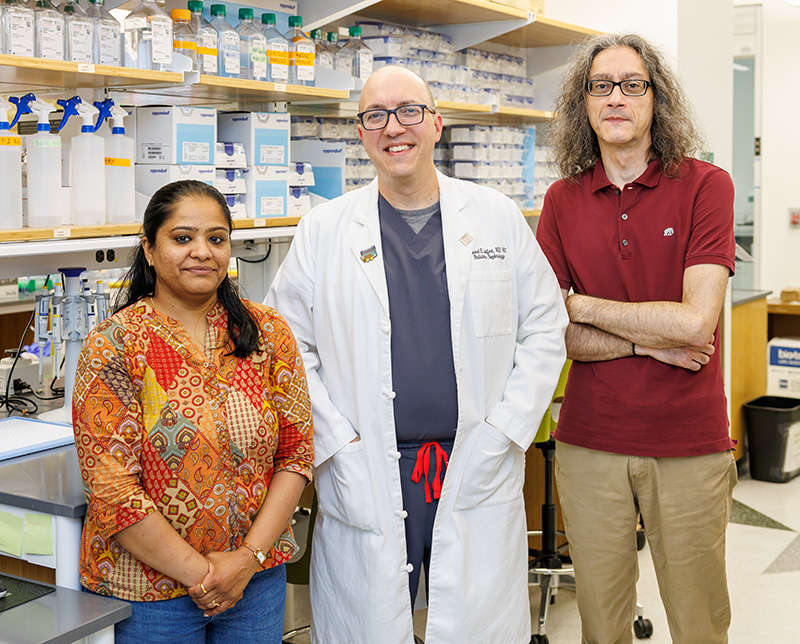
A new magnetoencephalography could improve treatment of multiple brain diseases at UAB and Children’s. (Photo by Andrea Mabry)

By Katherine Gaither, UAB

The complexity of the human brain has long been an enigma that neuroscientists have sought to untangle. Now, new technology at UAB will act as a critical tool to help researchers and clinicians interpret the brain in unprecedented ways.

UAB has recently invested in a new MEG, which stands for magnetoencephalography. It is used on pediatric and adult patients, so it benefits patients at both UAB and Children’s of Alabama. Put simply, MEG technology measures the magnetic fields that come from the brain’s nerve cells in an effort to analyze their function—and does so at millisecond intervals.

These implications are significant not only for localizing abnormalities in the brain in patients with diseases like epilepsy but also for studying how the brain performs normal functions like speaking, hearing, and seeing.

“It’s not invasive,” said Ismail Mohamed, M.D., professor in the UAB Division of Pediatric Neurology, Department of Pediatrics. “You don’t have to put electrodes in the brain, and it has no risks. You can potentially measure brain activity across multiple sessions. You can potentially measure them across a lifetime span. You can use it to learn things about how our brain functions.”

Measuring the brain’s magnetic fields

UAB was among the first medical centers in the country to obtain a MEG, having done so originally in 2001; however, evolving technology has created a need for replacing the old technology with a new one. The new machine was installed in September 2024.

Many are familiar with MRI as a form of imaging to interpret brain activity; however, having a MEG is not as common. UAB is one of fewer than 30 clinical centers in the nation that houses this technology.

“MRI looks at structure, but MEG primarily looks at the brain waves itself,” Mohamed explained.

The machine operates in a sealed room with a thick door, which eliminates outside magnetic noise. Patients lie or sit still during the scan, which takes precise magnetic field measurements of brain activity.

“The experience is not much different from laying inside an MRI scanner; however, the technology is quite different, and the way we measure is quite different,” Mohamed said. “It’s a passive measurement, which means that even if you’re pregnant, for example, you still can get a MEG scan. There are no risks.”

Compared to MRI and other brain scans like PET, and SPECT, the MEG gives you unique information about the brain as it tracks the activity of the nerve cells. EEG scans are similar, but the MEG has a heightened ability to localize this activity.

“A traditional EEG uses 25 electrodes. The MEG has 306 sensors,” Mohamed said. “So that coverage of the brain is bigger, it enhances the potential to produce more accurate information.”

According to Benjamin Cox, M.D., assistant professor in the UAB Department of Neurology, the difference is also electric vs. magnetic.

“The electrical fields that EEGs are recording are very much attenuated by the skull and all the intervening tissues,” Cox said. “The magnetic fields are not. So, we get a lot more precise localization with the MEG.”

Clinical implications

One significant implementation of the MEG is for use in epilepsy surgery to determine where in the brain seizures originate. Surgeons can use the results of a MEG scan to plan epilepsy surgeries.

“When we’re doing epilepsy surgery and trying to figure out if patients are a surgery candidate, we need to know exactly where the seizures are coming from as precisely as possible, and many times we end up putting electrodes in the brain to sample that activity directly,” Cox said. “So having studies like MEG, where we can have a precise idea of where to put those electrodes, is very helpful.”

Kristen Riley, M.D., professor in the UAB Department of Neurosurgery, notes that “MEG studies help us as surgeons to localize seizure onset zones, directing us to areas to implant monitoring electrodes. Often these areas look completely normal on MRI, but are identified by the MEG study as possible sites of seizure onset.”

A second clinical implementation involves functional brain mapping—to localize areas important for language, sensory and motor function.

“It has huge implications for learning, like child development,” Mohamed said. “Learning new languages. Processing information as the child grows. It also has a lot of potential research use for the prediction of disease outcomes. Studying things like dementia or Alzheimer’s disease.”

Cox added that the new MEG’s presence within UAB Hospital creates advantages for patients and clinicians when used as an inpatient procedure instead of an outpatient procedure, as it has been in the past.

“Epilepsy patients are on seizure medicines on a day-to-day basis to prevent seizures from happening,” Cox said. “When we bring them into the hospital and evaluate them for surgery, we get them off of their medicines, which increases epileptic activity in the brain, so it will hopefully increase the likelihood we record epileptic activity during the MEG scan.”

Studying epilepsy less invasively

From a research perspective, Rachel Smith, Ph.D., assistant professor in the UAB Department of Electrical and Computer Engineering, had been using the existing MEG to validate methods that she has been developing for intracranial EEG in epilepsy patients through a project funded by CURE Epilepsy.

“We’re electrically stimulating a given brain region and then looking for responses in the rest of the brain,” Smith explained. “That is helping us build these unique brain networks. So, we know if we stimulated in one region and see a response in another region, that means that those two regions are likely functionally or anatomically connected in some way.”

Smith and her team are then using MEG data to build computer models that can hopefully test neurophysiological signals virtually to localize epileptic seizures—and therefore less invasively.

“We’re actually saying, let’s build a network from MEG data and see if we can do a virtual stimulation where we actually just stimulate in the computer model and not in real life and see if we can get the same clinical information out,” Smith added.

The new MEG will be a useful tool for advancing research into the future; however, researchers are already realizing significant research implications with the new technology.

“It’s going to be really helpful and translational for a lot of patients right now,” Smith said. “I think being one of 27 centers across the U.S. that has access to this in our hospital is a huge opportunity for people here at UAB to take advantage of. We’re really excited.”

Gastroenterology

Nasogastric tube replacement at home

In April 2024, Children’s began offering training for families on how to replace nasogastric tubes at home. (File photo)

More than 100 children and adolescents are sent home from the inpatient setting at Children’s of Alabama every year with a nasogastric (NG) tube. Often, it’s a way to postpone or avoid surgically implanted tubes. The problem is that the tube can get out of place or the child pulls it out—sometimes multiple times a day. When that happens, caregivers have to return to Children’s—which can be an hours-long drive—or go a closer emergency room that may not be able to replace the tube. 

To reduce the strain on caregivers, Children’s began a one-hour training program in April 2024 to teach caregivers how to replace NG tubes at home. 

The curriculum is based on the NOVEL (New Opportunities for Verification of Enteral Tube Location) project, which established best practices for pediatric NG tube placement. The program primarily serves children of all ages.

Since it launched, nurses have trained more than 20 families through the gastrointestinal service alone, with more caregivers taught via other hospital departments. Caregivers practice on mannequins but must then demonstrate they can safely place the tube in the child before they are discharged on home NG care. “There’s no emotion involved in the model,” said pediatric gastroenterologist Rachel Kassel, M.D., Ph.D., who championed the program for years, “but there is on one’s own child.”

“They’re nervous about it, obviously,” said Kelli Anderson, RN, the GI care coordinator at Children’s, who trains nurses and other clinicians to provide the education. “But after we go through the steps on the mannequin and they do it and then they do it on their own child, they’re like, ‘Oh, that wasn’t as hard as I thought it was going to be.'”

“This offers us the ability to decrease the use of surgical tubes, and it reduces the number of trips a family has to take outside of their home,” Kassel said. “While there’s always some risk, it can be made safest by having nurses teach best practices.” Risks include putting the tube in the lungs, high in the esophagus, or in the small bowel. To date, however, there have been no complications with the families trained.

Caregivers learn techniques to keep squirming babies still during insertion, usually by swaddling or having another person gently hold the child’s arms. They’re also taught to verify proper tube placement via pH testing of stomach contents. To date, there are 13 nurses and nurse practitioners, as well as Kassel, providing training.

For many parents, the hardest part is psychological. “Just kind of getting the tube to go initially, to get it past the nasal cavity, that’s biggest thing that they have problems with,” Anderson said. “They’re afraid they’re going to hurt the child.”

Some families ultimately decide the home care option isn’t right for them. “We’ve had the experience of bringing the model in for some families and going through the training where they said, ‘I’m not comfortable doing this,'” Kassel said. “We totally respect that. We’ve also had cases where one parent is comfortable but the other is not, or grandma is comfortable but the parents are not. That’s also fine.” The team also assesses patients and their caregivers to determine if they qualify for NG tubes and/or home replacement, with strict guidelines for selecting the appropriate families.

The program provides bilingual training in Spanish and English and can accommodate non-literate caregivers. 

Early results suggest the program is achieving its goal of reducing emergency room visits and long trips for medical facilities. 

“It’s letting us provide much more family-centered care,” Kassel said. 

Urology

Improving pediatric renal injury care

A urology collaborative seeks to standardize care for suspected renal trauma in children. (Stock photo)

Current guidelines for the evaluation and management of renal injury focus on adult patients, as these cases are relatively uncommon among children. In recognition of this gap, Carmen Tong, D.O., alongside a team of experts including David Kitchens, M.D., developed the Trauma Renal Injury Collaborative in Kids (TRICK). Consisting of five Level-1 tertiary pediatric trauma centers across the United States, this initiative aims to standardize both evaluation and management protocols for pediatric patients with high-grade renal trauma.

The importance of studying pediatric renal trauma

Anatomical differences impact children’s susceptibility to renal injury from blunt abdominal trauma. Children’s kidneys are smaller and typically less protected by surrounding anatomical structures, which increases their vulnerability to injury from impact. Children cannot be viewed as “little adults,” but current guidelines for renal trauma typically cater to adult patients, leaving health care providers without clear guidelines for children.

“There are currently no standardized protocols on how to image children with suspected renal trauma. This is partly due to the ‘as low as reasonably achievable’ (ALARA) principle and other efforts to reduce exposure to radiation in this population,” Tong said. “The key is to identify which patients might benefit from any radiation imaging such as CT while avoiding unnecessary repeated imaging in stable, asymptomatic patients.”

Clinicians typically manage renal injury in children with conservative interventions or with repeated imaging for symptomatic patients. “A good number of patients are transferred in from outside institutions with radiographic imaging already obtained,” Kitchens said. “Before our study, we would usually recommend repeating some of these studies as we did not feel they provided necessary information to guide treatment. But now we know that only a small number of these patients (those with gross hematuria or otherwise clinically unstable) will require repeat imaging upon presentation.”

Key findings and implications

At the 2023 Societies for Pediatric Urology meeting in Houston, Tong and Kitchens presented groundbreaking findings from TRICK’s research. One pivotal discovery revealed that children with gross hematuria (visible blood in urine) following trauma benefit from more extensive radiologic evaluation, similar to adult patients. This novel discovery challenges the prevailing assumption that pediatric and adult renal trauma require vastly different diagnostic approaches.

This finding also helps clinicians better recognize pediatric patients at increased risk for surgical intervention who would, by turn, benefit from a more thorough radiographic evaluation. By identifying these children early, healthcare providers can prioritize further radiographic testing. However, for stable, asymptomatic patients, repeat imaging can often be avoided, reducing both patient risk resulting from radiation and overall health care costs.

Advances in diagnosis and treatment

In recent years, the management of pediatric renal trauma has shifted toward conservative approaches, with most injuries resolving without surgical intervention. In many cases, this is thanks to emerging diagnostic tools, such as contrast-enhanced ultrasound. For the 12% of patients requiring surgery in TRICK’s cohort, clinicians used minimally invasive techniques to treat kidney injuries, reflecting advancements in pediatric urology.

Broader implications for trauma care

By collecting data from diverse geographic regions, the TRICK consortium generates robust evidence that single institutions might struggle to achieve independently. This approach not only improves outcomes for pediatric renal trauma but also sets a precedent for addressing other pediatric conditions requiring specialized care.

For parents and guardians, TRICK’s work highlights the importance of vigilance following blunt abdominal trauma. Visible blood in a child’s urine or significant trauma to the side of the body — common in sports injuries or falls — warrants a rapid medical evaluation to rule out renal injury. Educating families about these warning signs promotes early intervention and better outcomes.

The path forward

TRICK’s ongoing efforts aim to standardize imaging protocols, particularly for children with gross hematuria, as a predictor of surgical intervention. Tong predicts that future studies will likely explore additional predictors and refine management strategies, further enhancing pediatric trauma care. Through collaboration and innovation, TRICK continues to make strides in ensuring that children with renal trauma receive the best possible care, tailored to their unique needs.

Orthopedics

Williams leading new MSK infection collaborative

Kevin Williams, M.D., is spearheading an initiative designed to improve musculoskeletal infection treatment at Children’s.

Characterizing musculoskeletal infections in children can be far trickier than in adults, especially in children under 5, posing challenges for pediatric orthopedic surgeons to decide on the best course of treatment.

This dilemma has spurred an innovative collaboration between the orthopedics and radiology departments at Children’s of Alabama to determine which young patients might be best-suited for special MRI imaging techniques that can both be performed quickly—avoiding sedation—and represent the best hope for distinguishing crucial infection characteristics.

Between 500 and 1,000 children are evaluated at Children’s each year for musculoskeletal (MSK) infections, which occur spontaneously at higher rates than in adults and can lead to complications such as osteomyelitis.

“Many children under 5 can’t tell you where it hurts specifically or if they have symptoms like muscle aches or chills, and we have to get a lot of information from their parents,” explained Children’s orthopedic surgeon Kevin Williams, M.D., who is spearheading the orthopedics-radiology initiative.

While X-ray and ultrasound imaging can help, MRI represents the gold standard for determining many infection characteristics. “Ultimately, it tells us if a child needs an operation to treat their infection or if it could get better with antibiotics and supportive care,” added Williams, who’s also an assistant professor of orthopedic surgery at University of Alabama at Birmingham (UAB). “That said, getting an MRI can be tricky, especially in the age group of those kids who can’t participate well in a clinical exam. And if they’re in pain, they can’t necessarily hold still for an MRI.”

Williams and his colleagues have been tracking improvements over the past decade in technology and MRI techniques that can counteract this problem. Research just last year, he says, assessed “specific MRI sequences or sets of images that can be performed expediently to avoid sedating or putting a child to sleep for the MRI, and they’re also good enough quality for clinical decision making.”

Children’s of Alabama’s orthopedics and radiology departments are now working together to determine which of the hospital’s MRI machines are capable of this technology. They’re also consulting with anesthesiologists to determine which young patients may be suitable for those types of MRIs.

In the fall of 2024, the teams were able to develop a “FAST protocol” for musculoskeletal imaging to assist with efficient clinical decision making. This protocol takes typically less than 15 minutes and does not necessitate sedation or gadolinium contrast application. It has significantly improved treatment protocols for these infections, and the team anticipates it will reduce health care expenditures, time in the hospital, and most importantly, it will be beneficial to patient outcomes.

“We are constantly striving to revolutionize the care we give to the children of Alabama with musculoskeletal infections,” Williams said. “Innovating our practice with the help of the most recent medical literature will keep us at the forefront of delivering the best patient care possible.”

Orthopedics

Leading the way in limb deformity care

The Children’s of Alabama Limb Deformities Program is setting the standard in Alabama and beyond. (Stock photo)

Born with one leg shorter than the other, the young boy set two exciting goals after Children’s of Alabama chief of orthopedics Shawn Gilbert, M.D., corrected his condition with leg-lengthening surgery. The first was to buy a pair of “cool” sneakers that didn’t require lifts to align his gait; the second was to learn to ride a bike, which he couldn’t manage before.

Two decades later, Gilbert still keeps updates the boy’s parents sent him through the years, grateful for how their son’s life was transformed. It’s just one example of the thousands of young patients who have benefited from Children’s Limb Deformities Program, which launched after Gilbert’s arrival in 2003 and is now recognized for its deep expertise across Alabama and the globe.

“I often tell patients that limb-lengthening surgery is my favorite kind of surgery to do, because I still can’t believe it works,” said Gilbert, who’s also a professor of surgery in the Division of Orthopedic Surgery at University of Alabama at Birmingham (UAB). “Essentially what you’re doing is dividing a bone and stretching it apart, then watching it fill in with new bone in the gap. The whole process, to me, is really amazing and never gets old.”

Gilbert’s fascination with the field has helped cultivate a similar mindset among the department, which includes seven orthopedic surgeons—more than the total number of pediatric orthopedic surgeons in the rest of Alabama. Serving patients with conditions that include bone diseases and dysplasias like rickets and achondroplasia, Blount’s (a disorder in the growth plates in the bones around the knee), and undeveloped limbs, the program offers both surgical and non-surgical treatments for these children, whose mobility and morale can both suffer because of their differences.

About 140 young patients are enrolled in Children’s Limb Deficiency Clinic, which joins specialists from orthopedics and rehabilitation medicine to serve patients with amputations and other limb deformities.

“Some children have milder angular deformities (such as knock knees or bowed legs) that might not create a big functional deficit, but might be pretty noticeable,” Gilbert said. “Many parents report their children are teased or bullied on account of that. If their issue is bigger, they may need assistive devices, prostheses, or even be unable to walk and need a wheelchair.”

Surgical correction is the approach for 30-50 patients at Children’s each year, most of whom have limb deformities. Many patients are referred from other institutions across the state because of Children’s of Alabama’s reputation.

Gilbert, who has held leadership positions in state and national orthopedic organizations, recently spoke in China at a global conference focused on trauma repair, limb deformity correction, limb lengthening and limb reconstruction. “That’s one of the ways we’re recognized for our expertise in this area,” he said.

Now performing more pediatric limb reconstructions than anyone else in the Alabama, Children’s orthopedic surgeons would next like to examine how patient outcomes might be harmed by inequities in access to care. Since limb deformity treatments—especially lengthening procedures—involve a great many medical visits over a longer period of time, “there’s a big burden of care on the families, and having the resources to help with that is really important,” Gilbert said.

Hematology and Oncology

Expanding palliative care for cancer patients

Children’s is working to improve and expand palliative care for heart disease and cancer patients. (Stock photo)

Two patient deaths sadly stood out to Children’s of Alabama pediatric oncologist Emily Johnston, M.D, MS., when she was a pediatrics resident. Both were examples of how systemic and communication issues could thwart the goal of providing gravely ill children with the best death possible. Both fueled Johnston’s career trajectory.

In the six years since she joined Children’s, Johnston—also an assistant professor of pediatric hematology-oncology and a member of the Institute for Cancer Outcomes and Survivorship at University of Alabama at Birmingham (UAB)—has led efforts to significantly expand pediatric palliative care to more young patients. Before her tenure, only 23% of children dying of advanced heart disease and 58% of children dying of cancer at Children’s received palliative care, but she and colleagues have boosted those numbers by creating standard referral criteria for certain high-risk patients so they can get palliative care starting at diagnosis.

“Unfortunately, kids are dying whether I’m part of the process or not,” Johnston said. “But I’d like to make that better, and it’s really an honor to be with patients and families during the journey and learn from their incredible experiences.”

While pediatric palliative care is becoming better recognized, much variation still exists in how pediatric hospitals tend to view the subspecialty. Additionally, some pediatric specialists feel they don’t need help from pediatric palliative care, “not recognizing that it also offers symptom, spiritual and psychosocial support,” Johnston said.

“Providers get really anxious about introducing palliative care to families, thinking it’s going to take away from a family’s hope or impact their relationship with the patient,” she added. “But families, on the other hand, say it actually helps them with hope and that they wish they knew more about what palliative care does.”

Johnston’s research is helping to define quality end-of-life care and disparities around poverty, race, ethnicity and other factors that could potentially lead to targeted interventions. The biggest barrier she has faced centers around conducting bereaved parent research.

“We still face regulations from IRBs (institutional review boards) and funders that get really nervous that we’re causing harm by doing research, but data show parents want to participate and that it’s beneficial,” she said. “They have so much wisdom to offer, and the vast majority want to share their stories and improve end-of-life care for future children.”

By spearheading efforts to expand palliative care at Children’s, Johnston has won over many oncology providers who appreciate the additional support in caring for a patient population fraught with emotional and practical challenges. The process has also increased palliative care skills among oncology team members across all career levels at Children’s and UAB.

“We’ve learned a lot in the past 10 years about the best ways to have difficult conversations,” she said. “It’s not just younger attending physicians who have benefited from some of the learning about how to give difficult news in an evidence-based way.”

Ultimately, Johnston feels the efforts set Children’s and UAB apart from many other pediatric institutions across the country—most of which can’t represent patients from the South, many of whom are Black and live in rural areas. “I think we’re setting ourselves up as a leader in pediatric palliative care research,” she said.

Endocrinology

QI Project decreasing no-shows in endocrinology clinic

Thanks to a QI project, fewer patients are missing appointments in an endocrinology clinic at Children’s of Alabama.

Missed appointments are nothing unusual in the world of clinical care. In Children’s of Alabama’s subspecialty clinics, a no-show rate of around 30% is not out of the ordinary. In some cases, these absences can derail a patient’s progress or allow their condition to worsen.

That’s why a team of clinicians at Children’s of Alabama started a quality improvement (QI) project to increase retention in the hospital’s Prediabetes and Metabolic Syndrome Clinic. Led by Grant Adams, CRNP; Christy Foster M.D.; and Jessica Schmitt M.D., MSHQS, the project has reduced no-show rates for return patients in the clinic from 37% to 18% in less than a year with support from the KPRI Quality and Safety Award.

The clinic, which opened in late 2022, was established to provide a centralized and dedicated clinic within the Division of Endocrinology and Diabetes for youth with metabolic syndrome and/or prediabetes. “Obesity and prediabetes are all too common in our youth,” Schmitt said. “When patients are referred to us, we want to be able to provide solutions beyond what pediatricians can provide. Further, some health care providers feel less experienced or comfortable managing obesity-related complications in children and counseling on lifestyle interventions. We felt it would be beneficial to assign these patients to a specialized team equipped to provide comprehensive, compassionate care focused on addressing these specific health concerns. As this patient population is a special area of interest for Grant, he was an ideal provider to lead this clinic.”

But when patients don’t return for follow-up appointments, it’s difficult for providers to achieve those solutions. That’s why the QI project was necessary. And it’s been effective; the team achieved the no-show decrease in the clinic by encouraging more patient-oriented options when educating and refining healthy habits. They operated under the motto: EMPOWER Healthy Habits. Providers adopted a modified version of the American College of Lifestyle Medicine (ACLM) pillars of health: sleep, social connections, stress management, activity, nutrition and mental health. They encouraged each patient to set SMART goals addressing one or two of these health domains.

Once a patient chose their goals, the team offered tools to help them succeed—for  example, a sound machine for sleep; activity dice for activity; portion containers for nutrition; craft kits for stress management; card games for social connections; journals for mental health.

All subjects were offered a body composition analysis and had access to a digital exercise platform, if interested. Same-day consultations with social work and nutrition were offered and encouraged. “Providing a human-to-human connection with a focus beyond the scale engaged patients and their families, particularly those who previously felt that healthy habits were out of reach,” Adams said.

Providers also worked with the families to determine the best methods for contacting them. When medically appropriate, they allowed shared decision making to guide follow-up frequency and modality (phone, MyChart, telemedicine, or in-person visits). “We’re working with families to make changes that meet their goals where they currently are, not a provider’s ideal change behaviors. This promoted the patients’ and families’ autonomy and agency,” Foster said. “This changed the dialogue from provider-dictated change to patient-centered.”

Provider training also played a crucial role. They received training in motivational interviewing (MI). “MI is frequently quoted as the ideal way to promote patient-led behavior change, but most providers have not received any training,” Schmitt said. “After working with Dr. Matthew McKenzie, the MI trainer working with the team, when I lean into MI techniques, I find visits more collaborative, rewarding and effective than when I try to tell a patient or family what to do.” The training is ongoing.

The team’s initial goal when they began the project in the December 2023 was to reduce no-show rates for return visits by 19% for a reduction from a baseline of 37% to 30% by July 2025. They nearly met that goal in the first stage alone, reducing missed appointments to 31% between December 2023 and July 2024. By the end of stage two in November 2024, the rate had fallen to 18%.

The work is evolving and continues as the EMPOWER Healthy Habits team continues to find better ways to serve their patients and families. “We are reassured by this success and look forward to working on sustaining these results,” Adams said. “In future endeavors, we look forward to evaluating if increased retention has health benefits for our patients, which is the ultimate goal.”

Endocrinology

Transition care for endocrinology patients

In the UAB STEP Clinic, Sajal Patel, M.D., helps patients with the move from pediatric to adult care.

The transition from pediatric to adult health care can be daunting, especially for people with chronic conditions requiring long-term management. Sajal Patel, M.D., an endocrinologist at Children’s of Alabama and the University of Alabama at Birmingham (UAB), understands this challenge. With her training in both pediatric and adult endocrinology, Patel is uniquely equipped to guide patients through this transition. Central to her work is the UAB Staging Transition for Every Patient (STEP) program, which is designed to ensure continuity of care for children as they move from pediatric to adult health care.

The dual role of Med-Peds specialists

Patel’s career path as a Med-Peds specialist combines training in internal medicine and pediatrics, allowing her to care for patients across the age spectrum. Her expertise is especially valuable in endocrinology. Thanks to modern medicine, many with pediatric endocrinopathies now survive into adulthood. For these individuals, Patel plays a key role in managing their ongoing care and preparing them to enter the adult healthcare system.

“Endocrinology is critical for Med-Peds because many pediatric patients are growing up with conditions we used to think of as life-limiting,” Patel explained. Her dual training enables her to address the unique problems of both pediatric and adult care, providing a seamless bridge for her patients.

A lifeline for transition

The STEP Clinic is a transitional program for patients with complex medical needs. These individuals often require care from multiple specialists or rely on complicated medical devices, like insulin pumps or ventilators. For Patel, the clinic is a vital resource for ensuring these patients do not fall through the cracks during the transition to adult care.

Beyond medical specialties like endocrinology, the STEP Clinic also addresses broader challenges such as legal guardianship, wheelchair accessibility, and long-term care placement. Patel collaborates with primary care providers and specialists to ensure every patient’s needs are met. She describes the clinic as a bridge, usually involving three to six visits to help patients transition to appropriate adult care providers.

Challenges in transitioning care

There are significant differences between the pediatric and adult healthcare system. Pediatric care often involves more hands-on support and frequent check-ins; adult care typically places greater responsibility on the patient. This shift can be overwhelming, particularly for people living with chronic conditions.

Insurance changes also pose a major hurdle, especially for people managing diabetes. “A lot of the medications and technologies covered by pediatric insurance are not automatically covered in adult plans,” Patel said. Her role includes helping patients overcome these complexities to maintain effective treatment.

A model for continuity

While the STEP Clinic is relatively new, it’s already making an impact. “It feels like a night-and-day difference,” Patel said. Both providers and families benefit from the program’s structured approach to the transition. Families gain peace of mind knowing their loved ones will receive consistent care, while providers feel confident that patients are not being lost in the system.

As healthcare continues to evolve, programs like the STEP Clinic offer a promising model for ensuring continuity of care. For Patel, the ultimate goal is to provide patients with the support they need to thrive as they transition into adulthood.

Nephrology

Studying outcomes in Continuous Renal Replacement Therapy

Children’s of Alabama is part of international research effort designed to improve care for CRRT patients.

With most research that evaluates a vital form of dialysis care in children called continuous renal replacement therapy (CRRT) lacking in size and scope—hampering efforts to glean practice-changing insights—an international effort in which Children’s of Alabama is integral is expected to fill the gap.

Dubbed WE ROCK (Worldwide Exploration of Renal Replacement Outcomes Collaborative in Kidney Disease), the retrospective study involves a total of nearly 1,000 children treated at 32 centers in seven countries between 2018 and 2021. Representing the largest international registry of children receiving CRRT for acute kidney injury or fluid overload—which can result from a variety of factors, including congenital anomalies, nephrotoxins and others—WE ROCK aims to evaluate the association of factors such as fluid balance and timing of CRRT initiation and duration with patient outcomes.

“It’s so hard to get data of this type, so this study is very significant,” said Children’s of Alabama pediatric nephrologist Tennille Webb, M.D., who’s also assistant director of the Pediatric and Infant Center for Acute Nephrology (PICAN) and an assistant professor of nephrology and pediatrics at University of Alabama at Birmingham (UAB). At Children’s, research nurse coordinator Jessica Potts, RN, is carrying out the crucial task of collecting and analyzing the data.     

Children’s serves as a hub for CRRT care for a high volume of pediatric kidney patients. In the decade-plus between 2013 and mid-2024, 602 patients were treated with CRRT at Children’s. Just over half of CRRT is performed in the neonatal intensive care unit (NICU), while 32% is done in the pediatric intensive care unit (PICU) and the remaining 15% in the cardiovascular intensive care unit (CVICU).

Children’s has long stood out among pediatric hospitals by offering CRRT to the tiniest infants using modified Aquadex equipment. Aquadex had initially been developed for adult patients with heart failure to remove fluid from the heart, but Children’s nephrologist and PICAN director David Askenazi, M.D., seized on the technology’s small filters to adapt it for use in neonates. Now, other centers offer neonatal dialysis with modified Aquadex, as well.

“Other dialysis machines pull a lot of blood out of babies because the filters are so large, which makes everyone nervous,” Webb explained. “CRRT is gentler than hemodialysis because you can remove fluid at a slower rate over an extended amount of time, allowing for fewer fluid shifts and blood pressure swings, especially in those who may have low blood pressure. We’re still meeting our goals, but not being as aggressive.”

The WE ROCK effort has generated at least 10 published manuscripts so far by study collaborators, with the promise of many more to come, Webb says. By looking at outcomes such as major adverse kidney events 90 days after CRRT (including mortality, dialysis dependence, and persistent kidney dysfunction) as well as functional outcomes, investigators should be able to derive data that could change pediatric nephrology practice. 

Insights will be bidirectional: Children’s specialists will learn from other centers, and others will learn from Children’s. Researchers can also determine new questions and angles that fuel future research. It’s an exciting prospect for Webb and her colleagues.

“Having that data from 32 centers, we can see what they’re doing, model it and make some improvements in these patients,” Webb said.

Neonatology

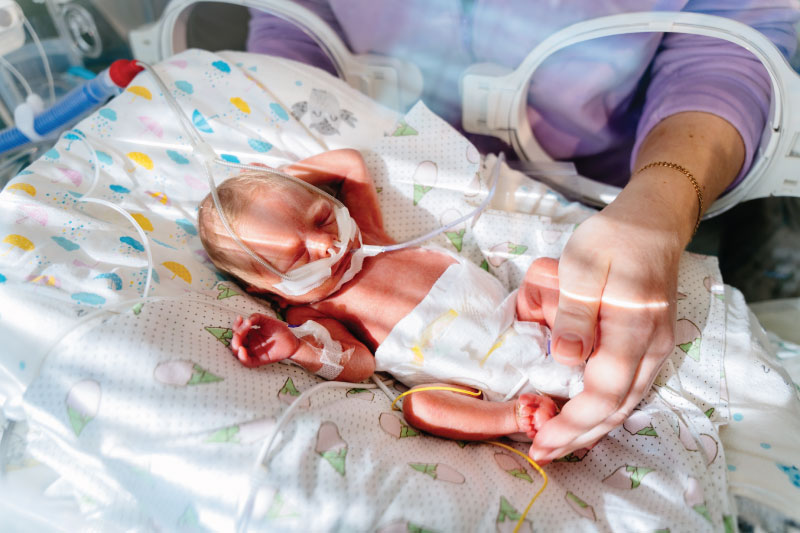
Pandemic Practices and Neonatal Health Issues

A study led by Children’s researchers shows the link between pandemic health behaviors and neonatal health issues.

By Hannah Echols, UAB

Studies show that social distancing and other public health measures during the COVID-19 pandemic effectively reduced the spread of the deadly virus. However, they had unanticipated effects such as reduced health care accessibility and utilization, especially in high-risk populations.

Researchers at Children’s of Alabama and the University of Alabama at Birmingham (UAB) evaluated potential effects of pandemic-related behavior changes on neonatal mortality and preterm birth rates. A correlation was found between the social distancing index, a measure of overall social distancing behaviors observed, and higher rates of neonatal and early neonatal mortality, as well as preterm birth, when assessed with a lag period. Results were published in July in JAMA Network Open.

“COVID-19 affected the health care systems globally, and many lives were lost; it is important to learn from this experience to prepare better for possible future health crises,” said Vivek Shukla, M.D., assistant professor in the UAB Division of Neonatology and lead author of the study. “We need to understand how changes in health behavior affected outcomes, whether people had limited access to care or healthy habits were altered.”

Maternal pregnancy complications increase the risk of preterm delivery and neonatal morbidity. These complications are a major contributor toward neonatal mortality. During the COVID-19 pandemic, pregnant women encountered substantial obstacles in accessing health care. 

According to the American Medical Association, 81 percent of physicians were providing fewer in-person visits when surveyed in July and August of 2020 than pre-pandemic and the average in-person visits fell from 95 to 57 per week.

“The observed correlations may be due to changes in health care access during periods of increased social distancing, such as fewer prenatal visits,” said Rachel Sinkey, M.D., associate professor in the UAB Division of Maternal-Fetal Medicine and co-author of the study. “These appointments are important to catch and address complications that could be life-threatening to both mom and baby.”

Defining the trend

The population-based study used data from the Centers for Disease Control and Prevention’s National Center for Health Statistics. The team evaluated neonatal mortality and preterm birth rates from 2016 to 2019 and compared them to 2020 rates. In unadjusted comparison, the rates appeared to be lower. When adjusted for a declining trend observed in the 2016-2019 period using an Auto Regressive Integrated Moving Average model, the rates were not significantly different.

Shukla further analyzed the correlation between the Social Distance Index—which indicated overall population mobility during the pandemic—and neonatal mortality and preterm birth rates in 2020. On a first look, there was no significant correlation; but when a lag period was added, higher SDI was associated with higher neonatal mortality rates with a two-month delay and with higher preterm birth rates with a one-month delay.

“With these in-depth analyses, we could account for the effect of a potential delay, or lag time, receiving access to care could have on the mortality and preterm birth rates,” Shukla said.

“The results indicate a need for more in-depth studies on the unintended effects of pandemic-related health behavior changes,” he added. “Conducting additional studies is an important step for providers and public health experts to better prepare in case there is a next public health crisis.”