Browsing Tag

pediatrics

Neonatology, Pulmonology

Improving lung function for COPD and BPD patients

A study led by Children’s researchers shows that inhalation of live Lactobacilli reduces inflammatory markers in BPD and COPD.

By Jeff Hansen, UAB

In preclinical models, the inhalation of a mixture of living Lactobacilli bacteria attenuated pulmonary inflammation and improved lung function and structure for the chronic lung diseases bronchopulmonary dysplasia (BPD) and chronic obstructive pulmonary disease (COPD).

This study, published in the journal Nature Communications, determined the mechanism of this live biotherapeutic product—a powder mixture of living Lactobacilli bacteria—to reduce neutrophilic inflammation and reduce a broad swath of inflammatory markers in BPD and COPD, says Charitharth Vivek Lal, M.D., a neonatologist at Children’s of Alabama and the University of Alabama at Birmingham (UAB). Lal co-led the research with Amit Gaggar, M.D., Ph.D., a UAB pulmonologist.

Their findings “provide a paradigm for the progression of structural lung disease,” Lal said, because they identify the Lactobacilli as critical to regulating lung protease activity that is linked to the destruction caused by matrikine generation, extracellular matrix turnover and chronic neutrophilic inflammation that damages air sacs in the lungs. 

A possible protective role for Lactobacilli in the lung and the possible use of Lactobacilli to treat chronic lung disease had its foundation in 2016 when Lal and UAB colleagues discovered that the airways of infants with severe bronchopulmonary dysplasia had decreased numbers of Lactobacilli, increased numbers of proteobacteria and increased concentrations of proteobacterial endotoxin. In this latest study, the UAB researchers provided a mechanism of action for the Lactobacilli treatment to decrease downstream disease development and showed safety and effectiveness of the live biotherapeutic treatment in a mouse pup model for BPD and three mouse models of COPD. 

Bronchopulmonary dysplasia develops in some extremely premature infants after damage induced by high oxygen tension or mechanical ventilation needed to keep them alive. COPD occurs in older people, especially smokers, and kills about 130,000 Americans a year and about 3 million more worldwide.

“Inhaled live biotherapeutic products show promise in addressing common pathways of disease progression that in the future can be targeted at a variety of lung diseases,” Lal said. “Preclinical animal data is suggestive, and safety of the potential drug in humans will be tested in a forthcoming clinical trial. Human adult safety data in COPD will help de-risk the pathway to approval for use of the drug in bronchopulmonary disease infants.”

The UAB researchers hypothesized that mouse models of BPD would show heightened levels of acetylated proline-glycine-proline, or Ac-PGP, an extracellular matrix-derived peptide, as had been seen in premature infants with BPD.

This was demonstrated in BPD mouse models, and gain- or loss-of-function studies showed the impact of Ac-PGP. Intranasal instillation of Ac-PGP increased neutrophilic inflammation and lung degradation. When an inhibitor of Ac-PGP was given with the Ac-PGP, markers of neutrophilic inflammation decreased and lung structure improved.

Researchers then showed that a proprietary Lactobacilli blend of L. planatarum, L. acidophilus and L. rhamnosus performed best in synergy to reduce the inflammatory proteinase MMP-9, which helps release the Ac-PGP from extracellular matrix. Furthermore, supernatant from Lactobacilli growth medium also reduced MMP-9 at a similar magnitude as live Lactobacilli bacteria. 

A key finding was that L(+) lactic acid, which is produced in Lactobacilli growth medium supernatant, reduced MMP-9 in vitro, showing an important role for this lactic acid as an anti-inflammatory molecule. Researchers found that live Lactobacilli in the lungs provided an ongoing, sustained release of L(+) lactic acid in a controlled and well-tolerated manner.

A major technological advance reported in the study was creating the inhaled Lactobacilli powder through particle engineering—particles small enough to reach deep into the lungs while preserving viable bacteria. This live biotherapeutic product was then tested in the BPD and COPD models. In the COPD mouse models, the blend successfully reduced inflammation in the lung microenvironment whether treated concurrently or post-injury, showing anti-inflammatory effects, decrease of several pro-inflammatory markers and elevation of the anti-inflammatory marker IgA. 

An interesting finding was the favorable performance of the live biotherapeutic product. It reduced MMP-9 and other pro-inflammatory cytokines as effectively as—or in some cases better than—fluticasone furoate, a United States Food and Drug Administration-approved inhaled corticosteroid found in COPD combination therapies. 

Safety and biodistribution studies in one of the COPD mouse models showed that inhalation of the bacterial powder did not initiate adverse reactions or disease, and the Lactobacilli did not translocate to distal tissues or accumulate in the lungs.

Cardiology

Flow restrictors offer hope for high-risk newborns

Flow restrictors, like the one pictured, are showing promise for helping patients with hypoplastic left heart syndrome.

Babies born with hypoplastic left heart syndrome, in which the left side of the heart doesn’t fully develop and thus can’t pump blood very well, typically require open-heart surgery soon after birth or a hybrid surgical approach combining stenting and open surgery to establish systemic blood flow and control pulmonary blood flow. Given the already fragile state of the infant, however, neither approach is optimal, and both have high mortality rates.

Doctors at Children’s of Alabama are helping these children by using an internal pulmonary flow restrictor created by modifying a microvascular plug. They form the device by cutting a tiny hole in the Gore-Tex covering of the microvascular plug originally designed to close blood vessels in children and adults. With this use of this device, they are able to postpone surgery for months until the infant is bigger and stronger while still controlling pulmonary blood flow in a completely non-invasive manner.

“The problem we’re addressing is over-circulation of blood to the lungs,” explained pediatric cardiologist Mark Law, M.D. “Traditionally, it requires open-heart surgery to place a band around the pulmonary artery to reduce blood flow. However, this surgery is invasive and can be very stressful for the baby.”

Now, Law and his team are able to treat the infant in the cath lab rather than an operating room. There, they thread the plug through the femoral or internal jugular vein into the pulmonary artery to partially restrict excessive blood flow to the lungs. “It’s a far less invasive procedure and the recovery is faster,” he said. It also allows the surgeons to operate without scar tissue from a previous surgical procedure.

This procedure enables babies who are too fragile for surgery to safely grow stronger before undergoing their first operation. In one study, 10 out of 13 infants treated with this technique survived to their next surgery, typically performed within two to six months of the catheter procedure. When compared to historical data from similar high-risk patients who underwent traditional procedures, the new technique was associated with significantly better six-month survival rates after adjusting for other risk factors.[1]

Importantly, the baby’s pulmonary arteries grow over that time, which is crucial for their long-term outcomes. In addition, the devices can be easily removed during subsequent surgical procedures.

Law and his team have presented a series of five cases in which they used the technique on babies who were too medically fragile for surgery. All survived and all were later able to undergo the needed open surgery. “We’re confident some of these babies wouldn’t have made it otherwise,” he said. “But because they’re older, bigger, stronger, and breathing on their own,” the procedure was much less risky.

Still, challenges remain. The device must be customized for each patient, and its small size limits its use to very young infants.

Nonetheless, pediatric cardiologists across the country are adopting the procedure, Law said. “We’re all learning from each other and sharing data to refine the technique.”

“This technique represents a shift in how we think about treating congenital heart defects,” Law said. “The ability to delay surgery and avoid scar tissue is a game changer.”


[1] Sperotto F, et al. Circ Cardiovasc Interv. 2023;16:e013383. DOI: 10.1161/CIRCINTERVENTIONS.123.013383

Endocrinology

Connection between weight and type 2 diabetes

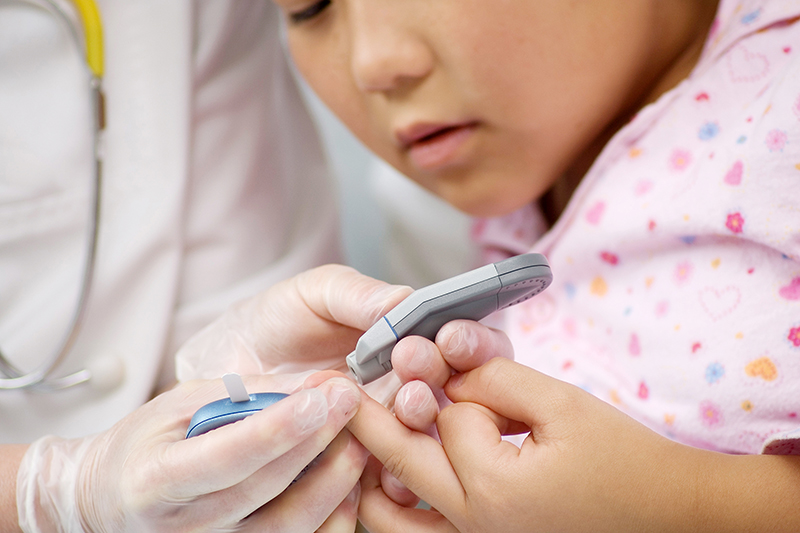
Children’s of Alabama is one of 15 institutions across the U.S. involved in the DISCOVERY study. (Stock photo)

It’s a troubling trend: Type 2 diabetes diagnoses have rapidly increased in children and teens, especially during the COVID pandemic. Now, University of Alabama at Birmingham (UAB) and Children’s of Alabama investigators are joining others from 15 prominent institutions across the United States to reveal the factors leading to this phenomenon, which poses massive public health implications worldwide.

The DISCOVERY study aims to determine why some children who are overweight or obese develop type 2 diabetes while others do not. Children with diabetes tend to have a more rapid progression than adults to other serious health conditions and complications such as high blood pressure, kidney disease and retinopathy, experts say. So it’s crucial to fully understand the contributing factors in order to more precisely predict which children are at the highest risk—and potentially prevent them from developing the condition.

“Very few longitudinal studies have been done to determine which of these kids converts to type 2 diabetes,” said DISCOVERY co-investigator Barbara Gower, Ph.D., who’s also a professor and chair of the Department of Nutrition Sciences at UAB. “This study is designed to recruit at-risk children and see who actually converts to type 2 diabetes, looking at a broad suite of factors—everything from social risk factors to biological factors.”

Ambika Ashraf, M.D., study co-investigator and director of the Division of Pediatric Endocrinology at Children’s, agrees. “Even though we understand that high BMI predisposes someone to type 2 diabetes, what is really unclear is what prompts a child who has all these risk factors to convert,” she said.

The issue is particularly relevant to Alabama, which is one of 15 states considered to be in the “Diabetes Belt” because the incidence of type 2 diabetes is about one-third higher than the national average. Children’s cares for more than 80% of the state’s pediatric type 2 diabetes patients, with nearly 650 such children referred for evaluation for new-onset cases between March 2017 and March 2021. Additionally, hospital admissions for new-onset pediatric type 2 diabetes cases in Alabama more than doubled over a two-year span that led up to the early stages of the pandemic.

Over the next two years, DISCOVERY will enroll approximately 3,600 children and teens ages 9-14, all with a BMI at or above the 85th percentile and HbA1c levels of 5.5% or higher. Children will be tracked for between two-and-a-half and four years, completing comprehensive annual visits, including a three-hour oral glucose tolerance test and detailed physiological assessments. They will also undergo a brief visit every six months, along with telephone checks every three months to monitor for type 2 diabetes.

The study’s size is a huge strength, says Gower, also a senior scientist at UAB’s Diabetes Research Center. “Because the actual conversion rate to type 2 diabetes is still quite low, we need a lot of sites and participants in order to have enough children to analyze,” she explained.  

Ideally, Ashraf and Gower say, the DISCOVERY trial will produce new insights that help clinicians pinpoint exactly which children with high BMIs are most vulnerable to developing diabetes and stop the process.

“If we can determine the risk factors that predispose certain individuals to develop type 2 diabetes, that could have a huge impact,” said Ashraf, also a professor of pediatric endocrinology and associate director of the Comprehensive Diabetes Center at UAB. “It may have a global impact, too, because type 2 diabetes is going to cause a huge economic impact throughout the world.”

Cardiology

Exercise Testing for Fontan Patients

Cardiologists at Children’s of Alabama are using exercise training to measure Fontan patients’ health.

Children born with single-ventricle heart disease undergo multiple surgeries before age 6, ending with the Fontan procedure, which redirects blood from the inferior and superior vena cava to the pulmonary arteries. This allows blood returning from the body to skip the overworked single ventricle and instead flow directly to the lungs to receive oxygen. While the surgeries have improved survival for these patients, long-term outcomes are still poor. Now, clinicians at Children’s of Alabama are honing in on exercise as an important way to track and improve their quality of life.

“The Fontan operation is one of the most complicated congenital heart procedures we do,” pediatric cardiologist Camden Hebson, M.D., said. “Even with the best outcomes, there’s a shortened lifespan. Many patients start to have major complications by the time they’re in their 20s and 30s, such that it’s pretty unusual for patients to be still living, especially symptom free, in their 50s.”

Camden Hebson, M.D.

The fundamental challenge lies in the procedure’s physiology. In normal hearts, the right side actively pumps blood to the lungs. Because the Fontan operation eliminates this pump, it creates a passive flow system that, while life-sustaining, leads to increased venous pressure throughout the body, particularly in the abdomen and legs.

“The pie in the sky for these patients is getting some sort of pump into them to better push the blood to the lungs,” Hebson said. “There’s all sorts of ideas out there of how to do that, like mechanical implantations and valves. But human beings have our own intrinsic pump that we can maximize: the skeletal muscle pump in our legs, which push venous blood out of the legs back up toward the lungs.”

People who don’t exercise a lot have weak skeletal muscle pumps, he said, which increases the blood pooling and pressure on vital organs, resulting in complications and early mortality. “People who have the strongest legs, the most physically fit legs, the best muscle tone are going to actuate their skeletal muscle pump as much as possible,” he said.

Yet, families and medical teams have traditionally taken a protective approach with these children and limited physical activity, Hebson said. “In some ways, that’s actually a negative, because then these kids are less active than the other kids their age,” he explained. “They exercise less, and then it actually makes the problems of the physiology more likely to occur in their 20s and 30s.”

The link between exercise and better outcomes comes from studies on long-lived Fontan patients called “Super-Fontans.” While the exact reasons for their success aren’t fully understood, physical fitness appears to play a crucial role.

To better understand the effects of exercise on the cardiovascular system of Fontan patients, Hebson and his team use metabolic exercise testing to track heart rate and blood flow during physical activity. This not only helps identify potential treatment targets and provide reassurance about exercise safety, but serves as an early warning sign for complications. For instance, it can reveal issues that aren’t usually apparent at rest, such as the need for stenting the Fontan conduit based on limitations shown in exercise capacity.

“Sometimes, you just need to take the car out on the road and see how it drives,” he said, comparing traditional resting assessments to testing patients during exercise. “For most patients, in particular Fontan patients, your cardiovascular system is what limits your ability to exercise. So how much exercise you can do at any given time is really just feedback on how well the heart works.”

“So we need to encourage our patients to be ahead of the curve on how much exercise they do to keep their legs strong,” Hebson continued. “Not only are they getting the benefits that everybody gets from exercise, they are actually improving the venous return to their heart and their cardiac output as a result.”

“Anything that can be done to improve these patient’s lives and long-term outcomes would be a big deal,” he added.

Hematology and Oncology

Building a national leader in clinical trials

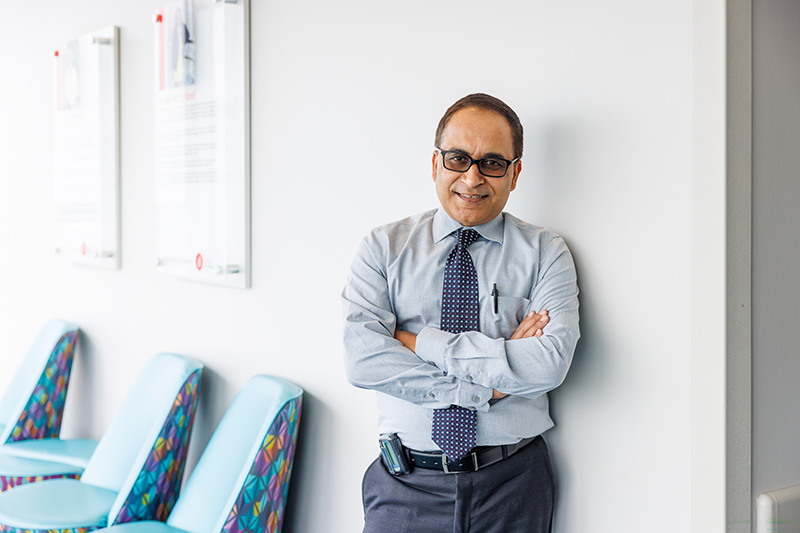
Since joining Children’s in 2019, Girish Dhall, M.D., has helped the hospital become a national leader for clinical trials.

When Girish Dhall, M.D., arrived at Children’s of Alabama in 2019, he inherited a division with a plethora of strengths: great facilities, compassionate physicians and a robust clinical trials program. He knew he was somewhere special. Still, he knew it could be better—a national destination center for research and clinical trials. That became his vision. As he began his new role as director of the Division of Hematology, Oncology, and the Blood and Marrow Transplantation Program, he immediately started work on one of his first objectives—expanding the clinical trials program.

Prior to Dhall’s arrival, the hospital offered many clinical trials through the Children’s Oncology Group—the largest consortium in the U.S.—for children who were newly diagnosed with cancer. For patients who had relapsed or had experienced progression of their disease, however, the options were limited. Dhall knew the hospital would need to join more consortia—groups of hospitals that collaborate to offer large-scale clinical trials that might be impossible for a single institution. For Children’s, joining more consortia would give patients access to a wider array of clinical trials.

Dhall and his team of experts began applying for membership in various consortia. Five years later, Children’s has more than doubled the number in which it is enrolled. “What that did,” Dhall said, “is gave us access, suddenly, to a large number of clinical trials for this group of patients that we didn’t have great options for.”

The benefits for Alabama and beyond

For children in Alabama with cancer, the new clinical trials are game-changing. Previously, patients may have had to travel out of state or even to another part of the country to access the trials they needed. “And that was only accessible for some families who have the resources to do it,” Dhall said. “For a large number of our patients, that was not possible.”

Now, those children have access to the same clinical trials without having to leave the state. That’s big even beyond Alabama. Dhall says patients come from Mississippi, Louisiana, North Florida and other parts of the Gulf Coast region for the trials. The hospital even gets referrals from other countries. “The impact of having access to these clinical trials is great for this region,” he said. “It’s a good challenge to have to accommodate all those patients and provide access. So I think it’s been great not just locally, but regionally as well.”

Jaxan’s story

For Jaxan Jernigan and his family, the new trials are already paying off. When he was 6 years old, he began experiencing headaches and seizures. At the local hospital in Pensacola, Florida, doctors discovered a large brain tumor. After a 14-hour surgery, they determined it was a high-grade aggressive tumor called a CNS embryonal tumor.

At Children’s, Dhall was leading the Head Start 4 clinical trial—one of the new trials added through his expansion efforts. Jaxan’s parents agreed to have him receive therapy on this trial, and he went through several rounds of intensive chemotherapy and three stem cell transplants followed by 30 days of brain and spinal irradiation. Nearly eight months later, Jaxan was considered to be in remission. Today, he’s back to an active life. “We owe so much of that to Dr. Dhall and the entire staff at Children’s,” Jaxan’s dad, Craig, said. “It was obvious that everyone at Children’s genuinely cares, and that’s truly inspiring.”

Head Start trial

The Head Start trial is just one example of the opportunities Dhall brought. It opened in 1990 and is currently in its fourth iteration, now involving more than 60 institutions across the U.S., Canada, Australia, New Zealand and Europe. Dhall is a national co-chair of the study.

“The idea behind Head Start is to give high-dose or intensive chemotherapy up front so that we can either avoid whole-brain irradiation completely for these infants and young children or be able to give really reduced dose and volume of irradiation,” Dhall said, “and keeping in mind that we want to maintain the survival that we see with irradiation, but with much less long-term side effects.”

Just in the last couple of years, researchers involved in Head Start have seen big results. At an international conference in Philadelphia in 2024, Dhall reported on a group of patients with SHH-activated medulloblastoma, a highly malignant brain tumor. Using the Head Start treatment strategy, doctors were able to cure more than 95% of the patients without using radiation therapy to the brain, Dhall said. “So that actually moves the field significantly forward,” he added.

Other trials

Treating brain tumors is just one of the program’s focal points. The hospital also has teams that specialize in blood disorders, leukemia and lymphoma, solid tumors such as kidney and liver cancer and more.

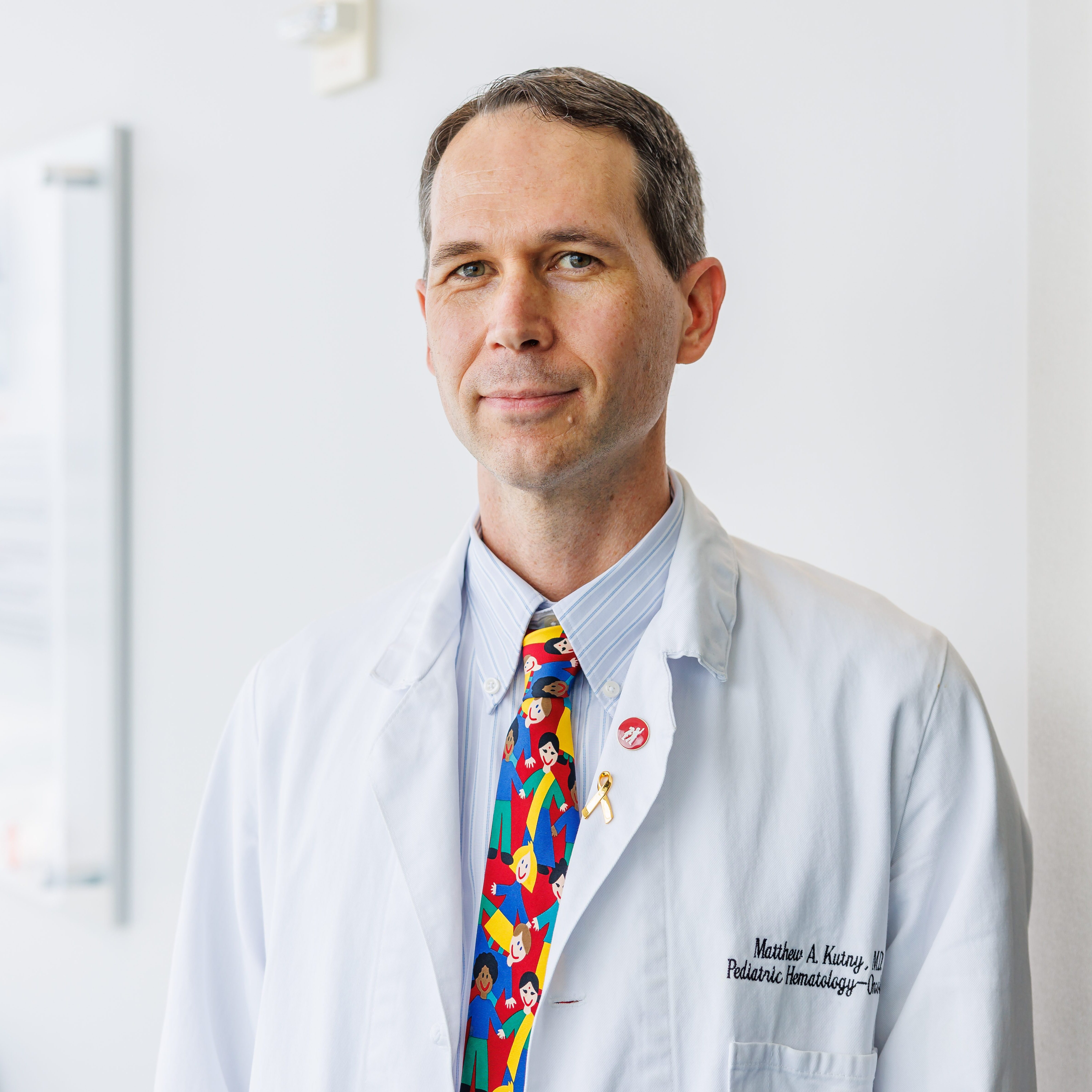
Matthew Kutny, M.D.

“So you can imagine the breadth of the trials that are involved,” said Matthew Kutny, M.D., director of the Children’s Pediatric Clinical Trials Office—a role Dhall held until he turned it over to Kutny in 2022. Since then, Kutny has continued to build the program and seen a lot of exciting developments, including the move toward targeted therapy and immunotherapy. These can allow patients, when possible, to avoid chemotherapy, which can damage healthy cells in the process of killing cancer cells. Targeted therapies zero in on the changes that occurred in the cells to make them cancerous. Kutny says these treatments have been successful against leukemia and solid tumors. Immunotherapy, on the other hand, engages a child’s immune system to fight off cancer as if it were an infection. “There are several exciting immunotherapy research projects that we’ve been able to participate in and lead here in Alabama,” Kutny said.

Children’s also performs bone marrow and stem cell transplants, which have proven life-saving for many patients. The stem cell transplant team offers CAR T-cell therapy, in which a patient’s own immune cells are taken into a lab and programmed to fight their cancer.

“We’ve been able to offer that to some of the children of Alabama here who otherwise would have had to go through those very intensive treatments with chemotherapy and stem cell transplant,” Kutny said. “And they’ve been able to respond to these new cellular therapies, and it’s really amazing to see how well they tolerate the treatments, and it’s been a great success in our era of oncology.”

A promising future

Because of the efforts of Dhall and Kutny, Children’s now has one of the nation’s largest clinical trial programs in pediatric oncology and hematology. “I’ve been really blessed to be a part of this team that has seen extreme growth over the last five years,” Kutny said.

More growth may be coming. Kutny says the team is actively expanding the number of consortia and partnerships with other hospitals. With cellular therapy and immunotherapy, they’re already offering an array of complicated, leading-edge trials. “We can offer, across a wide spectrum, the best clinical trials that are out there right here for patients in Alabama regardless of the type of disease that the patient is facing in oncology or hematology,” he said. “And that’s been great for the families of these patients to know that they come to Children’s of Alabama and they’re receiving the very best care that can be offered.”

In the process, they’re contributing to research that can help develop more advanced treatments. “We are making an impact, not just locally, but nationally and globally,” Dhall added.

Just the way he envisioned it when he first arrived.

Upcoming Events

Visit the Children’s of Alabama team at the 2026 PAS meeting

Children’s of Alabama will be at the annual Pediatric Academic Societies (PAS) Meeting 2026 at the Thomas M. Menino Convention and Exhibition Center in Boston April 24-27. If you’re planning to attend, don’t forget to stop by our booth. We’ll be in booth #1122.

Please also make plans to join us at the annual Friends and Alumni Reception:
Saturday, April 25, 2026
6:30 p.m. – 8:00 p.m. ET
The Westin Boston Seaport District: Paine (Lobby Level)

About the PAS Meeting

The PAS Meeting connects thousands of leading pediatric researchers, clinicians and medical educators worldwide each year with a goal of coming together to advance scientific discovery and promote innovation in child and adolescent health.

About Children’s of Alabama

Since 1911, Children’s of Alabama has provided specialized medical care for ill and injured children, offering inpatient, outpatient and primary care throughout Central Alabama. Ranked among the best children’s hospitals in the nation by U.S. News & World Report, Children’s serves patients from every county in Alabama and nearly every state. Children’s is a private, not-for-profit medical center that serves as the teaching hospital for the University of Alabama at Birmingham (UAB) pediatric medicine, surgery, psychiatry, research and residency programs. The medical staff consists of UAB faculty and Children’s full-time physicians, as well as private practicing community physicians.

Endocrinology

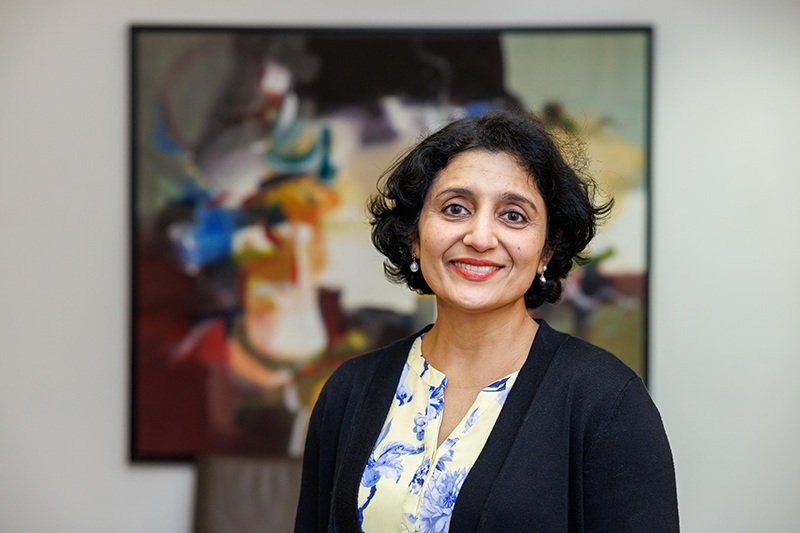
Ashraf’s study shows characteristics of hybrid diabetes

A study led by Ambika Ashraf, M.D., shows the unique challenges that patients with hybrid diabetes face.

A study led by Children’s of Alabama endocrinologist Ambika Ashraf, M.D., highlights the unique characteristics of hybrid diabetes (HD) or double diabetes, distinguishing it from both type 1 and type 2 diabetes. It is pivotal in understanding the different trajectories of diabetes in children and may pave the way for more targeted treatment strategies.

The study, titled “Children and Adolescents With Hybrid Diabetes: A Management Conundrum” is a retrospective analysis from 2016 to 2020, examining 102 subjects with type 1 diabetes (T1DM), hybrid diabetes (HD), and type 2 diabetes (T2DM). It was published in the journal Endocrine Practice.

Key findings of the study indicate that children with HD show a blend of autoimmune diabetes autoantibody positivity (a hallmark in T1DM) and insulin resistance (a hallmark of T2DM), creating a complex treatment and management scenario.

Researchers found that patients with HD were still insulin dependent at a two-year follow-up, like patients with T1DM. Patients with HD also had a strong positive family history of T2DM and preserved endogenous c-peptide production, like patients with T2DM.

“Our study findings underscore the need for healthcare providers to be vigilant in diagnosing and managing this distinct form of diabetes, which poses unique challenges due to its hybrid nature,” said Ashraf, who’s the director of the Division of Pediatric Endocrinology and  Diabetes at the University of Alabama at Birmingham (UAB). “The study calls for further research to develop precision treatment strategies for pediatric patients with hybrid diabetes. Our team of researchers wants to encourage more research specifically on using insulin sensitizers and incretin based therapies.”

Other study authors included first author Charles A. Gagnon BS, UAB Heersink School of Medicine medical student, and Jessica Schmitt M.D., assistant professor in the Division of Pediatric Endocrinology and Diabetes.

Pulmonology

Addressing the increase in pediatric sleep disorders

The Children’s of Alabama Sleep Disorders Center is taking a multifaceted approach to pediatric sleep disorders. (Stock photo)

Pediatric sleep disorders affect 25-40% of children and adolescents in the U.S. However, the incidence is increasing, said Brad Troxler, M.D., who directs the Children’s of Alabama Sleep Disorders Center. The reasons for the increase are multi-factorial, Troxler said, but the problems are exacerbated by expanding screen time, which affects the quality of sleep; childhood obesity, which increases the risk of obstructive sleep apnea and other sleep disorders; and the after-effects of the pandemic, when sleep schedules were disrupted. Troxler and his team are addressing the increase through innovation, research and training.

About the center

The Children’s Sleep Disorders Center is the only multidisciplinary pediatric sleep disorders program in Alabama and one of just a handful of in the country. It features a 12-bed unit, in which the team performs about 2,000 overnight sleep studies and up to 100 daytime studies each year. Most patients are seen for insomnia, daytime sleepiness and snoring, as well as chronic conditions like sleep apnea, narcolepsy, idiopathic hypersomnia and periodic limb movement disorders.

Troxler

The pediatric sleep program differs significantly from adult programs in its approach, Troxler said. “Certainly, a pediatric sleep program is going to be much more patient and family centered and more holistic than what you might see in an adult sleep center,” he added. In addition, it requires more technicians and nurses—usually one for every two patients—to make children, especially those with autism or other developmental disabilities, feel comfortable with the electrodes and other equipment required for a sleep study.

“Pediatric patients require lengthier visits,” sleep specialist Mohini Gunnett, M.D., said. “And there’s definitely a need for more specialized protocols for the complex scenarios children can present with.” The team also manages many comorbidities associated with sleep disorders, particularly pulmonary conditions.

Innovation

“We are always trying to create and improve on innovative models of care,” said Gunnett, who’s also an assistant professor in the Division of Pulmonary and Sleep Medicine. For instance, she recently worked with pediatric otolaryngologist Philip Rosen, M.D., to implant the first pediatric patient with an upper airway stimulation device to assist with management of sleep apnea.

Gunnett

This nerve stimulator device, which is currently approved for patients with Down syndrome, works by producing gentle pulses to the nerve that controls airway muscles and tongue movement, helping keep the airway open and the tongue protruded forward so breathing is more comfortable during sleep.

“We are excited to see how this intervention can help manage sleep apnea in a population that often struggles to achieve control of their sleep apnea with conventional positive airway pressure therapy alone,” Gunnett said.

Research

Research is also becoming more of a focus in the program. Anis Nourani, M.D., an assistant professor in the Division of Pediatric Pulmonary and Sleep Medicine, is creating a database that can be used for research and quality improvement projects, and the team recently received multiple grants to study behavioral modifications for certain sleep disorders. Several other grants are pending. “The research component is growing and adding to the fun of the job,” Gunnett said. “Hopefully, it will lead to even better patient care improvement and growth in our group.”

Training

Nourani also serves as the director of the Sleep Medicine Fellowship Program, which is one of the few programs of its kind in the country, training a pediatric and an adult specialist each year. Nourani says the fellowship is crucial given a significant shortage of pediatric sleep specialists nationwide. Currently, there are only about 420 pediatric board-certified sleep medicine specialists in the U.S., or just 0.51 sleep physicians for every 100,000 children.

Nourani

To address this gap, the team at Children’s is working to incorporate more sleep education into the curriculum for medical students and residents, hoping to spark interest in the field and encourage more trainees to pursue sleep medicine fellowships. Students are also now rotating through the center. And, as more research emerges about the complex relationship between sleep and health, more practitioners are becoming interested in the field, Nourani said, including those from primary care, pulmonary medicine, neurology and anesthesiology.

The basics

Despite new technology and innovative treatments for sleep disorders, the basics for getting a good night’s sleep remain the same: “Creating a consistent bedtime routine that limits screen time and does not vary widely from day to day,” Troxler said.

Neurology & Neurosurgery

Procedure and device offer new options for epilepsy patients

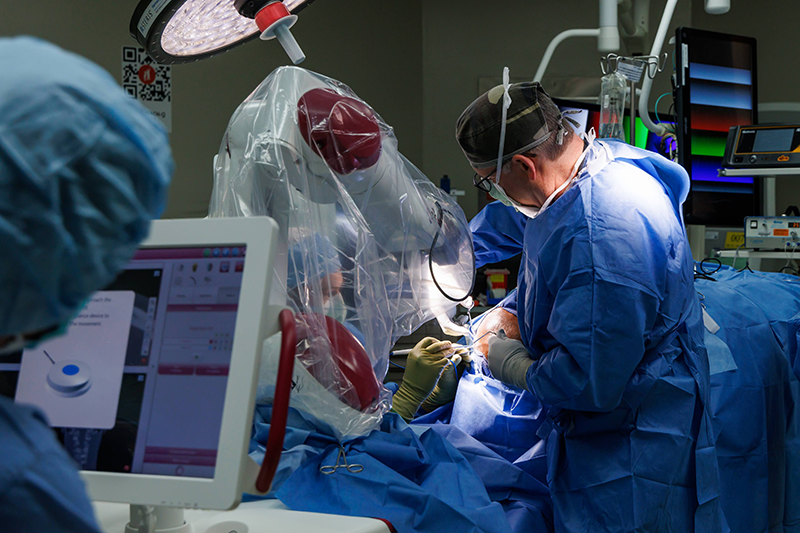
Curtis Rozzelle, M.D., performing a deep brain stimulation procedure for epilepsy.

In January 2024, a University of Alabama at Birmingham (UAB) pediatric neurosurgeon performed the first deep brain stimulation (DBS) procedure for epilepsy at Children’s of Alabama, offering a new treatment option for pediatric patients who experience drug-resistant seizures.

During the procedure, Curtis J. Rozzelle, M.D., a professor in the UAB Department of Neurosurgery, also implanted the first NeuroPace responsive neurostimulation (RNS) epilepsy treatment device at Children’s.

The NeuroPace RNS ® System, which consists of a small generator attached by leads to electrodes, was designed to communicate with a computer to record brain activity, recognize seizure-related patterns and deliver stimulation to suppress seizures. The device, which is curved for better placement within the skull, monitors brainwaves constantly and can be customized on a patient-by-patient basis.

“Much like a cardiac pacemaker that senses and responds to abnormal heart rhythms, this combination of technologies will detect brain activity that precedes seizures, then stimulate pathways deep in the brain to either prevent seizures from starting or stop seizure activity in its tracks,” Rozzelle said.

When performing a DBS procedure, a neurosurgeon inserts electrodes connected to a neurostimulator into the brain to disrupt epileptic electrical activity before it can cause a seizure. Similar to the RNS System, the DBS neuromodulation device can be programmed after placement in an outpatient clinic by an epilepsy specialist, like UAB Department of Pediatrics Division of Neurology professor Monisha Goyal, M.D.

In this case, Rozzelle placed the RNS® System electrodes in the thalamus, resulting in a twofold RNS and DBS procedure. 

Neurostimulators have long been used to treat various neurological disorders when traditional treatment options fail. DBS was originally developed in 1997 to treat Parkinson’s disease and has since expanded as a treatment option for epilepsy, dystonia and more. RNS gained initial FDA approval in 2013 and has proved to be effective in many patients. Presently, RNS is FDA-approved only for adults, but is successfully being used off label in the pediatric population.

Though DBS and RNS are not viable options for all patients, they show tremendous potential in treating children with epilepsy who need more innovative treatment options. “With this first RNS implantation [at Children’s of Alabama], we have expanded the armamentarium of therapies available to individuals with poorly controlled epilepsy,” Goyal said. “Unfortunately, neuromodulation with RNS is only [FDA-approved] for individuals who are at least 18 years old. The pediatric epilepsy team at Children’s of Alabama hopes that this therapy will be available to more children of Alabama soon.”

Cardiology

Saving lives in Latin America

Each year, a team from Children’s of Alabama travels to Peru to provide cardiovascular surgeries through Heart Care International.

For Children’s of Alabama cardiac pediatric intensivist Santiago Borasino, M.D., traveling to Peru each year as part of a team providing cardiovascular surgeries to children offers him a special way to give back to his home country.

The trips are sponsored by Heart Care International, a nonprofit organization committed to saving the lives of children born with congenital heart defects. Volunteer medical teams come from cardiac centers throughout the United States, including Children’s of Alabama, to provide care throughout Latin America.

Borasino’s first trips were to Chiapas, Mexico, but since he learned about the organization’s work in Peru, he has focused his efforts there.

Santiago Borasino, M.D.

“I get to give back to my country,” he said. “There’s always a lot of guilt for leaving. And so I get to go there, help with surgeries and give back to the country some—a little bit. This teeny tiny bit probably doesn’t repay everything that the country has done for me, but it’s a little bit. It’s very special to me.”

The team—which most recently included Children’s cardiothoracic surgeon Robert Sorabella, M.D.; pediatric cardiac anesthesiologists Jack Crawford, M.D., Ph.D., and Patrick Hussey, M.D.;  and Stephanie McBride, RNFA—works with doctors at the Instituto Nacional de Salud del Niño (INSN) San Borja in Lima, where Borasino was raised and attended medical school.

The local doctors coordinate with the visiting clinicians to choose the cases. “We can’t do cases that are too complex because we don’t have ECMO,” Borasino said. ECMO, or extracorporeal membrane oxygenation, is a life-support machine that can temporarily replace the heart and lungs. They also want the child to be able to recover before the team leaves, so they have to choose wisely, he added.

The visiting team works closely with their Peruvian counterparts. The American and Peruvian surgeons, anesthesiologists and nurses team up for surgeries, while Borasino partners with his Peruvian counterpart to manage the post-operative care side in the ICU. They generally perform about 15 surgeries a day.

Over his six trips to Peru, Borasino has witnessed significant growth in the skills and knowledge of the local medical professionals, most of whom were just starting to practice when he met them. “They’ve grown just like any doctor in the United States grows from being a young doctor who hasn’t done this too much to somebody who’s done it quite a lot.”

“The ultimate goal is that they will be independent,” he said. “They’re never going to be like Americans because of the resources. But, in theory, they could get close, at least for the moderate or low cases, a little complex but not too complex.”

Without these volunteer trips, the outlook for many of the young heart patients is grim. “Some of them will be lucky enough to get surgery within the system,” Borasino said. “And some of them will die. Not immediately, but eventually. Like in a few years without surgery, you end up dying. All these congenital heart diseases eventually kill you, either in weeks, months or years.”

However, the team’s work can be life-changing for the patients they’re able to help.

“The families are so thankful,” Borasino added. “Some come back every year when they know we’re there just to say hi, to bring their kids and tell us, ‘You saved our kid’s life.'” “It’s an opportunity to see more than just cardiac medicine,” he added. “And just to help.”